The core principle: drying preserves, it doesn't sterilize
Freeze drying is a preservation process: under deep vacuum, ice sublimates directly to vapor, removing the water that microorganisms need to grow. What it is not is a kill step. Freezing and drying can leave some microorganisms dormant but viable — they simply cannot multiply while water activity stays low.
This distinction shapes everything else. A safe freeze-dried product is not made safe by the dryer alone; it is made safe by a chain of controls, each one removing or suppressing a hazard the others cannot. The five links: raw material hygiene, pre-treatment, validated drying, barrier packaging, and clean post-drying handling. Weakest link decides.
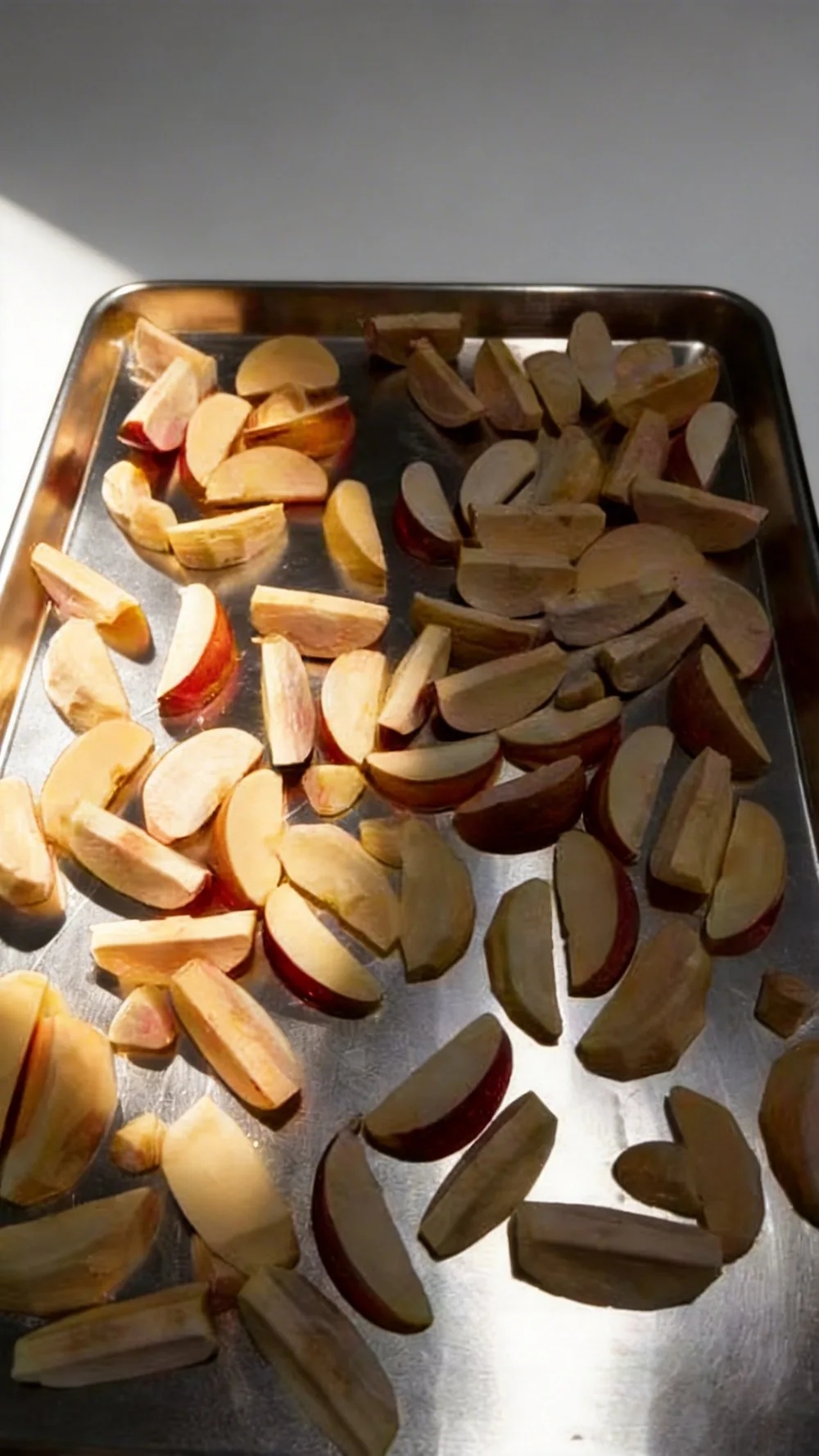
Raw material selection and receiving
Safety starts before the product reaches the dryer:
- Source from known suppliers. Know where the raw material comes from and how it was handled — field hygiene, transport temperature, and time since harvest all carry into your process.
- Inspect on receipt. Reject visibly spoiled, damaged, or contaminated lots. Freeze drying concentrates whatever is in the raw material — it never improves it.
- Control the cold chain. Perishable raw material (meat, seafood, dairy) must stay chilled or frozen from receipt to loading. Every hour at ambient temperature before drying is an hour of microbial growth the process cannot undo.
- Separate allergens. If the line handles allergen-containing products (milk, soy, nuts, seafood), plan cleaning and sequencing so cross-contact is controlled — dried powders and crumbs travel easily.
Washing, blanching, and pre-treatment
Pre-treatment does double duty: it sets product quality and it reduces the microbial load going into the dryer.
- Washing. All fruits and vegetables should be washed in clean, potable water to remove soil and surface contamination. Change wash water on schedule — a dirty wash bath contaminates everything it touches.
- Blanching. For most vegetables, a validated blanch reduces microbial load and inactivates enzymes that cause off-colors and flavors during storage. Time and temperature should be set per product, not by habit.
- Slicing and handling. Cut with clean equipment on clean surfaces; minimize the time cut product sits at room temperature before it goes onto trays and into the freezer or dryer.
- Meat and seafood. Raw animal products carry the highest inherent risk. Hygienic sourcing, strict temperature control, and validated drying to low moisture are non-negotiable — and the finished product must be handled as the ready-to-eat food it often becomes.
Validated drying: moisture targets that matter
The dryer's contribution to safety is removing water to a level where microorganisms cannot grow. Two practices make that reliable:
- Validate the final moisture for each product. "Dry until it looks done" is not a control. Set a target final moisture (and, where your quality system uses it, a water-activity target) per product, and verify it on a defined sampling plan. Different products — fruit slices, meat cubes, tremella — need different targets.
- Confirm the cycle actually reached it. Shelf temperature profiles, vacuum curves, and batch records show whether the recipe ran as validated. A cycle cut short by a vacuum fault or an overloaded tray leaves wet pockets — and wet pockets are where the safety margin disappears.
Equipment matters here too: a dryer that holds −60 °C refrigeration, stable vacuum, and ±0.1 °C shelf control produces repeatable cycles — and repeatable cycles are what validation is built on. Specifications are for reference only and are subject to the final supplied equipment.
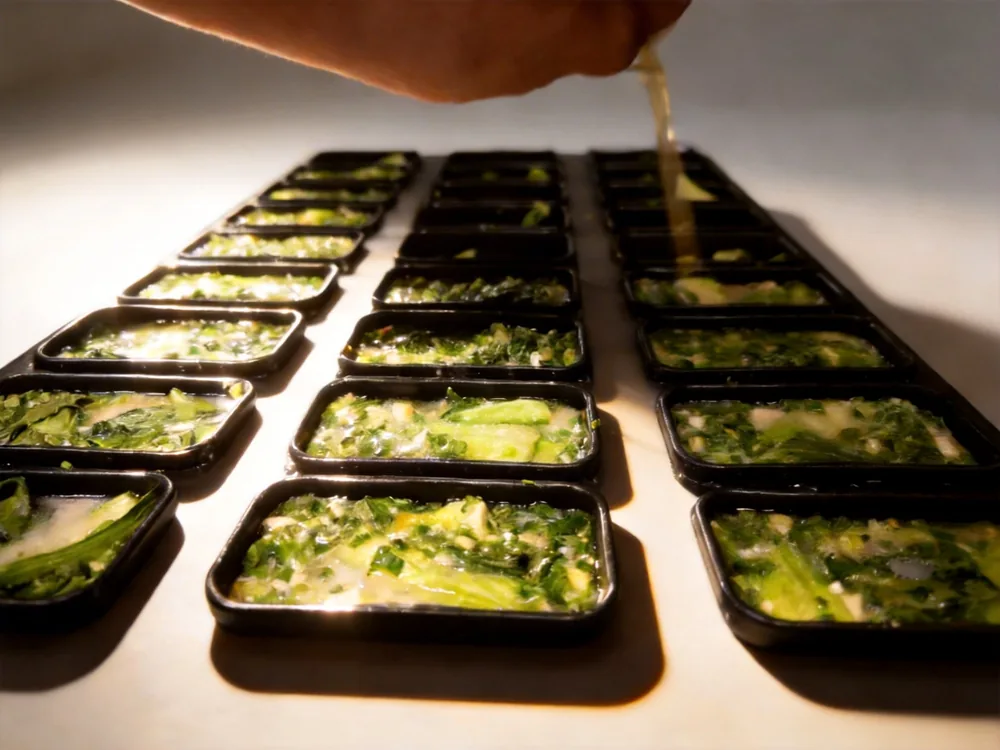
Packaging: the barrier that locks safety in
Drying creates the safety margin; packaging keeps it. Fully dried product is hygroscopic — it pulls moisture from the air within minutes to hours, and every point of moisture regain erodes both safety and shelf life.
- Pack immediately after discharge. Move product from the dryer to packaging in a dry, clean environment with minimal delay. In humid climates, the packing room itself may need dehumidification.
- Use real barrier materials. Moisture-proof barrier films or pouches — not plain polyethylene bags — plus oxygen control (nitrogen flushing or oxygen absorbers) where the product needs it. The package is a functional part of the preservation system.
- Seal integrity. A barrier film with a bad seal is no barrier. Check seal strength and integrity on a defined frequency, and treat seal failures as a quality hold, not a rework-and-ship.
- Label honestly. Storage instructions, best-before guidance based on your own stability data, and allergen declarations belong on the pack — never promise a shelf life you haven't validated.
Facility hygiene and zone separation
- Separate dirty and clean zones. Raw receiving and washing stay apart from drying, packing, and finished-goods storage. The classic flow — receive → wash/prep → dry → pack → store — runs one direction with no backtracking.
- Clean the dry side to food standard. Trays, packing tables, and contact surfaces are cleaned and sanitized on schedule; the packing room deserves the same hygiene discipline as any ready-to-eat food area.
- Control people and pests. Handwashing, protective clothing, and hair covering in packing areas; pest control across the facility. Dried product is concentrated food — it attracts pests faster than fresh.
- Water and air. Potable water for all washing and blanching; clean, dry air in packing areas. Compressed air contacting product or packaging should be filtered and dry.
Rehydration and consumer use
Many freeze-dried products are rehydrated before eating — and rehydration restores the conditions for microbial growth. Two implications for producers:
- Products intended to be eaten after rehydration (instant meals, soup mixes) should carry clear preparation instructions — water temperature, standing time, and "consume promptly" guidance.
- Your own QC rehydration tests double as a quality window: clean color, clean aroma, and clean texture on rehydration confirm the drying and handling chain held up.
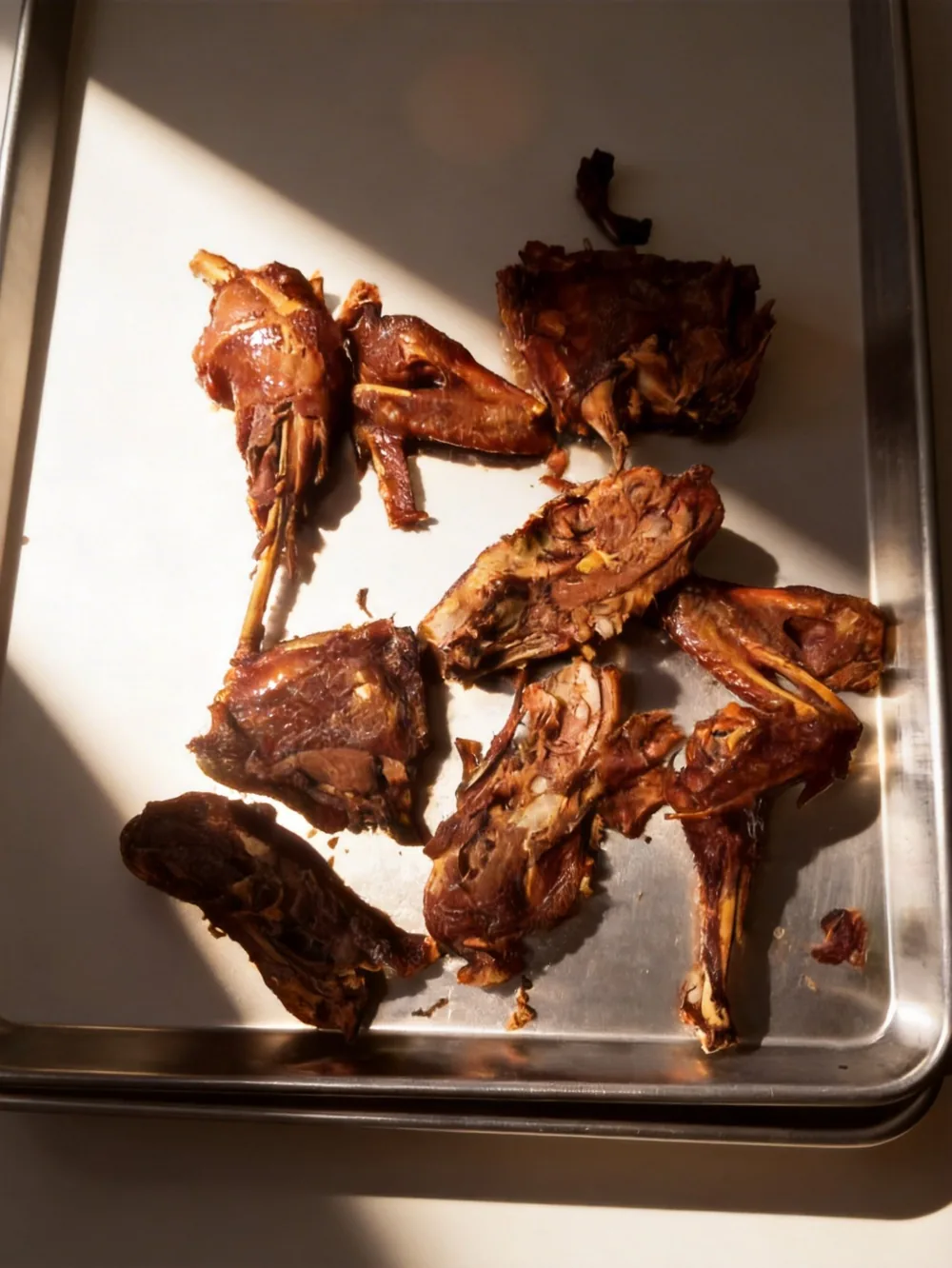
A note on freeze-dried pet treats
Single-ingredient freeze-dried pet treats — chicken, salmon, beef liver — are a major application, and the same rules apply with one emphasis: the process does not sterilize raw meat. Hygienic sourcing, cold-chain discipline, validated drying to low moisture, and sealed barrier packaging are essential, and treats should be produced with the same facility hygiene as human-food lines. See our pet treats manufacturer's guide for the process side.
A final honesty note: this guide describes good manufacturing practice as general knowledge. It does not claim any certification for our equipment or your facility — certifications are earned through audits, not articles. Build the controls, document them, and let the audit confirm it.
Frequently asked questions
Does freeze drying kill bacteria?
No — freeze drying removes water but does not sterilize. Some microorganisms survive the process in a dormant state. Food safety comes from the whole chain: hygienic raw material, washing and blanching where needed, drying to a validated low moisture, immediate barrier packaging, and clean handling after drying.
What is the most important food safety control in freeze drying?
Drying to a low, validated final moisture and sealing the product in moisture-proof barrier packaging immediately after discharge. Low water activity stops microbial growth; the packaging keeps it that way. Everything upstream — raw material hygiene, pre-treatment — supports that outcome.
Why must freeze-dried food be packed immediately after drying?
Fully dried product is hygroscopic: it reabsorbs moisture from the air within minutes to hours. Every minute of exposure in a humid packing room raises the water activity the drying cycle worked to remove. Pack in a dry, clean environment straight after discharge.
Is blanching necessary before freeze drying vegetables?
For most vegetables, yes — blanching reduces microbial load and inactivates enzymes that cause off-colors and flavors during storage. It is part of good manufacturing practice for vegetable products. Fruits are more often dried without blanching, with safety carried by washing, validated drying, and packaging.
Are freeze-dried pet treats safe?
Single-ingredient freeze-dried pet treats are widely produced, but the same rules apply: the process does not sterilize raw meat, so hygienic sourcing, validated drying to low moisture, and sealed barrier packaging are essential. Treats must be handled as the animal-food products they are, with the same facility hygiene as human-food lines.
Building a freeze-dried product line?
Tell us your product and target output — we'll help you size the dryer and plan the process chain around it.
Specifications are for reference only and are subject to the final supplied equipment.