Start with the product and the buyer, not the machine
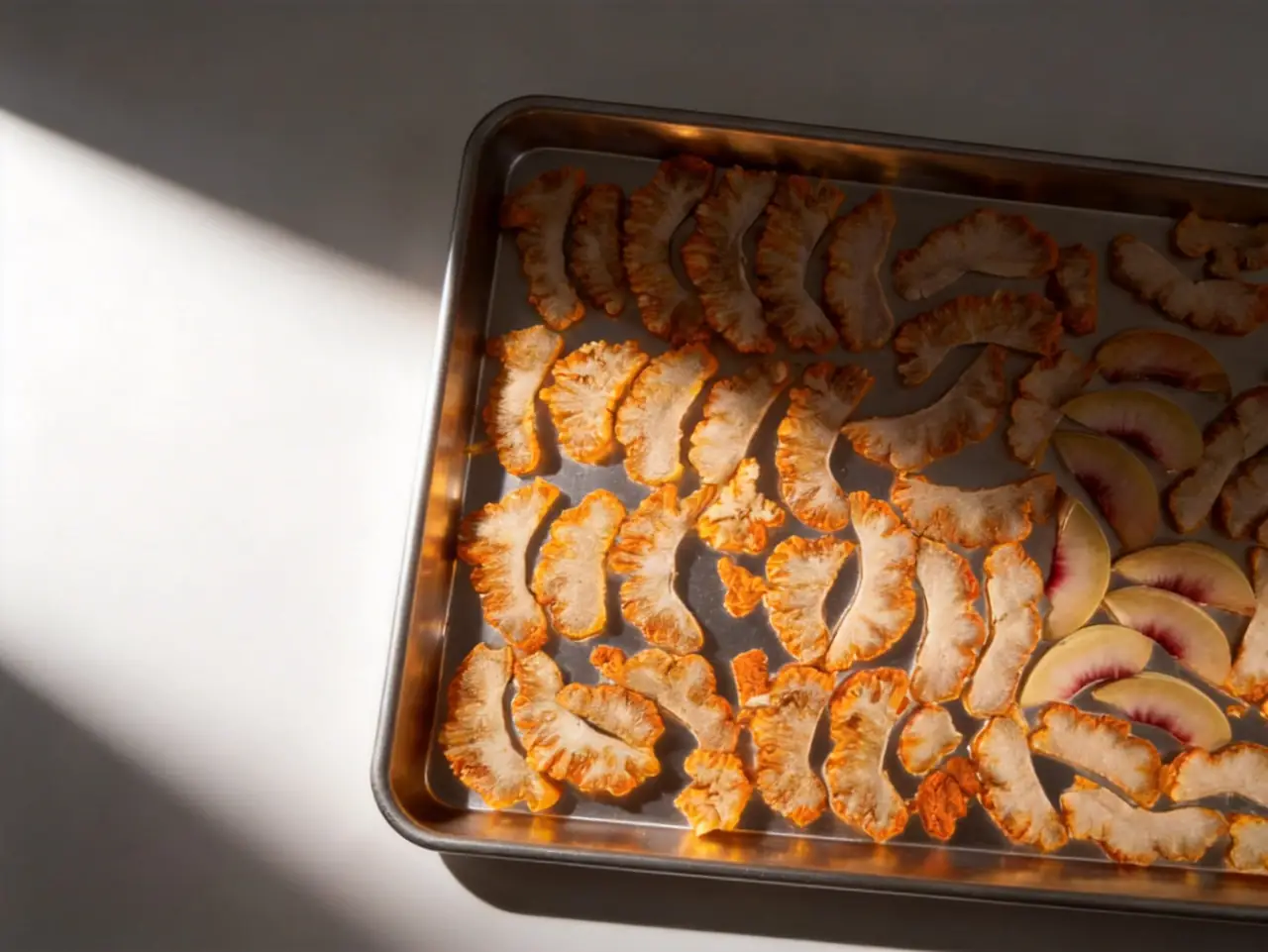
Freeze drying is an attractive technology, and that is exactly why it traps newcomers: the machine gets bought before the market is confirmed. Flip the order.
- Name the buyer. Retail brand, private label, export distributor, ingredient customer — each buys different products, in different formats, at different prices. "Selling freeze dried fruit" is not a plan; "supplying 200g pouches of freeze dried strawberry to two regional retailers" is.
- Check the price the market pays. Find the shelf price of comparable products in your target market and work backwards to the raw-material and processing cost you can afford. If the math doesn't work on paper, it won't work with a machine in the building.
- Prove the product dries well. Run trial batches on your actual raw material before committing to equipment. Taste, color, rehydration, and dryness are decided in trials — suppliers routinely run sample batches to dial in slice thickness, temperature curves, and cycle times.
Only when you have a buyer, a workable price, and a proven product does equipment sizing make sense. Everything before that is speculation.
Raw material supply: the hidden half of the business
New producers obsess over the dryer and underestimate the supply chain. In practice, raw material determines more of your outcome than the machine does:
- Variety and quality. The same fruit from two varieties — or two harvests — can dry completely differently. Contract growing or preferred-supplier agreements beat spot-market buying for consistency.
- Seasonality. Fresh produce is seasonal; a freeze drying line is not. Plan the annual production calendar around harvest windows, and consider whether frozen or pre-processed material can extend your season.
- Pre-treatment. Washing, sorting, slicing, and sometimes blanching sit upstream of the dryer and are half the labor. A line without a proper pre-treatment area becomes a bottleneck on day one.
- Waste ratio. Trimming and grading losses mean you buy significantly more raw material than the weight of finished product — budget for the ratio your trials show, not the ratio you hope for.
Sizing your equipment

Industrial freeze dryers are classed by shelf area and batch capacity. The QS line runs from the QS-FD-20 (20.16㎡, 84 trays, ~200kg/batch) through the QS-FD-100 (103.68㎡, 432 trays, ~1t/batch) to the QS-FD-200 (207.36㎡, 864 trays, ~2t/batch). Shared engineering across the range: SUS304 construction, square chamber, −60°C two-stage refrigeration, ±0.1°C four-zone heating control, Siemens S7-200 PLC, and Roots + screw vacuum pumps. Specifications are for reference only and are subject to the final supplied equipment.
Sizing rules that keep new businesses out of trouble:
- Size for confirmed demand plus modest headroom. An oversized line running half-empty has terrible unit economics — energy and labor per kilo soar while the machine depreciates anyway.
- Remember the cycle time. Freeze drying cycles run 20–40+ hours depending on product, thickness, and load. One batch per day (or less) is normal — multiply batch weight by realistic cycles per week, not by 24/7 fantasy.
- Leave expansion room. It is cheaper to add a second line later than to buy the wrong size now. Check the facility layout for where a future line would go.
Facility and utilities

A freeze drying line needs more than floor space. Prepare the site during equipment manufacturing, not after delivery:
- Space. The dryer plus pre-treatment area (washing, slicing), tray staging, packaging room, raw-material and finished-goods stores. Map the material flow: dirty → clean → pack, with no backtracking.
- Power. Industrial freeze dryers are heavy electrical loads — the QS-FD-100 class carries a 135kW installed rating. A dedicated three-phase supply with headroom is standard.
- Water and air. Cooling water for the refrigeration system and compressed air for controls and pneumatics — confirm the data-sheet figures with your utilities contractor.
- Delivery access. A QS-FD-200 class machine is 12 meters long; measure doors, corridors, and the final route before the truck is booked.
Food safety and quality basics
Certification requirements depend on your market and channel — domestic retail, export, and private-label contracts each have their own rules, and claiming certifications you don't hold is a red line. What every serious operation does from day one:
- Hazard control. Document the process hazards at each step (raw material, washing, drying, packing) and the controls that keep them in check. This is the skeleton of any food safety system you'll certify later.
- Traceability. Every finished pouch traces back to a batch, a dryer load, and a raw-material lot. Batch logging in the dryer control system feeds this directly.
- Hygiene zones. Separate raw and finished-product areas, hand and boot hygiene at zone boundaries, pest control, and cleanable surfaces throughout.
- Water activity and moisture checks. Final moisture targets are the quality gate that makes shelf life claims honest — verify every batch, not occasionally.
Build these in before the first commercial batch. Retrofitting food safety onto a running line costs multiples of building it right.
Packaging and shelf life
Freeze dried products are hygroscopic — they reabsorb moisture from the air within hours if left exposed, and moisture is what ends shelf life. Packaging is not a cosmetic decision:
- Barrier properties. Moisture-barrier and oxygen-barrier materials are standard: metallized or foil-laminate pouches, vacuum or nitrogen-flushed, often with desiccants inside.
- The packaging defines the shelf life. The same dried product can keep for months or years depending on the package and storage conditions — moisture, oxygen, light, and temperature are the four enemies.
- Match format to channel. Retail pouches, bulk cartons with liners for ingredient customers, sample sizes for trade shows — each has its own barrier and sealing requirements.
A realistic timeline to first production
Typical sequence (plan in parallel, not in series)
- Months 1–2: product and market validation, trial batches on your raw material.
- Months 2–5: equipment ordered (manufacturing lead time is typically around 3 months) while the facility is prepared and staff are recruited.
- Months 5–6: delivery, installation, commissioning, recipe lock-in on your products.
- Month 6+: first commercial batches, packaging validation, sales ramp.
The single biggest timeline mistake is sequencing: preparing the facility after the machine arrives adds months. Manufacturing, site works, hiring, and certification run in parallel. Standard commercial terms on industrial lines are a 1-year warranty, and specifications are for reference only until the final supplied equipment is confirmed.
Frequently asked questions
What is the first step in starting a freeze dried food business?
Validate the product and the buyer before buying equipment: confirm who will buy, at what price, and in what form. Then run trial batches on your actual raw material to prove the product dries well and tastes right. Equipment sizing follows the product — never the reverse.
How much freeze drying capacity do I need to start?
Size from your first-year sales plan, not from ambition: industrial lines are classed by batch weight, from the QS-FD-20 (~200 kg/batch) to the QS-FD-100 (~1 t/batch) and QS-FD-200 (~2 t/batch). Most new businesses start with one line sized for confirmed orders plus modest headroom, because an oversized line running half-empty has terrible unit economics.
How long does it take to go from ordering equipment to first production?
Expect several months: manufacturing lead time is typically around 3 months for industrial freeze dryers, plus shipping, installation, commissioning, and recipe development on your products. Start facility preparation in parallel with equipment manufacturing — not after delivery.
Do I need special food safety certifications to sell freeze dried food?
Requirements depend entirely on your market and sales channel — domestic retail, export, and private-label contracts each have their own rules. Build your operation on documented food safety practices from day one (HACCP-style hazard control, traceability, hygiene zones) so certification is a paperwork step later, not a rebuild.
What packaging do freeze dried products need?
Moisture-barrier and oxygen-barrier packaging — freeze dried products are hygroscopic and reabsorb moisture from the air within hours. Vacuum or nitrogen-flushed pouches with desiccants are standard for retail; the packaging defines the shelf life as much as the drying does.
Thinking about a freeze dried product line?
Tell us your product and target volume — we'll talk through trial batches, line sizing, and what the timeline looks like for your case.
Specifications are for reference only and are subject to the final supplied equipment.