Why product form decides the technology
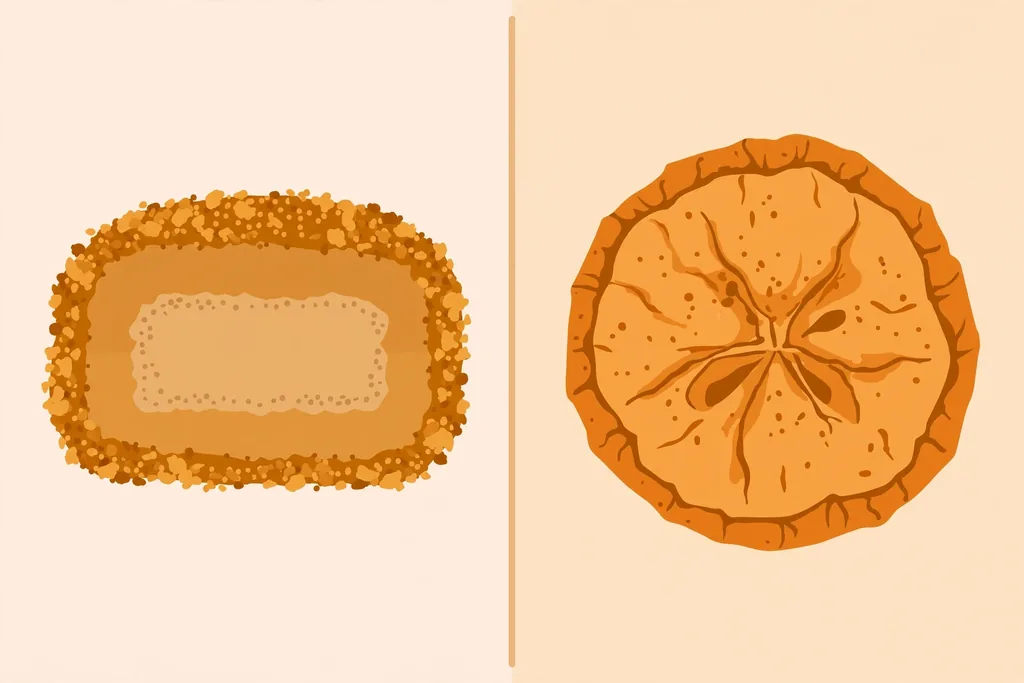
Buyers usually start by asking which frying machine they need. The better question is which product form they make. A snack is either coated — a batter, breading, or crumb layer applied before frying — or uncoated — raw cut pieces of fruit, vegetable, root, or legume fried directly in their natural form. The two behave so differently in a fryer that they practically belong to different equipment families:
- What sheds into the oil. Uncoated pieces release only moisture and small natural fragments. Coatings release batter drips, loose crumbs, and starch — which burn, darken the oil, and clog filters faster.
- How the product handles stress. A whole apple slice survives centrifuge de-oiling intact; a delicate coating can crack, slough off, or deform when spun.
- What the buyer values. Uncoated snacks sell on clean labels, natural appearance, and light texture. Coated snacks sell on indulgence and a crunchy bite — a different quality contract.
Experienced buyers pick the technology by working backward from the product form. Get the form wrong in your equipment brief, and even the best fryer will underperform.
Uncoated snacks: the home of batch vacuum frying
Batch vacuum frying was practically designed around uncoated whole pieces. Fruits like apple, banana, and jackfruit; vegetables like okra; roots like sweet potato and taro — cut, optionally pre-treated, and fried at 80–100 °C under vacuum, then de-oiled in a centrifuge before the vacuum is released.
Why this form and this technology fit so naturally:
- Clean surfaces, stable oil. Nothing sheds into the oil circuit, so the per-batch filtration routine stays simple. Filter management is still essential, but it is not fighting a constant stream of batter debris.
- Uniform heat transfer. With no coating to insulate the surface unevenly, heat reaches the whole piece evenly — fewer scorched edges, consistent texture across the batch.
- Color and shape retention. Low-temperature frying under vacuum keeps the product's natural color bright and its shape intact. For whole-piece snacks, appearance is the product — consumers inspect the slice before they taste it.
- Crisp without a coating. Vacuum frying drives moisture out efficiently at low temperature, so the piece crisps from its own structure rather than from an added crust — the foundation of the clean-label whole-fruit and vegetable chip category.
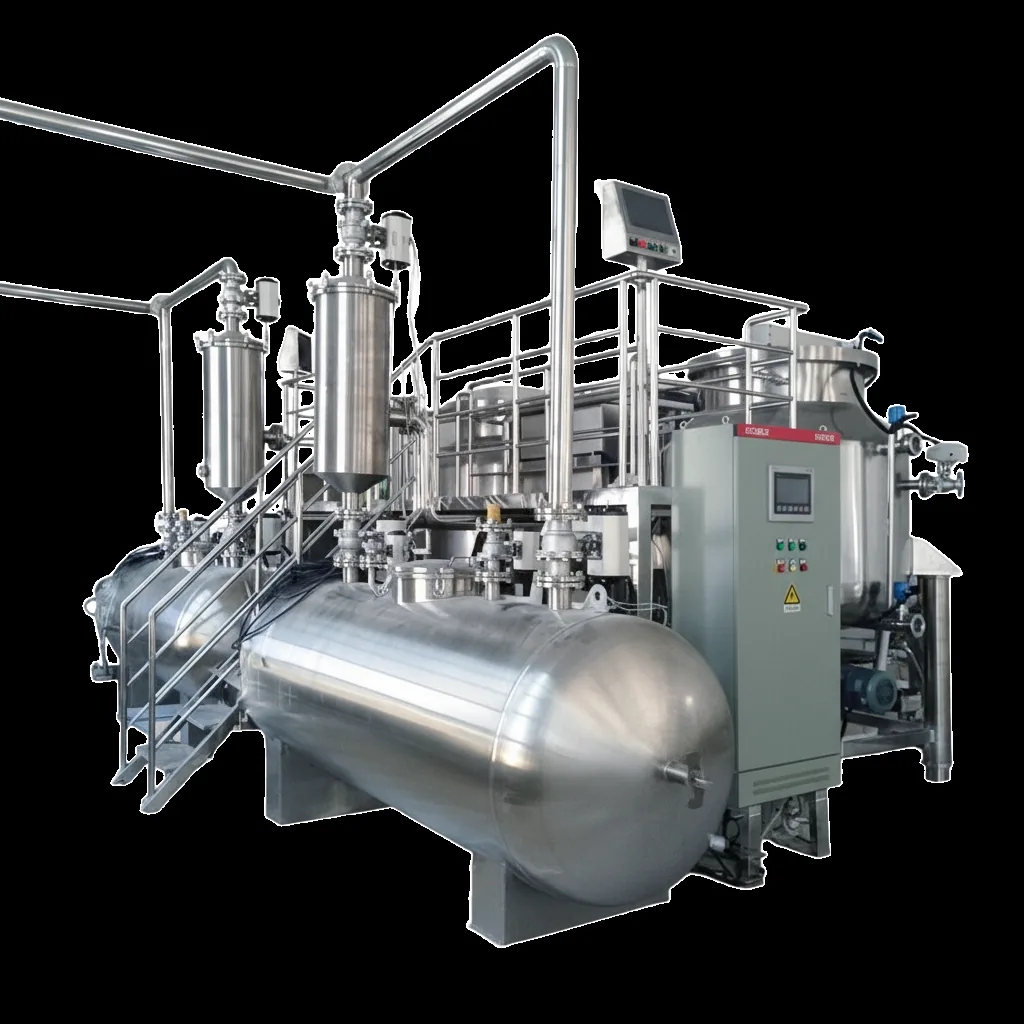
Industrial batch vacuum fryers like the QS-VF100 (100 KG per batch), QS-VF150 (150 KG per batch), and QS-300 (300 KG per batch) are dimensioned for exactly this rhythm: a basket of cut pieces, a frying cycle, a centrifuge spin — then the next basket, all run by the Delta PLC + MCGS control system. If your catalog is whole fruit and vegetable pieces, this is your lane.
Coated and battered snacks: a different frying world
Apply a batter, breading, or crumb coating and the physics change. The coating is now the product's outer layer — the first thing the oil meets, the first thing to burn, the first thing to shed debris, and the layer that defines the bite. Everything about the fryer has to respect that.
Coated products create specific challenges in a batch vacuum fryer:
- Debris load. Even well-adhered coatings shed batter and crumb into the oil. In a batch oil circuit, that debris accumulates between cycles, darkens the oil, and raises the filtration workload.
- Centrifuge stress. Batch vacuum frying ends with a centrifuge de-oiling spin under vacuum. A delicate coating can crack or peel during spinning — damage that a whole fruit slice simply never suffers.
- Different absorption behavior. Coatings absorb oil differently from naked flesh, and the absorption profile that makes a coated snack satisfying was developed for atmospheric, continuous processes — not necessarily for low-temperature vacuum batches.
This is not a verdict against coated snacks — they are a huge and profitable category. It is a matchmaking point: battered and breaded products do their best work on air frying or continuous frying lines, where gentle handling and steady-state oil management keep coatings intact from entry to exit.
Vacuum frying and air frying: complementary, not rivals
It is tempting to frame vacuum frying and air frying as competitors fighting over the same buyer. They are not. They serve different product forms and different buyer profiles — which is why both technologies keep growing side by side.
The industry's own direction confirms it: when major equipment suppliers such as JBT Marel announce industrial air-frying lines (their announcement on 2026-10-01 is the most recent example), they are addressing the coated and battered segment and the full-line buyer — not replacing vacuum frying for whole fruit and vegetable snacks. Each announcement adds capacity for its own segment rather than cannibalizing the other.
- Air frying suits coated and battered products, and buyers building full production lines where conveying and steady-state operation matter most.
- Batch vacuum frying suits whole fruit and vegetable snacks, and buyers who need a single high-performance machine at 100–300 KG per batch.
For manufacturers with a mixed portfolio, the answer can honestly be both: an air-frying or continuous line for the coated range, and a batch vacuum fryer for the whole-piece range. The right question was never "which technology wins" — it is "which technology serves each product form."
Decision table: product form → technology
Product form → recommended frying technology
| Product form | Recommended technology | Why |
|---|---|---|
| Whole fruit slices and pieces (apple, banana, jackfruit) | Batch vacuum frying | Preserves natural color and shape; crisps without a coating; clean oil circuit |
| Whole vegetable slices and sticks (okra, sweet potato, taro) | Batch vacuum frying | Low-temperature crisp with intact pieces; no coating to damage in the centrifuge |
| Battered pieces (tempura-style, wet batter) | Air frying or continuous frying line | Coating stability, gentle handling, no centrifuge stress on the batter |
| Breaded and crumb-coated products | Air frying or continuous frying line | Keeps crumb intact through steady conveying; debris handled by continuous filtration |
| Mixed portfolio (both coated and uncoated) | Both, staged by product form | Run one line per form — each technology does what it does best |
The QS-VF100, QS-VF150, and QS-300 cover 100, 150, and 300 KG per batch. Specifications are for reference only and are subject to the final supplied equipment.
How to decide based on your product portfolio
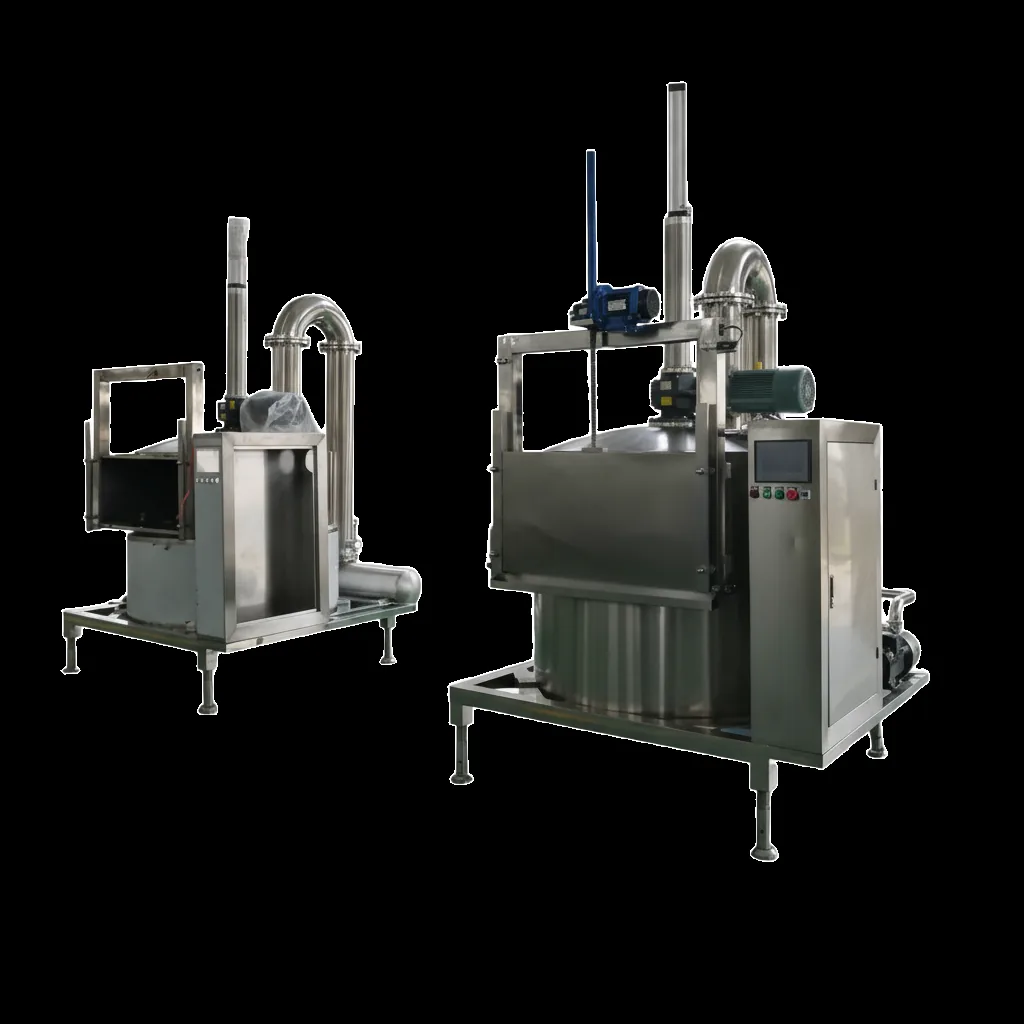
Translate the table above into a decision for your own plant with four questions:
- What share of your volume is coated vs uncoated? If your catalog is overwhelmingly whole-piece fruit and vegetable snacks, a batch vacuum fryer is the straightforward choice. If coated products dominate, start with air frying or a continuous line and add vacuum capacity later.
- Who is the buyer, and what do they value? Clean-label, better-for-you buyers reward natural appearance and short ingredient lists — the uncoated, vacuum-fried lane. Indulgent buyers reward the coating's crunch — the battered lane. Match the technology to the quality contract you sell.
- What capacity does each form need? Whole-piece lines often start at the QS-VF100's 100 KG per batch class for market testing, then scale to the QS-VF150 or QS-300 as volume grows. Size the coated line separately by its own volume, not by the vacuum fryer's batch rhythm.
- Test the real product before you commit. Run trial batches of your own recipe — your cuts, your coating, your target texture — and judge color, bite, and appearance against your buyer's standard. Trial batches are data; brochures are guesses.
And remember the timeline: batch vacuum fryers in this class typically carry a 1-year warranty and an approximate 3-month lead time, so a decision made today produces equipment roughly one quarter later. Sequencing trials early avoids a launch-day gap.
Quick reference: QS batch vacuum fryer classes
| Model | Batch size | Notes |
|---|---|---|
| QS-VF100 | 100 KG/batch | Entry class: market testing, small lines |
| QS-VF150 | 150 KG/batch | Mid-volume production |
| QS-300 | 300 KG/batch | High-volume; vessel 2600 mm (H) × 1600 mm (D) |
Batch vacuum frying at 80–100 °C with centrifuge de-oiling under vacuum; Delta PLC + MCGS controls. Specifications are for reference only and are subject to the final supplied equipment.
Frequently asked questions
Can I vacuum-fry battered or breaded products in a batch vacuum fryer?
We do not recommend it. Coatings shed batter and crumbs into the oil, raise the filtration workload, and suffer damage in the centrifuge de-oiling spin, which is harder on a delicate coating than on a whole piece of fruit or vegetable. Battered and breaded products are better served by air frying or continuous frying lines, which handle coatings without batch centrifuge stress.
Why does batch vacuum frying suit whole fruit and vegetable pieces so well?
Uncoated whole pieces present a clean, intact surface to the hot oil: nothing sheds into the oil circuit, heat transfer stays uniform, and the low-temperature 80–100 °C vacuum process keeps natural color and shape. Apple, banana, jackfruit, okra, and sweet potato come out crisp with their color retained — the exact qualities their buyers pay for.
Are air frying and vacuum frying competitors?
No — they are complementary. Air frying suits coated and battered products and full-line buyers, while batch vacuum frying suits whole fruit and vegetable snacks and 100–300 KG per batch single-machine buyers. A manufacturer with a mixed product portfolio may run both: one line per product form, each doing what it does best.
Which QS batch vacuum fryer should I start with?
Match the machine to your target output: the QS-VF100 at 100 KG per batch is the entry class for market testing and small lines, the QS-VF150 at 150 KG per batch covers mid-volume production, and the QS-300 at 300 KG per batch serves high-volume lines. Choose by the product form too — these are batch vacuum fryers built for uncoated whole-piece snacks.
What should I test before buying a frying line?
Test your actual product form, not a generic sample: run trial batches of your own coated or uncoated recipe, judge color, texture, and appearance, and confirm the oil-management and filtration workload fits your team. And confirm lead time — approximately 3 months for these machines — so trial timing fits your launch plan.
Know your product form? Let's match the machine
Tell us your product form and target output, and we'll help you size the right machine. Explore the range on our vacuum fryer page.
Specifications are for reference only and are subject to the final supplied equipment.