The real timeline: order to production

Most buyers underestimate the order-to-production window because they count only manufacturing. For industrial-class food processing equipment, the realistic chain is:
- Manufacturing lead time: roughly 3 months from order confirmation to completion for industrial-class machines. This is the number suppliers quote — it is not the delivery date.
- Crating and export packing: sea-freight crating for large machines takes days to weeks, especially for oversized pieces.
- Sea freight: typically several weeks depending on the route, plus port congestion and sailing schedules you don't control.
- Customs clearance and inland transport: days to weeks — have a customs broker engaged before the vessel sails, not after it arrives.
- On-site installation and commissioning: days to weeks depending on machine size, including a loaded production test.
A realistic order-to-production window is 4–6 months. Start civil works and raw-material contracts against that timeline, and work backward from the date you need product — not forward from the date you sign.
Trade terms & shipping basics
Three trade terms dominate equipment imports. Understanding who owns freight, insurance, and risk at each stage prevents the most common disputes:
- EXW (Ex Works): you collect the machine at the factory gate and arrange everything — export clearance, freight, insurance, import clearance. Cheapest headline, most work and risk on you.
- FOB (Free On Board): the supplier handles export clearance and delivers the crated machine onto the vessel. You arrange ocean freight and insurance from there.
- CIF (Cost, Insurance and Freight): the supplier arranges ocean freight and insurance to your destination port. You handle import clearance and inland transport. Most convenient — but compare the supplier's freight rate against your own forwarder's quote, and confirm exactly what "to port" includes (not always unloading).
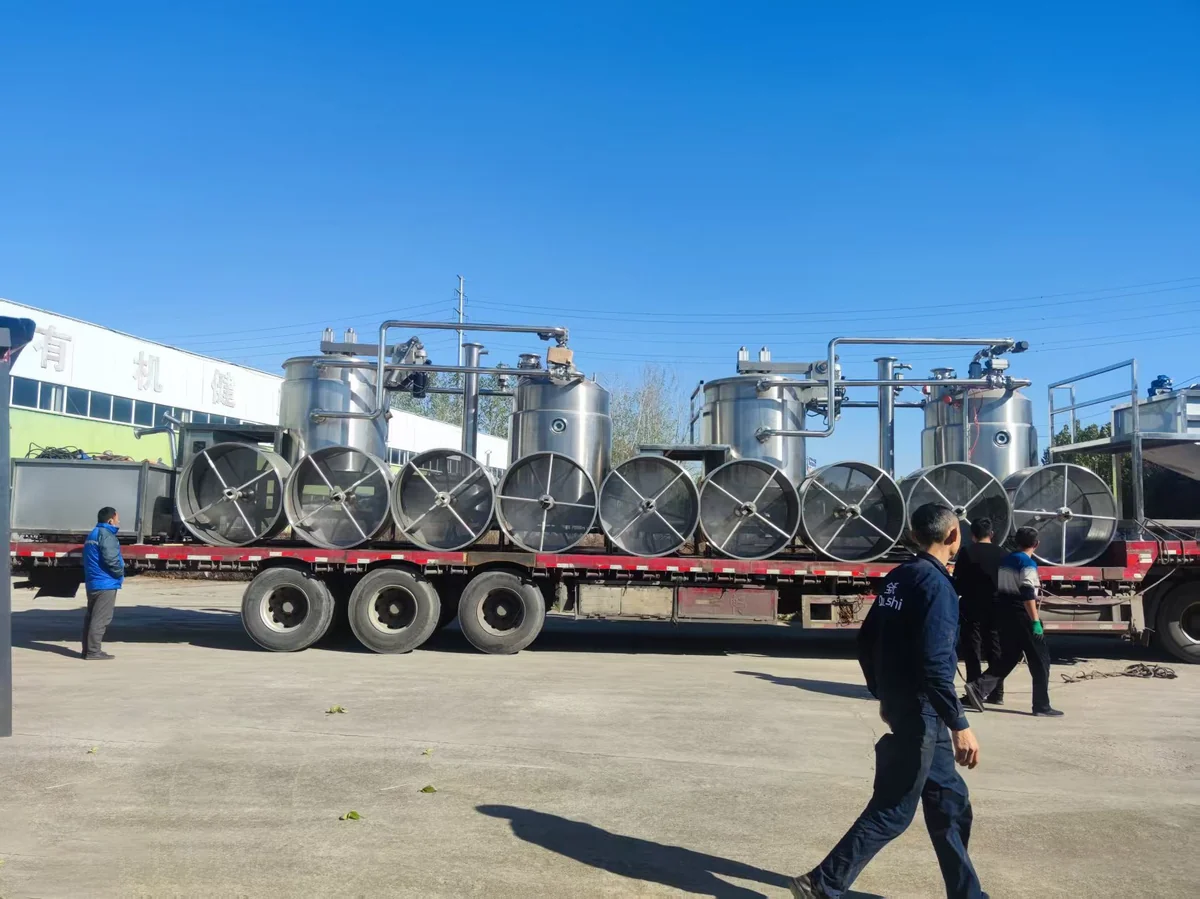
Whatever the terms, confirm in writing: sea-freight packaging standard (fumigated wooden crates, moisture protection, corrosion inhibition for stainless equipment), who insures what and for how much, and who handles the largest piece — a 7–12 m freeze dryer or a 2600 mm vacuum fryer vessel may need special flat-rack or oversized handling. Specifications are for reference only and are subject to the final supplied equipment.
15 questions to ask before you sign
The buyers who get what they paid for are the buyers who got everything in writing. Run every supplier through this list before signing:
- Confirm the duty point in writing — product, capacity per batch or per hour, cycle time, target final moisture. This is the anchor everything else hangs on.
- What exactly is included vs. excluded? — spare parts, tools, installation materials, water/air treatment. Vague scope means vague delivery.
- The real manufacturing lead time — from order confirmation (not from first deposit) to completion.
- Trade terms — EXW, FOB, or CIF, and precisely where risk and cost transfer.
- Export packing standard — crating for sea freight, moisture and corrosion protection.
- Installation and commissioning scope — days on site, what the supplier provides, what you must have ready.
- Operator training — who is trained, for how long, in what language, and what documentation stays behind.
- Warranty — length, what it covers and excludes, and how claims are handled across borders. (Our machines carry a 1-year warranty.)
- Spare parts — availability, lead time, and a recommended first stocking list.
- After-sales channel — who answers when something breaks: a named contact, a response-time commitment, remote diagnostics.
- Utility requirements — power (voltage, phases, capacity), water, compressed air — with exact figures, not estimates.
- Footprint and delivery pieces — the machine's installed footprint and the dimensions and weight of the largest single delivery piece.
- Voltage standard and control language — confirm the electrical standard and that the HMI and manuals are in a language your team reads.
- Documentation — manuals, electrical schematics, mechanical drawings in English.
- Quality verification before shipment — what tests the supplier runs before the machine leaves, and whether you can witness them (photos, video, or a factory visit).
How to compare quotes fairly
Equipment quotes are only comparable when the duty point is held constant: same product, same capacity, same cycle time, same final moisture, same trade terms. Then compare the full scope — not the headline price:
- Is installation, commissioning, and training included or extra?
- Is sea-freight crating included, and to what standard?
- What spare parts ship with the machine?
- What warranty length and coverage?
- What documentation comes with it?
Two quotes with different duty points or different scopes are not comparable — and the cheaper headline is usually the less complete scope. We discuss cost structure only, and never publish invented prices.
Preparing your site while the machine is built
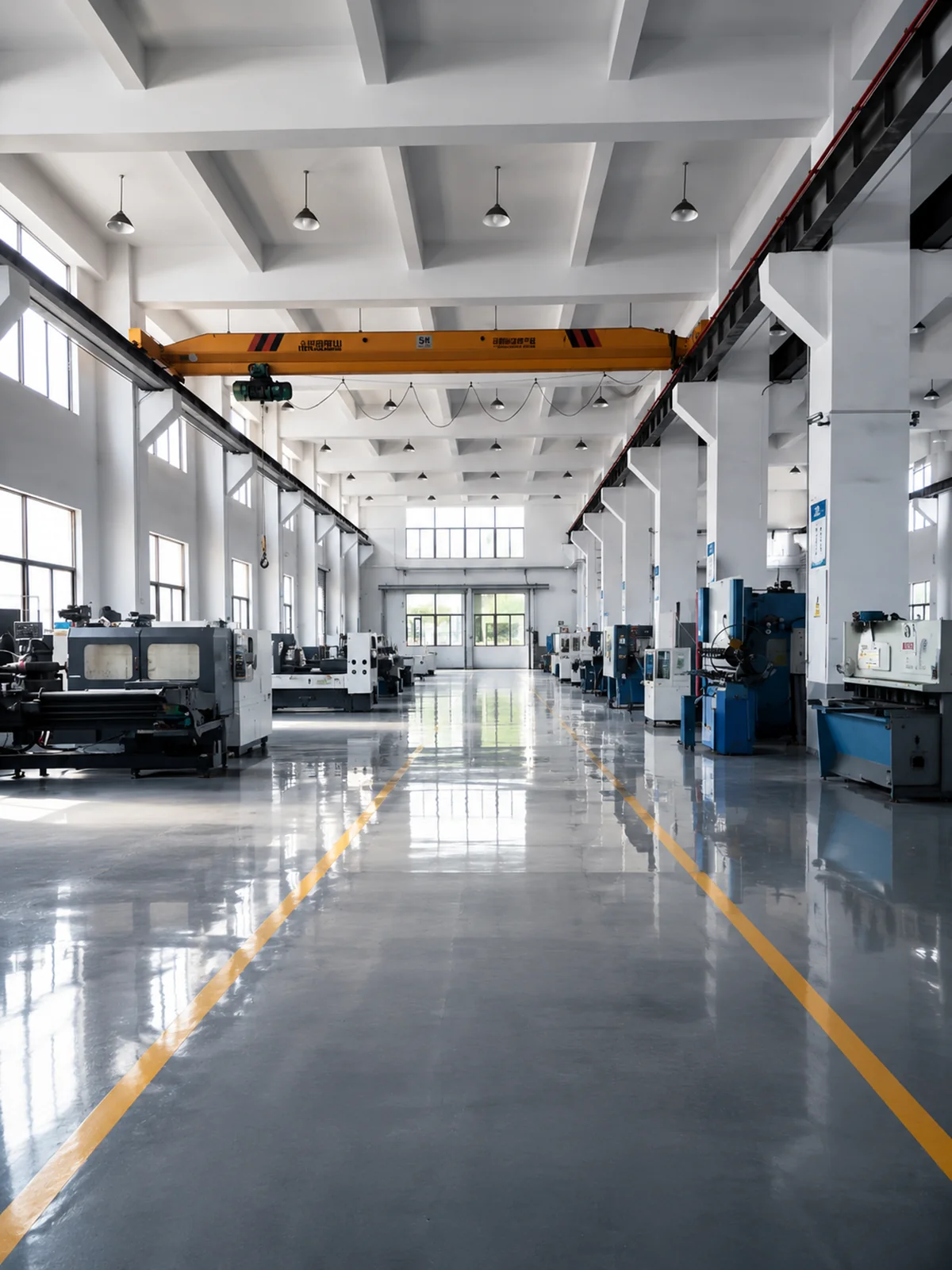
Use the manufacturing months — don't waste them:
- Civil works: floor loading and leveling, drainage for washdown and defrost water, equipment foundations if required.
- Utilities to the connection points: power, cooling water, compressed air — sized from the supplier's data sheet, not from estimates.
- Delivery route: confirm door widths, corridor turns, and crane access for the largest delivery piece before the truck arrives.
- Customs and inland transport: engage the broker early; confirm who unloads at your site.
- Raw material and oil supply: contract product supply and (for fryers) food-grade oil so trial production isn't waiting on inputs.
- Operators: assign the people who will run the machine — they should receive the commissioning training, not just watch it.
The machines that start producing on schedule are the ones whose sites were ready on schedule.
Installation, commissioning & acceptance
For industrial equipment, commissioning should be done by the supplier's engineers and should include mechanical assembly, electrical connection, a no-load test run, and a loaded production test that proves the machine hits its duty point. Agree in the contract:
- Days on site and what the supplier's engineers provide.
- What you must have ready: utilities, raw material, labor, crane.
- What "accepted" means in measurable terms — batch weight, cycle time, final moisture, or product quality targets — before the final payment is released.
- How unresolved issues are handled after the engineers leave: remote support, parts dispatch, return visits.
Final payment tied to measured acceptance is the single strongest protection a buyer has. Everything else in this guide is preparation for that moment.
Frequently asked questions
How long does it take to get food processing equipment from overseas?
For industrial-class machines, expect roughly a 3-month manufacturing lead time, plus crating, sea freight (typically several weeks), customs clearance, inland transport, and on-site installation and commissioning. A realistic order-to-production window is 4–6 months.
What should be included in a food machinery quotation?
The duty point, full equipment scope (included vs. excluded), manufacturing lead time, trade terms, sea-freight packaging, installation and commissioning scope, operator training, warranty terms, spare-parts list, and English documentation. Anything vague in the quote will be vague in the delivery.
How do I compare equipment quotes from different suppliers?
Hold the duty point constant — same product, capacity, cycle time, final moisture, trade terms — then compare full scope: installation, commissioning, training, crating, spare parts, warranty, documentation. The cheaper headline is usually the less complete scope.
What questions should I ask before ordering industrial food machinery?
Fifteen essentials: duty point in writing; included vs. excluded scope; real lead time; trade terms; export packing; installation and commissioning scope; training; warranty; spare parts; after-sales channel; utility requirements; footprint and largest-piece dimensions; voltage and control language; documentation; and pre-shipment quality verification.
What should I prepare while the machine is being built?
Civil works, utilities to the connection points, the delivery route and crane access for the largest piece, a customs broker, raw-material and oil supply contracts, and assigned operators for commissioning training.
Who handles installation and commissioning?
It should be the supplier's engineers: mechanical assembly, electrical connection, no-load test, and a loaded production test proving the duty point. Agree the scope, your readiness obligations, and measurable acceptance criteria in the contract before the final payment.
Planning an equipment import?
Tell us your product and target output — we'll confirm the duty point, the lead time, and exactly what's included.
Specifications are for reference only and are subject to the final supplied equipment.