What the products are
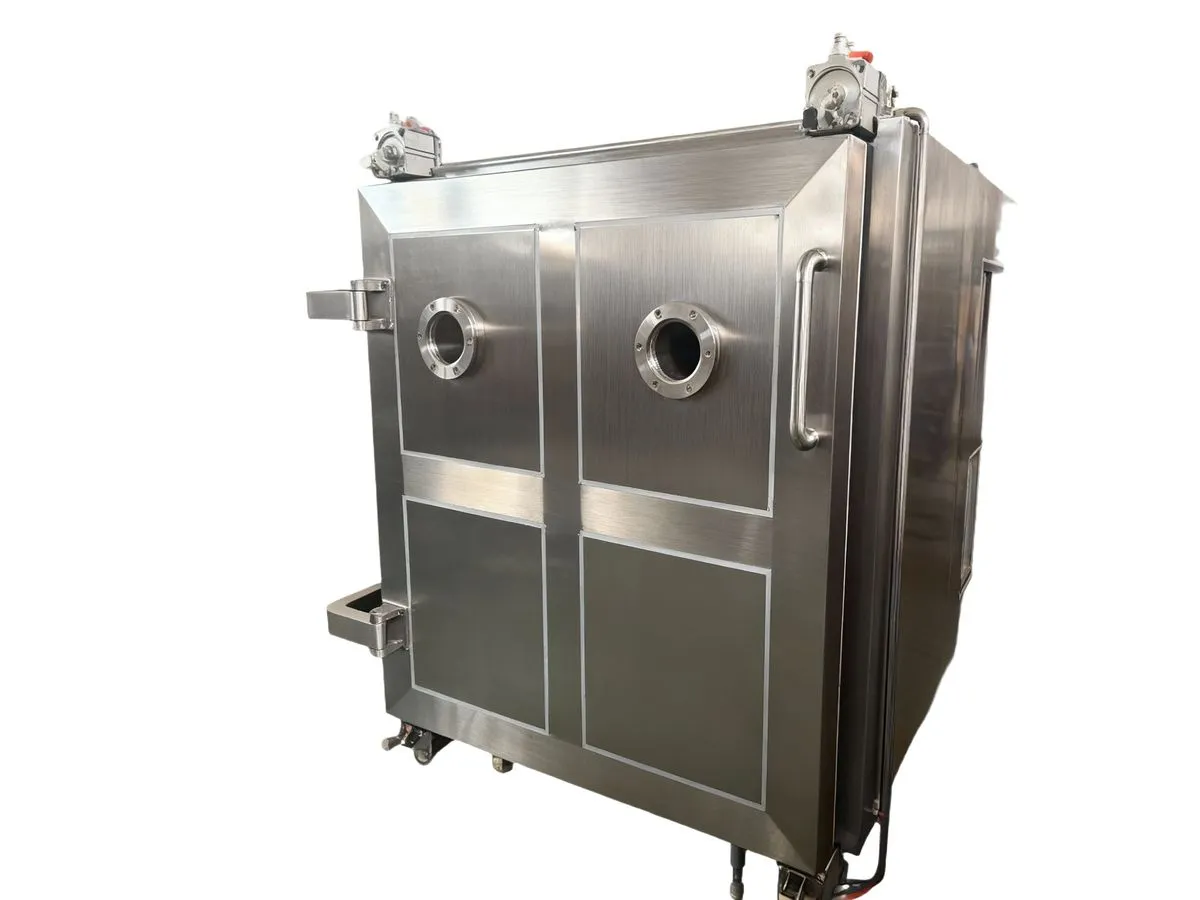
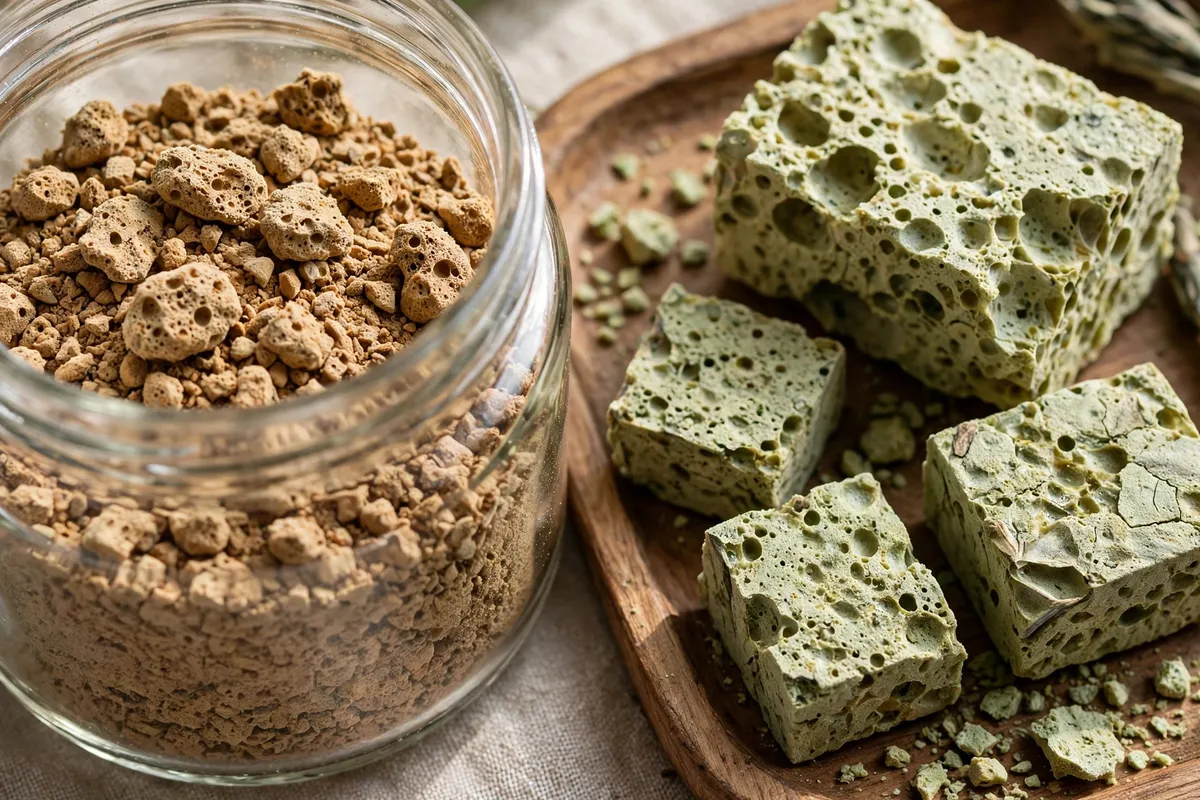
Freeze dried instant coffee is coffee brewed from roasted beans, concentrated into an extract, frozen solid and dried by sublimation — ice turning directly into vapor under vacuum. The dried extract is milled into porous granules that dissolve in seconds. It is the premium tier of instant coffee: more expensive to make than spray-dried powder, and recognizably closer to brewed coffee in aroma.
Freeze dried tea follows the same principle with a different starting material: a brewed tea infusion — black, green, oolong, herbal — that is concentrated and freeze dried. It is sold as instant tea powder or as shaped tea extract blocks dried in molds, which keep a defined form for retail and dissolve into a clear cup.
Both products exist because of one fact: coffee and tea aroma compounds are volatile. Anything that dries them with hot air drives off exactly the notes the customer is paying for. Freeze drying avoids high heat entirely, which is why it owns the premium instant segment.
Why freeze drying suits coffee and tea
The case for freeze drying over spray drying is a trade of cost for quality:
- Aroma retention. Spray drying exposes the extract to hot air; the most volatile aromatics evaporate with the water. Freeze drying removes water as vapor from ice at low temperature, so those compounds stay in the granule — the entire product argument.
- Porous structure. Sublimation leaves behind the spaces the ice crystals occupied: a sponge-like granule with huge surface area. That is why freeze dried coffee dissolves almost instantly, and why tea blocks rehydrate into a clear infusion instead of a gritty one.
- Clean label position. The product is brewed extract, frozen and dried — nothing else is required. That supports the premium, minimal-ingredient positioning that justifies the price.
- The cost reality. Freeze drying is slower and more energy-intensive per kilogram than spray drying. It only makes business sense where the market pays for the aroma difference — specialty instant coffee, premium tea extracts, functional and herbal infusions.
One boundary to respect: don't promise measured retention percentages you haven't verified. "Preserves aroma better than hot-air drying" is a defensible process claim. Specific numbers belong to your lab, not your marketing.
The process chain, step by step
Extract products follow a chain that looks different from whole-fruit freeze drying — the raw material is a liquid, not a slice:
- Brewing. Coffee: extraction from roasted and ground beans. Tea: infusion from leaf. Brewing defines the flavor; everything downstream only preserves what brewing created.
- Concentration. The dilute brew is concentrated to raise solids content. Higher solids mean less water for the freeze dryer to remove — this step directly decides dryer capacity and cycle economics.
- Freezing. The concentrate is frozen on trays — or in molds for shaped tea blocks — before drying. Freezing method affects ice-crystal size, which decides the dried granule's porosity and dissolution speed.
- Freeze drying. Primary drying removes the ice by sublimation under vacuum; secondary drying removes bound moisture. The dryer's four-zone heating control (±0.1 °C, max 80 °C) keeps the product below its collapse temperature throughout — this is where process control makes or breaks the batch.
- Milling and packing. The dried cake is broken or milled to granule size and packed immediately in moisture-barrier packaging. The porous structure starts absorbing ambient moisture the moment it leaves the dryer, so speed matters.
Coffee vs tea: where the processes differ
The freeze-drying physics is identical; the materials are not:
- Starting material. Coffee extract comes from roasted beans and carries oils as well as aromatics; tea comes from leaf infusions with more delicate, more volatile top notes. The brewing equipment upstream is completely different.
- Shaped blocks. Tea is commonly dried in molds to form extract blocks with a defined shape for retail — a product form coffee rarely takes. Mold design (release, uniformity, block thickness) becomes part of the process engineering.
- Aroma sensitivity. Tea's volatile profile is more fragile than coffee's, so tight vacuum and temperature control during drying matters even more.
- Solids content. Coffee and tea concentrates typically arrive at the dryer at different solids levels, changing the water load per tray and therefore the cycle design. Size the dryer from the water to be removed, never from finished-product weight.
Equipment demands: what the dryer must do
Extract drying is a demanding application. What to require of the freeze dryer:
- Capacity sized to water load. A tray of coffee concentrate is mostly water; the dryer must remove all of it within your production schedule. Supreme Beast QS freeze dryers cover the QS-FD-20 (~200 kg per batch) for pilot and specialty runs, the QS-FD-100 (~1 ton per batch) and the QS-FD-200 (~2 tons per batch) for commercial volume. Run the water math with the supplier against your actual concentrate solids.
- Fine temperature control. The four-zone independent heating control (±0.1 °C, maximum 80 °C) on QS machines exists for exactly this: holding the product below its collapse temperature while driving sublimation as fast as the material allows. Extracts with low collapse points punish coarse control with shrunken, slow-dissolving product.
- Deep, stable vacuum. Roots and screw vacuum pumps in combination deliver the deep vacuum sublimation needs and hold it steady across a long primary-drying phase — steadiness over many hours matters more here than pump-down speed.
- Food-grade construction. SUS304 chamber, square chamber design, food-grade silicone seals — the standard QS specification.
- PLC control with recipe storage. Siemens S7-200 PLC with CN/EN touchscreen, storing the full drying curve per product. Coffee extract, tea blocks and herbal infusions each get their own validated recipe — operators select by name, not by memory.
QS freeze dryer reference (extract lines)
- QS-FD-20 — 20.16 m² tray area, 84 trays, 35 kW, ~200 kg per batch — pilot / specialty production
- QS-FD-100 — 103.68 m² tray area, 432 trays, 135 kW, ~1 ton per batch — commercial volume
- QS-FD-200 — 207.36 m² tray area, 864 trays, 135 kW, ~2 tons per batch — high-volume lines
- Shared: SUS304 square chamber, −60 °C two-stage refrigeration, ±0.1 °C four-zone heating (max 80 °C), Siemens S7-200 PLC, Roots + screw vacuum pumps
- Commercial: 1-year warranty, approx. 3-month lead time
Packing: the step that protects the aroma
The most underrated part of the whole line. Freeze dried coffee and tea are hygroscopic and oxygen-sensitive by structure: the same porosity that makes them dissolve fast makes them absorb moisture and lose aroma fast. Rules:
- Pack immediately. Minimize the time between dryer discharge and sealing — the product should move from tray to sealed pack as one continuous flow, not sit in open bins.
- Moisture-barrier packaging. Foil-laminate pouches or sealed jars; the barrier is part of the product design. Standard thin plastic is not enough for a product this hygroscopic.
- Low-humidity packing room. Dehumidified and adjacent to the dryer discharge, so the product never travels through humid factory air.
- Validate shelf life yourself. Don't print a shelf-life claim copied from another brand. Store packed product at your actual storage conditions and test aroma, moisture and dissolution at intervals.
Sizing the line: questions for your supplier
- What concentrate solids are you assuming? The water load — and therefore dryer size and cycle time — follows directly from your concentrate's solids content. Bring your actual numbers, not a generic example.
- Has this dryer run extracts before? Extract drying behaves differently from whole-fruit drying. Ask for reference cases and drying curves, not just the machine brochure.
- How is the drying curve developed? The supplier should help you validate the recipe on your actual extract during commissioning and store it in the PLC recipe system.
- What does the discharge-to-pack flow look like? Ask how the supplier designs the low-humidity transfer from dryer to packing. If they have no answer, they haven't built an extract line.
- Commercial terms. QS freeze dryers carry a 1-year warranty with roughly a 3-month lead time — schedule your brewing and concentration equipment against the same clock.
Frequently asked questions
What is freeze dried instant coffee?
Freeze dried instant coffee is coffee brewed from roasted beans, concentrated into an extract, frozen, and then dried by sublimation — ice turns directly to vapor under vacuum. The result is a porous granule that dissolves quickly in hot water and carries more of the brewed coffee's aroma than spray-dried powder, because it never sees high drying temperatures.
How is freeze dried tea different from freeze dried coffee?
The freeze-drying stage is similar, but the starting material differs: tea begins as a brewed tea infusion that is concentrated, while coffee begins as brewed coffee extract from roasted beans. Tea blocks are often dried in molds so they keep a defined shape for retail, and tea aroma is more volatile, so tight vacuum and temperature control matter even more.
Why not just spray dry coffee and tea?
Spray drying is cheaper and faster, and it is how most mass-market instant coffee is made. Freeze drying costs more per kilogram but preserves volatile aromatics that hot air destroys — that is the whole product argument. Premium instant coffee and specialty tea extracts are where freeze drying's aroma advantage pays for its cost.
What size freeze dryer does a coffee/tea extract line need?
Size from finished output and water load: the dryer must remove all the water in the frozen extract trays within your production schedule. Supreme Beast QS freeze dryers span the QS-FD-20 (~200 kg per batch) for pilot and specialty production, the QS-FD-100 (~1 ton per batch) and the QS-FD-200 (~2 tons per batch) for commercial volume. High-moisture extracts need more drying capacity than their finished weight suggests — run the water math with the supplier.
How should freeze dried coffee and tea be packed?
Pack immediately and dry: the porous freeze-dried structure reabsorbs moisture and oxygen from the air, which kills aroma and causes caking. Moisture-barrier packaging — foil pouches or sealed jars with the right headspace — is part of the process design, not an afterthought. Plan the packing room as a low-humidity space next to the dryer discharge.
Planning an extract drying line?
Send us your concentrate specs and target output — we'll size the right freeze dryer and map the full process chain. See the range on our freeze dryer page.
Specifications are for reference only and are subject to the final supplied equipment.