What private label actually means here
Private label is simple: the pack carries your brand, your name, your design, and what sits inside is made to your specification. The drying itself happens in someone else's factory — a co-packer — or in your own, if you buy the line.
The phrase gets thrown around loosely. Some suppliers call a stock product with your sticker on it "private label". That is not the same thing. Ask who owns the recipe and the process settings — if the answer is the factory, and you cannot change them, you are buying their product with your label on it, not your product.
It decides what you can change later: piece size, cut, mix, pack weight. If you want a mango piece cut a certain way for a cereal topping, the specification has to be yours.
Own line or co-packer: the decision that comes first
This is the first real decision, and it is a money decision before it is a food decision.
A co-packer lets you start without buying machinery. You pay per batch or per kilo, you learn whether the product sells, and you walk away if it does not. The trade-off: you queue behind their other customers, you accept their schedule, and your cost per pack stays higher than on your own line.
Your own line flips that around. You control the schedule, the recipe, and the cost per kilo once the machine is running — but you also carry the machine, the power, the labour, and the maintenance. It is not a small purchase, and delivery takes about three months, so the line has to earn its keep for years, not one season.
If you can name your monthly volume and it holds steady for six months, an own line starts to make sense. If your volume is still a guess, a co-packer is the cheaper way to find out. Plenty of buyers do both: co-packer first, own line once the orders repeat.
Before you email anyone, write these four lines down
Every serious supplier asks the same four things, usually in the first reply. Write them down first and the conversation moves twice as fast.
- Product: which food, cut how, and in what form — slices, cubes, pieces, or powder.
- Pack size: the weight in each pack, and whether it is a single-serve snack or a bulk ingredient pack.
- Target market: where it will sell and under what rules. A snack for retail shelves is a different job from an ingredient for a cereal factory.
- Monthly volume: how many kilos per month, and whether that is steady or seasonal.
Two more lines help: who supplies the raw material — do you send the fresh fruit, or does the factory buy it? — and your delivery address. A co-packer quotes on the whole job, not just the drying, so anything you leave out comes back as a question, or a surprise on the invoice.
Questions worth asking a co-packer
Ask these before you talk price — the answers tell you whether the factory can actually make your product, or just wants the order.
- Who buys the raw material, and how is it graded? A bruised piece dries darker and softer, so grading is where quality is decided.
- Can I run a trial batch, and what does it cost? Any factory that refuses a trial is a factory to walk away from.
- What does the price cover? Drying only, or drying plus packing, labels, and freight? Get the list in writing.
- What are the minimums? Per batch and per order — and what happens if you order less.
- What happens if a batch fails my check — who pays for the rework?
- How fast do pieces move from dryer to pack? Freeze-dried pieces take up moisture fast in open air, so the packing room should be dry and the move prompt.
- Who approves the artwork and the claims on the pack? Check your target market's rules before printing anything about shelf life or nutrition.
How to read a quote without comparing apples to oranges
Two quotes rarely describe the same job. One prices per kilo of fresh fruit in, the other per kilo of dried product out. One includes the pouch, the other does not.
Put every quote on the same basis: price per kilo of finished, packed product, for the same pack size, delivered to the same place. Ask each supplier to break the price into its parts — raw material, drying, packing, freight — so you can see where the money goes.
Watch for what is missing. No mention of the trial batch cost? No minimum order? No statement on who supplies the packaging? Each gap is a cost you will meet later. Get the answers in writing before you pay a deposit.
Run a trial batch before you sign anything
A trial batch is the cheapest insurance in this business — one tray of your own product tells you more than a brochure ever will.
What to check: piece size first. Even pieces dry evenly; uneven pieces come out half damp, half brittle. Then colour — does it still look like the fruit? Then breakage — how many pieces survive packing? And the pack — sealed promptly in a dry room, or the pieces soften before they reach the buyer.
If the trial runs on a co-packer's line, ask to see the pieces before they are packed. If you are sizing your own dryer, run the trial on the same model you plan to buy — a trial on a small machine does not prove what a big one will do.
If you build your own line: sizing the dryer
Size from your fresh load per batch, not from a sales target. The QS-FD-20 takes about 200 kg per batch, the QS-FD-100 about 1 tonne, and the QS-FD-200 about 2 tonnes. Tray area sets that limit: 20.16 sqm on the FD-20, 103.68 sqm on the FD-100, and 207.36 sqm on the FD-200.
The chamber is square SUS304 stainless steel, the cold trap runs to -60°C on R404A/507 refrigerant, and heating holds within ±0.1°C up to a maximum of 80°C. Controls are a Siemens S7-200 PLC with touchscreen, vacuum comes from Roots and screw pumps, and the seals are food-grade silicone.
QS freeze dryer models
| Model | Tray area | Trays | Power | Dimensions (mm) | Batch capacity |
|---|---|---|---|---|---|
| QS-FD-20 | 20.16 sqm | 84 | 35kW | 4500x1300x1400 | ~200kg/batch |
| QS-FD-100 | 103.68 sqm | 432 | 135kW | 7000x4000x2300 | ~1t/batch |
| QS-FD-200 | 207.36 sqm | 864 | 135kW | 12000x4000x2300 | ~2t/batch |
- Chamber: SUS304 stainless steel, square chamber.
- Cold trap: -60°C, R404A/507 refrigerant.
- Heating: ±0.1°C control, max 80°C.
- Control: Siemens S7-200 PLC with touchscreen.
- Vacuum pumps: Roots + screw vacuum pumps.
- Seals: food-grade silicone seals.
- Warranty: 1-year warranty; lead time approx. 3 months.
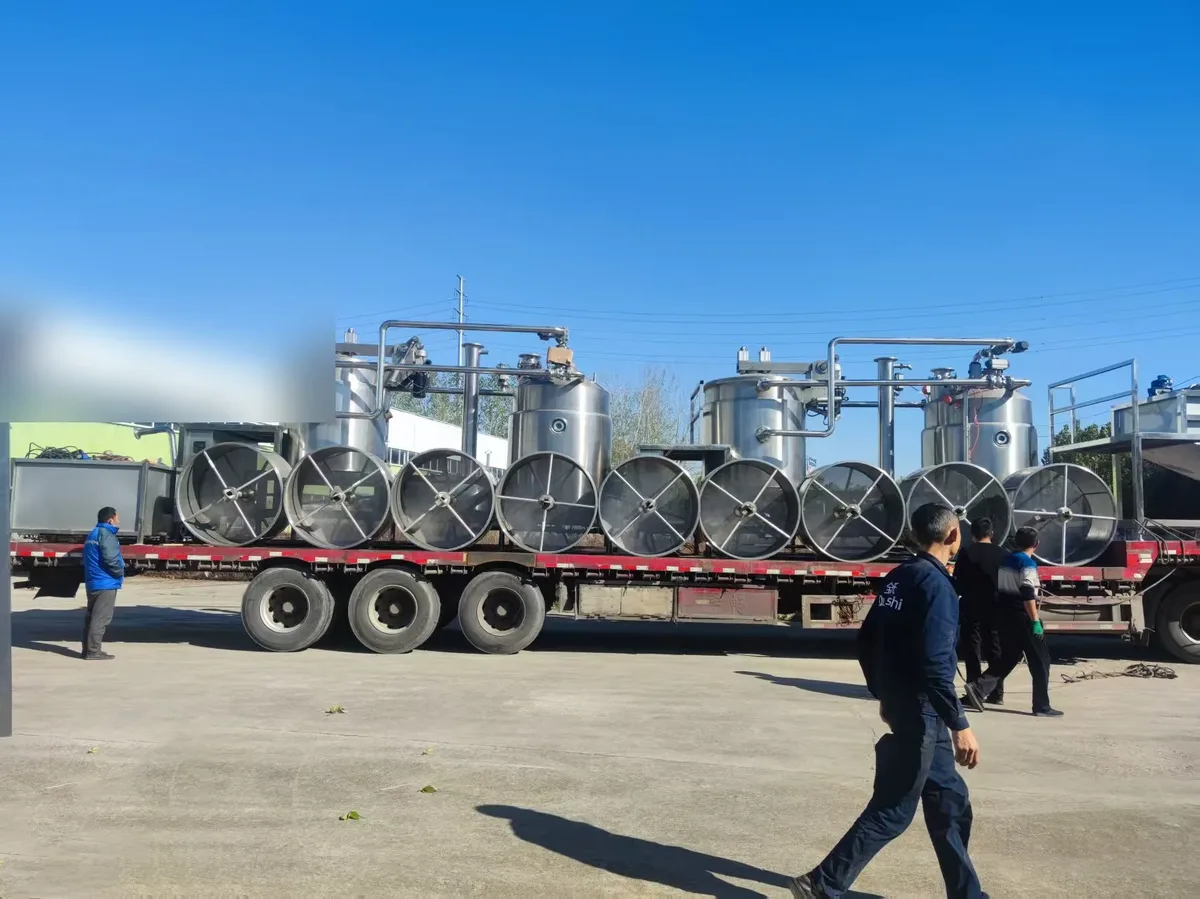
A single-product starter can begin on the QS-FD-20 and add capacity later. A factory supplying retail chains through the year needs the bigger tray area of the QS-FD-100 or QS-FD-200. Lead time is about three months, warranty one year — order around your harvest or launch date, not after it.
Mistakes buyers make most often
Most damage in a private label project comes from the same few oversights.
- Choosing a co-packer on price alone, without asking what the price leaves out.
- Sending a vague enquiry — "freeze-dried fruit, please quote" — and wondering why the quotes cannot be compared.
- Skipping the trial batch to save time, then finding the piece size is wrong at full volume.
- Treating a stock product with your sticker as private label, then finding you cannot change the recipe.
- Printing claims on the pack before checking the target market's rules.
- Sizing a dryer from a catalogue figure alone, without a trial batch of your own product.
Before you email anyone, write down the four lines from the third section: product, pack size, target market, monthly volume. Send them to two co-packers and one dryer supplier, and compare the replies on the same basis. That is the whole first step — and it costs nothing.
Frequently asked questions
Should I build my own freeze-drying line or use a co-packer?
Start with a co-packer while your volume is still a guess: you pay per batch and you can walk away if the product does not sell. Build your own line once monthly volume holds steady and you want control of the schedule, the recipe and the cost per pack. A dryer takes about three months from order to delivery, so it has to earn its keep for years, not one season.
What do I need before I contact a co-packer?
Four lines: your product (which food, cut how, in what form), your pack size, your target market, and your monthly volume. Add two more: who supplies the raw material, and your delivery address. A co-packer quotes on the whole job, not just the drying, so anything left out comes back as a question, or a surprise on the invoice.
Who supplies the packaging, me or the co-packer?
It varies by factory, so confirm it in writing before you pay anything. Some co-packers supply the pouches and labels as part of the price, others expect you to send them. The same goes for who approves the artwork and checks the claims printed on the pack against your target market's rules.
How do I compare two quotes?
Put both quotes on the same basis: price per kilo of finished, packed product, for the same pack size, delivered to the same place. One quote may price per kilo of fresh fruit in, the other per kilo of dried product out, and one may include the pouch while the other does not. Ask each supplier to break the price into raw material, drying, packing and freight.
Can I test my product before committing?
Yes — run a trial batch first. One tray of your own product shows you the piece size, the colour, the breakage and how the pieces pack. Ask to see the pieces before they are sealed, and ask what the trial costs. If you are buying a dryer, run the trial on the same model you plan to buy.
Talk to us about your freeze drying line
Tell us your product and target output — we will help you size the dryer. Explore the range on our freeze dryer page.
Specifications are for reference only and are subject to the final supplied equipment.