What private label means for vacuum fried snacks
Private label is a simple split of responsibilities: the brand owner brings the brand, the product idea, and the specification, while the contract manufacturer brings the factory and the production know-how. The finished snack carries your brand, made to your standard.
Vacuum fried snacks suit this model well. Ingredients fry under vacuum at 80–100°C, finishing crisp with an oil content below 18% — but the outcome depends on the details: raw material grade, cut size, pre-treatment, oil, and frying cycle. Two factories can make noticeably different snacks from the same process, which is why the specification, not the process name, is what you are buying.
What to agree before production starts
Most private label problems are not production accidents — they are points nobody agreed in writing before the first run. Settle the following before you order:
- Product specification: ingredient, cut size, pre-treatment, frying conditions, flavour, and finished-product standard.
- Raw material source: origin, grade, and the fallback if supply is unavailable.
- Sampling and approval: sample rounds included, who approves, and what counts as approval.
- Packaging: format, sizes, materials, and who supplies printed packaging.
- Labelling: artwork, label information, and who checks it against your market's regulations.
- Quality terms: inspection at dispatch, acceptance criteria, and the failed-batch rule.
- Minimum order quantity: confirm it in writing — it varies, so never assume a figure.
- Confidentiality: how your recipe, specification, and artwork are protected.
Get these answers in one written document, not scattered chat messages.
Product specifications: the detail that decides the outcome
A product specification is the contract between your idea and the factory floor: precise enough that a different operator, on another day, could make the same product from the document alone. What cannot be written down cannot be checked — and what cannot be checked cannot be guaranteed.
Raw material and preparation
Specify the ingredient type, grade, size range, and condition on arrival, then the preparation: washing, peeling, slicing dimensions, and pre-treatment such as blanching or soaking. Each step changes the finished snack — slice thickness changes frying time and crispness, pre-treatment changes colour and oil uptake — so each belongs in the specification.
Frying process
Vacuum frying runs at 80–100°C, well below open-frying temperatures, because the vacuum lets food fry at a lower temperature. Ask the manufacturer to record the frying temperature, vacuum level, frying time, and de-oiling step for your product, and to keep these settings fixed. On a QS vacuum fryer, a Delta PLC with an MCGS touchscreen controls and displays the process settings, so the same cycle is easy to record and repeat.
Finished-product standard
End with the finished product: appearance, colour, texture, flavour, pack weight, and oil content. Vacuum fried snacks are known for an oil content below 18%, but the figure for your product depends on the ingredient and the process, so agree your product's standard and how it is measured. Keep a retained sample from the approved batch as the physical reference.
Sampling and trial runs
Never approve a production order from a description alone. Sampling is where the specification meets a real product: the manufacturer makes a trial batch to your specification, sends samples, you test them, and you give written feedback or approval. Agree in advance how many sample rounds are included, who pays for samples and shipping, and what happens if the samples never reach the agreed standard.
Treat the trial run as a small version of real production: the sample should be made on the same equipment, with the same raw material grade, and packed the same way as production. When you approve a sample, approve it against the written specification and record the settings that made it.
Packaging and labelling
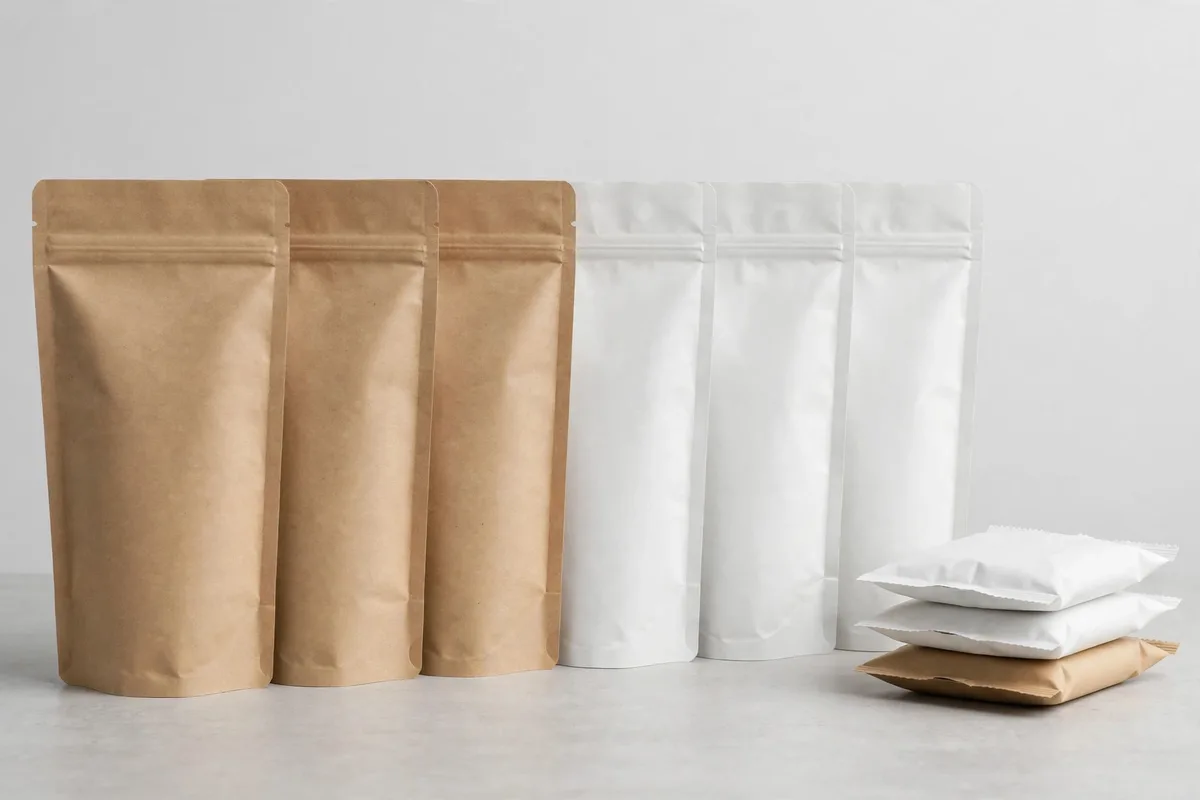
Packaging is part of the product, not an afterthought. The pack protects the snack from moisture and oxygen, carries your brand, and in many markets carries information the law requires. Agree the format — pouch, bag, jar, or box — the sizes, material, and sealing method before production, and confirm who supplies the printed packaging.
Artwork deserves its own step. Agree who prepares it, who approves the printed proof, and how many proof rounds are included. Approve a physical proof — not only a screen image — before packaging is produced in quantity.
Labelling is where many first-time brand owners are caught out. The label must carry what your target market requires — product name, ingredients, net weight, and other mandatory declarations — and be accurate for the product inside the pack. Check labelling against your target market's regulations; do not rely on the manufacturer to know the rules of a market they do not sell into. Never claim a certification, nutritional figure, or health benefit without proof.
Quality terms and confidentiality
A quality agreement turns good intentions into checkable steps: what is inspected, when, and against what standard — the raw material check on arrival, in-process checks during frying, finished-product inspection before dispatch, and acceptance criteria for each. Agree who inspects — the manufacturer's team, an independent inspector, or you.
Also agree what happens when a batch fails — usually rework, rejection, or a price adjustment, depending on the defect and your market. The rule must be written before the failure happens: a batch that fails its oil content, colour, or pack-weight standard should not ship while the two sides argue about what to do.
Confidentiality protects the other side of the relationship: agree in writing that the manufacturer will not share your specification, recipe, artwork, and brand, or sell the same product under another brand without your consent.
Batch size and equipment scale
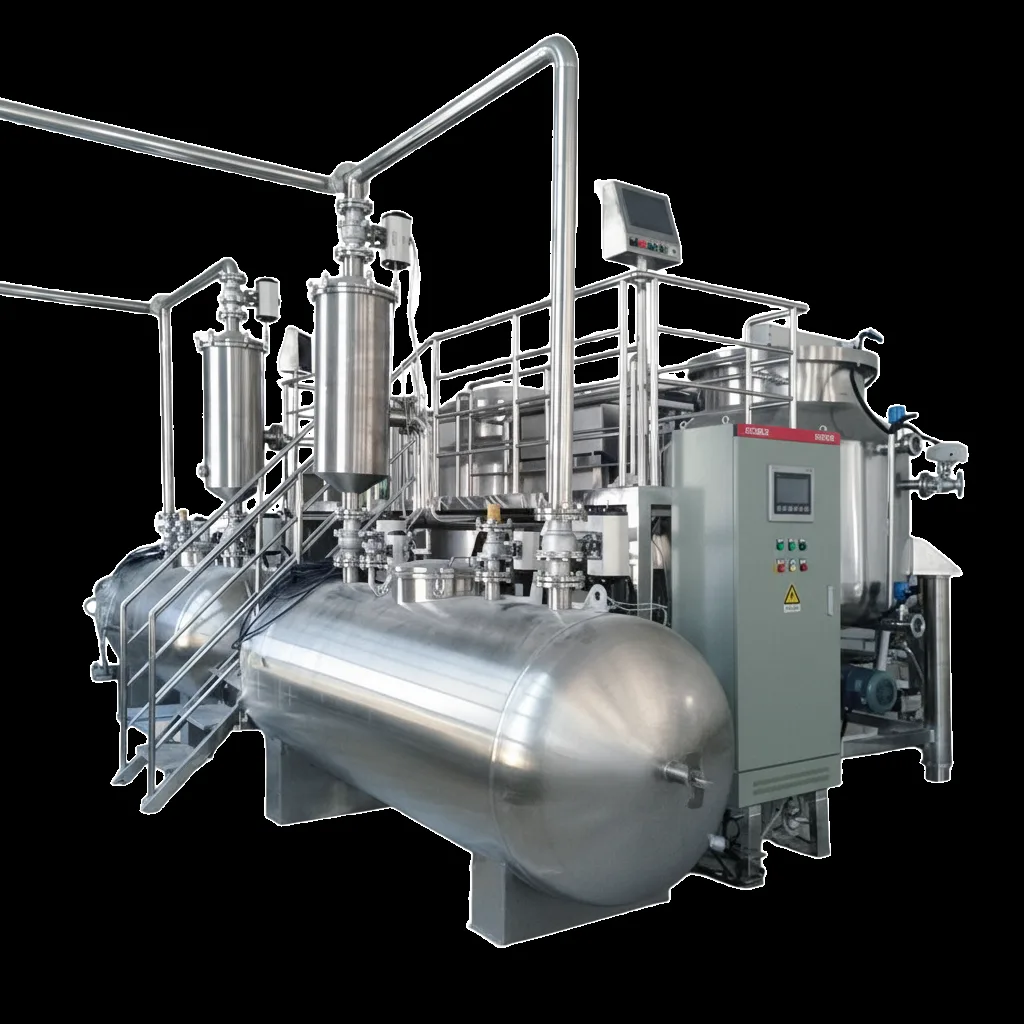
Batch size is the link between your order and the factory floor. A vacuum fryer produces a fixed weight per batch, so your order is filled in whole batches, and machine size shapes how many batches it takes. Ask which machine your order will run on — the answer affects lead time, consistency, and the smallest practical order.
QS vacuum fryer batch sizes
| Model | Batch size |
|---|---|
| QS-VF100 | 100KG/batch |
| QS-VF150 | 150KG/batch |
| QS-300 | 300KG/batch |
A small order on a large machine may be inefficient for the manufacturer — one reason minimum order quantities exist, so confirm yours in writing rather than assuming a figure. A large order on a small machine takes many batches, stretching the schedule and adding variation between the first and last batch.
The same batch sizes apply if you produce the snacks yourself: QS-VF100 at 100KG/batch, QS-VF150 at 150KG/batch, or QS-300 at 300KG/batch. QS vacuum fryers carry a 1-year warranty and have an approximate 3-month lead time — the equipment delivery lead time, not a private label production lead time.
Export packing and logistics
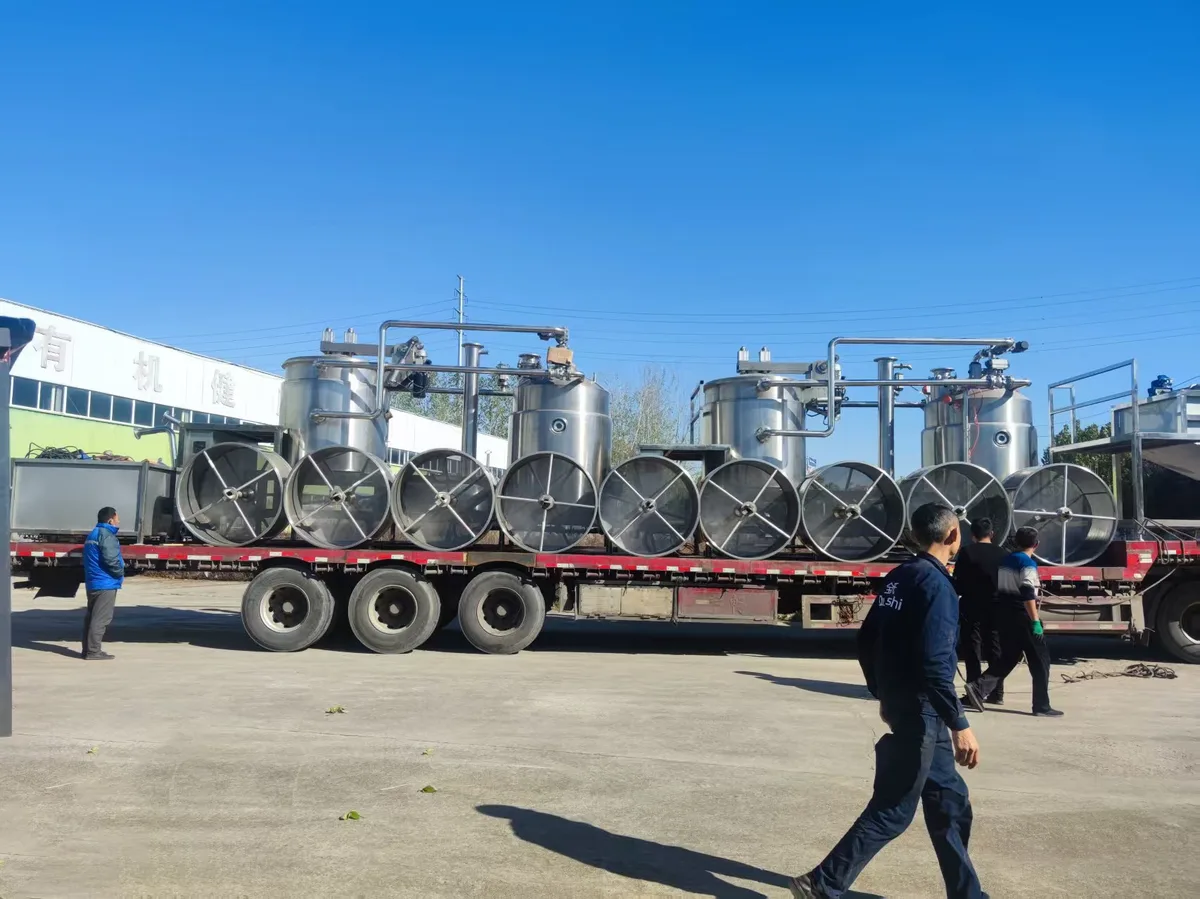
If your snacks are made in one country and sold in another, the export step needs the same attention as production. Agree the export packing: cartons strong enough for the journey, pallets where required, clear carton marks showing product, quantity, and destination, and protection against moisture. Vacuum fried snacks are light and crisp, so the pack must also protect them from crushing.
Documents travel with the goods. Confirm which export documents the manufacturer provides, which you or your forwarder must arrange, and who is responsible for each. Customs requirements differ by market, and a missing or incorrect document can hold a shipment at the border longer than production took.
Finally, plan timing around the whole chain, not only the factory: production, inspection, packing, and shipping all add up, and a delay in any one moves the delivery date. Ask for a realistic schedule from approved sample to goods received.
Pre-agreement checklist
Use this list in your first serious conversation with a manufacturer. If every item has a written answer, you are ready to talk about an order:
- Is the specification written, and has the manufacturer confirmed they can make it?
- Is raw material source and grade agreed, with a fallback plan?
- Are sampling steps, approval, and sample rounds agreed?
- Is the minimum order quantity confirmed in writing?
- Are packaging format, materials, and artwork approval agreed?
- Has the label been checked against your market's regulations?
- Are quality terms, inspection steps, and failed-batch rules agreed in writing?
- Is confidentiality agreed — recipe, specification, artwork, and brand protection?
- Is export packing, documentation, and the full delivery schedule agreed?
Private label works best as a partnership, not a one-off purchase. The manufacturer that answers these questions clearly and in writing is the one most likely to deliver the same product every time.
Frequently asked questions
What is private label for vacuum fried snacks?
Private label means a contract manufacturer produces vacuum fried snacks that carry your brand name, your packaging, and your product specification. You own the brand and set the requirements — product, flavour, pack size, and labelling — while the manufacturer runs production. Agree the specification, sampling, packaging, labelling, quality terms, and minimum order quantity in writing first.
What should I confirm with a manufacturer before a private label order?
Confirm the raw material source and grade, the frying process and its temperature window, the finished-product specification, the sampling and approval steps, the packaging and artwork process, the labelling and regulatory checks for your market, the quality agreement, and the minimum order quantity. Agree each point in writing before production.
How does batch size affect a private label order?
Batch size sets the smallest practical production run and how fast an order can be filled. A QS-VF100 fries 100KG per batch, a QS-VF150 fries 150KG per batch, and a QS-300 fries 300KG per batch, so machine size shapes how a manufacturer schedules your order. Ask which machine your order will run on, and confirm the minimum order quantity in writing.
Does Supreme Beast offer private label manufacturing?
Supreme Beast manufactures vacuum frying equipment, not finished snacks. This guide explains what a brand owner should confirm with a contract manufacturer that produces private label snacks. For your own production line, QS vacuum fryers run at 80–100°C, carry a 1-year warranty, and have an approximate 3-month lead time — the equipment delivery lead time, not a private label production lead time.
Plan your vacuum fried snack line
Tell us your snacks and target output — we will help you size the fryer. Explore the range on our vacuum fryer page.
Specifications are for reference only and are subject to the final supplied equipment.