Why site preparation decides your startup date
Site preparation is the installation project most buyers never schedule. A freeze dryer is no plug-and-play appliance: tens of kilowatts of power, large refrigeration heat to reject, several tons of steel, and engineers on site for commissioning — each a utility or building requirement that must exist before the machine arrives.
Most delayed startups follow one pattern: the machine arrives but the site is not ready — power undersized, cooling water missing, no drain point — and engineers can only work when utilities are live, so they wait, leave, and return at extra cost. Or the 3-month lead time is spent waiting instead of preparing, and the window is lost.
This guide covers power, cooling, floor space, ventilation, receiving and the master checklist. It companions our general installation-requirements overview, which handles staffing, safety, documentation and commissioning. Read that for the frame; use this as the engineering detail.
Power supply
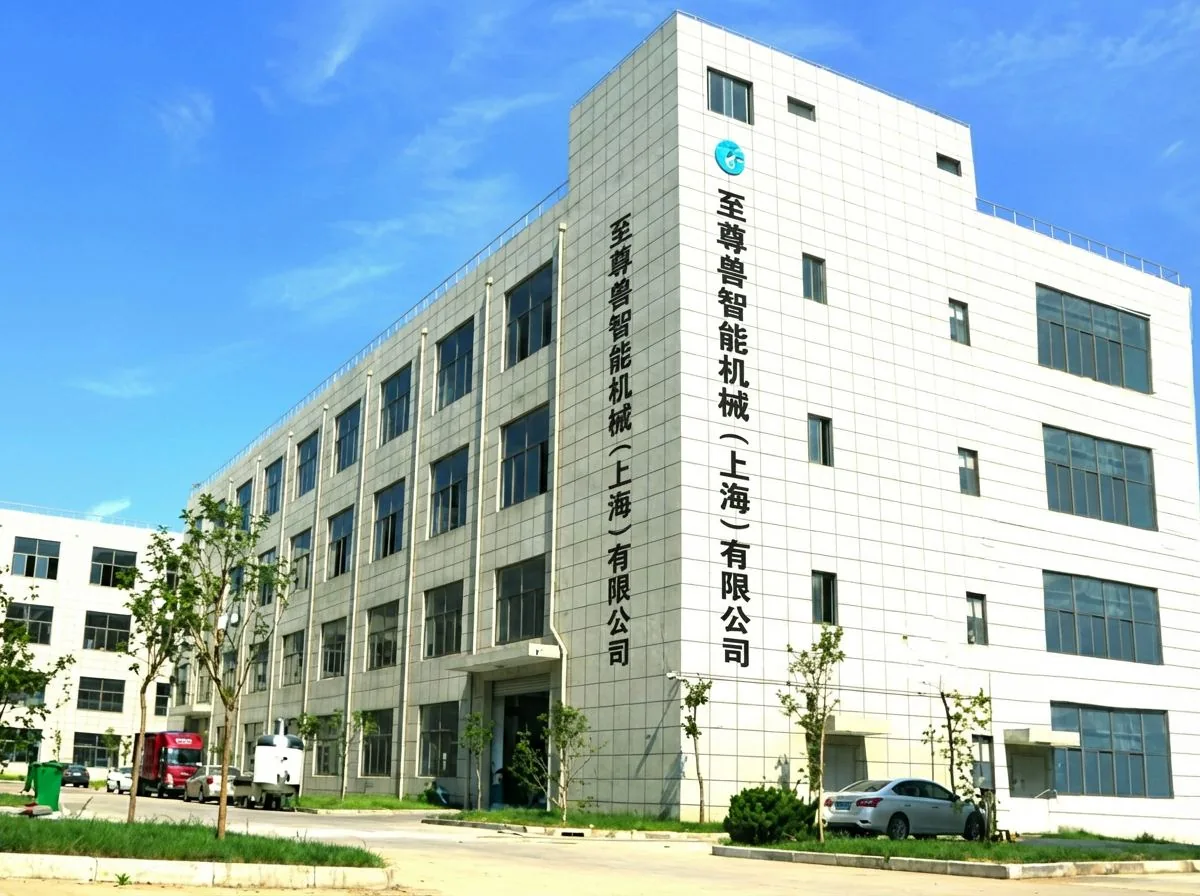
Power is the first utility to lock down, because everything else depends on it. The QS-FD-20 is rated at 35 kW nameplate; the QS-FD-100 and QS-FD-200 are each rated at 135 kW — the peaks the machine can draw at full load.
Nameplate is not the operating bill: equipment cycles with the process phases, so average draw over a full cycle is roughly 60% of nameplate. Size the supply from the nameplate figure; estimate energy cost from the average. Both figures come from the supplier's electrical load schedule.
- Dedicated circuit. The dryer gets its own circuit, independent of other heavy loads — shared circuits invite voltage dips when a neighbor starts a motor.
- Voltage stability. Compressors and the Siemens S7-200 PLC dislike brownouts and surges — a mid-cycle interruption can ruin a full batch.
- Proper grounding. Frame, cabinet and utility feeds share one grounding system — safety, and protection for the control electronics.
- Supply point at the machine location. The termination must be in place before the dryer arrives.
Do not size anything from this article. Cables, breakers and tolerances are model- and site-specific. Your electrician sizes from the supplier's electrical load schedule — undersized delays commissioning, oversized wastes money.
Cooling water and drainage
Cooling is the utility buyers most often forget. The two-stage refrigeration pulling the cold trap to −60 °C moves a large amount of heat that has to go somewhere. Depending on model and site, the dryer needs cooling water or an equivalent heat-dissipation arrangement — a design decision, not an afterthought.
- Cooling-water connection. If water-cooled, supply and return must be at the machine location before arrival: piping run, valves fitted, a shut-off the operator can reach. Build to the supplier's utility data sheet.
- Or the air-cooled equivalent. With air cooling or an external chiller, the heat-rejection equipment must be installed, connected and running before commissioning. Decide at order time — it changes the room design.
- Drainage points. Defrost water, cleaning water and condensate need somewhere to go. Provide a floor drain near the machine, sized for intermittent surges.
- Waterproof the wet zone. Use waterproof, chemical-resistant flooring with a slight fall toward the drain, and seal the wall-floor joints. Cheap to build in, miserable to retrofit.
Water quality counts too: hard or dirty water scales heat exchangers. Ask the supplier what the cooling circuit assumes, and treat or filter if your water does not meet it. No invented flow rates or pipe sizes — every figure comes from the supplier's utility data sheet.
Floor space and layout
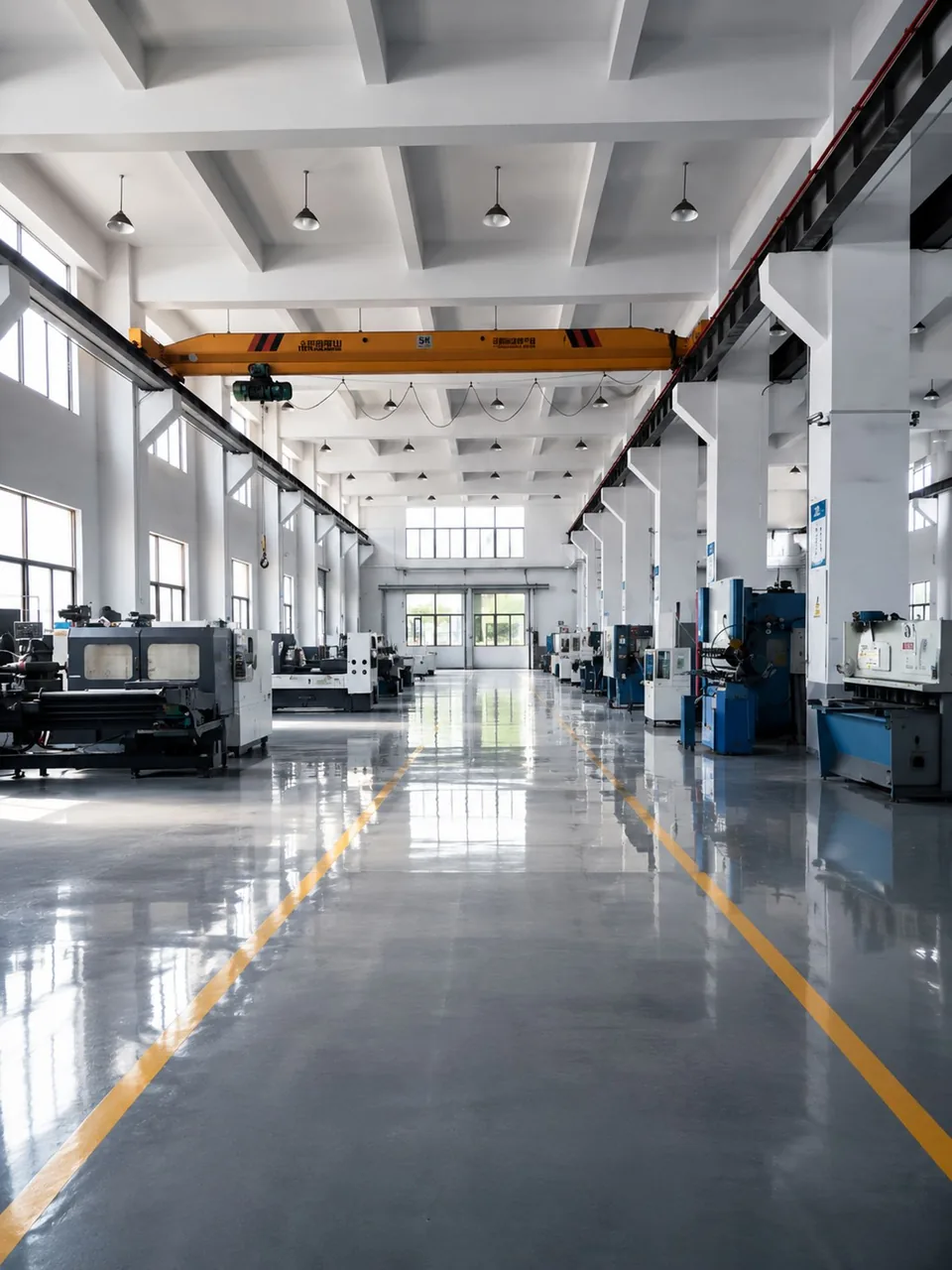
The machine footprint is the smallest part of the floor-space question. What you reserve is the footprint plus the working envelope around it:
QS-FD footprint reference (L × W × H)
- QS-FD-20 — 4500 × 1300 × 1400 mm, ~200 kg per batch
- QS-FD-100 — 7000 × 4000 × 2300 mm, ~1 ton per batch
- QS-FD-200 — 12000 × 4000 × 2300 mm, ~2 tons per batch
- All models: SUS304 square chamber, front-door loading, Siemens S7-200 PLC
- Service access on all working sides. Refrigeration units, vacuum pumps and control cabinets need reach for inspection and repairs. Leave clearance at every service panel.
- Front-door and tray-loading space. QS machines load through the front door. Reserve a clear zone for the door swing plus a tray trolley, with a straight path for loaded trolleys.
- Material flow. Map the route from receiving through pre-treatment, into the dryer, and out to packing — the shortest straight flow wins, and raw and finished product paths must not cross.
- Room for the auxiliaries. Tray trolleys, pre-freezing equipment, cleaning stations and spare parts all need floor area — budget them in the plan, not as surprises.
The dryer is heavy process equipment: ask the supplier for the total equipment weight and the floor-load requirement, and confirm the slab can carry it. Upper floors and mezzanines need a structural check by your building engineer. Never estimate floor loading yourself.
Ventilation and heat rejection
The dryer room is a warm room by design — manage it. Condensers, vacuum pumps and shelf heaters continuously reject heat. An enclosed, unventilated room becomes a hot box, and a hot room punishes the refrigeration system — the compressors work harder for the same −60 °C cold trap.
- Ventilate the room. Provide forced ventilation sized from the machine's heat output, which the supplier can give you. In hot climates this may mean a dedicated exhaust system.
- Hold ambient temperature within range. Confirm the maximum room temperature with the supplier and hold it year-round, including the hottest weeks.
- Keep the control cabinet breathing. The Siemens S7-200 cabinet has its own thermal limits — don't box it into an unventilated corner, and keep grilles accessible for cleaning.
Receiving, unloading and positioning
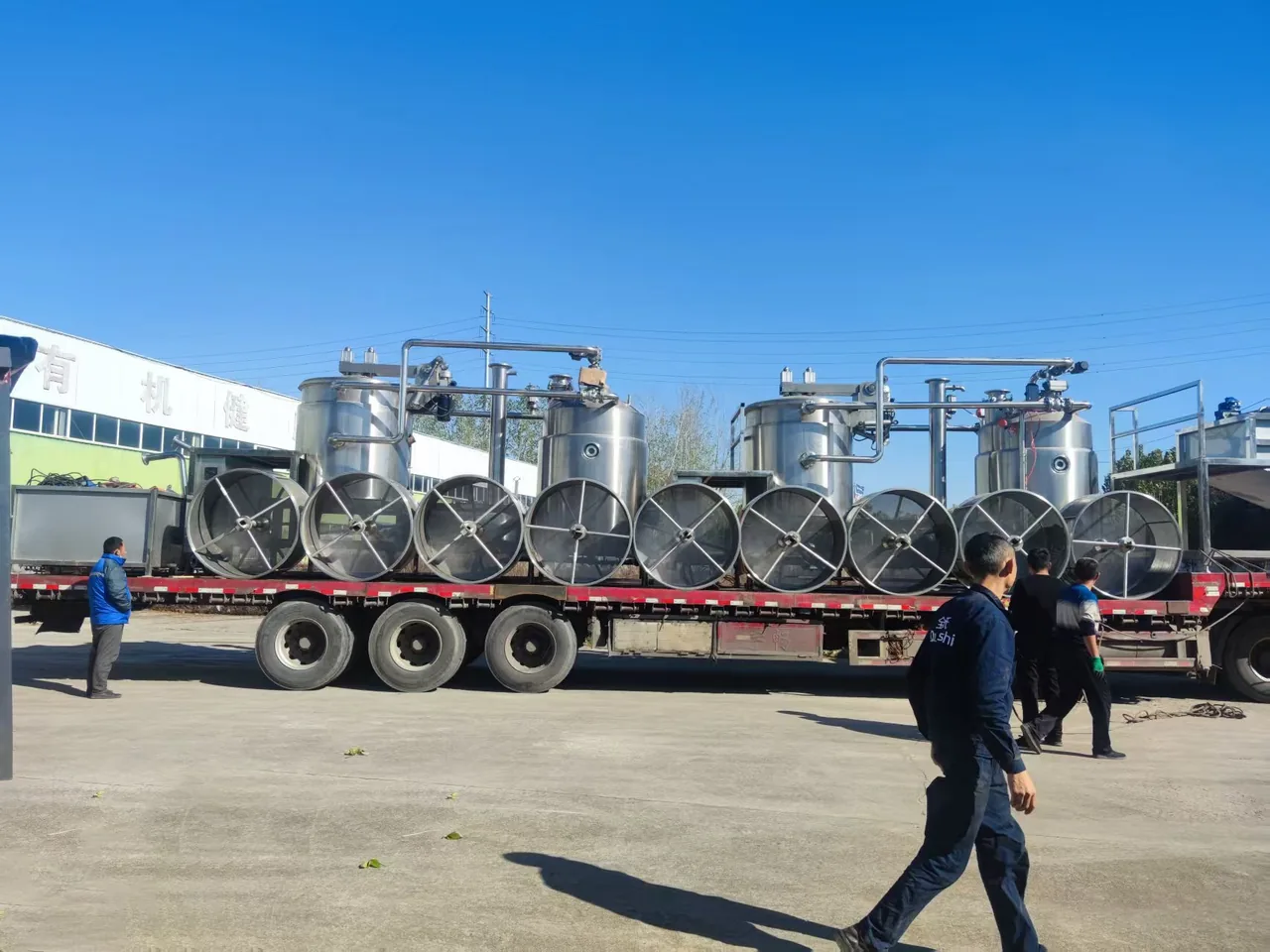
Delivery is a logistics project of its own: a QS-FD ships as large crates or assembled sections, and between the truck and the machine position lie gates, doorways, corridors, ramps and floor transitions. Check every one in advance.
- Confirm the delivery route. Get crate dimensions and weight from the supplier, then walk the route from the unloading point to the machine position and measure every doorway, turn and height restriction.
- Arrange lifting equipment. A forklift with enough capacity, or a mobile crane for larger sections, must be on site on delivery day — booked in advance with a certified operator.
- Prepare the set-down point. The machine position should be clean, level, marked out and protected. Position the machine once — moving it later around live utilities is difficult and risky.
- Unpack and inspect immediately. Check crates against the packing list, photograph everything, and inspect for damage before signing the delivery receipt.
Receiving inspection mirrors factory acceptance testing: the checks made when the machine leaves the supplier's floor are repeated when it reaches yours. Read our factory acceptance testing guide before the delivery date, not after.
Pre-installation checklist
Run through this list before the machine ships — every unchecked item is a potential commissioning delay:
Power
- Dedicated circuit from the supplier's electrical load schedule, terminated at the machine location
- Voltage stability confirmed; grounding tested
Water and drainage
- Cooling-water supply and return (or the agreed alternative) connected at the machine position
- Floor drain near the machine; waterproof flooring in the wet zone; water quality checked
Floor and layout
- Machine position marked out with service clearance on all working sides
- Tray-loading zone and material-flow route mapped and kept clear
- Floor load-bearing capacity confirmed from the supplier's weight data and your building engineer
Ventilation
- Room ventilation installed and running; maximum ambient temperature confirmed
Receiving and lifting
- Delivery route measured against crate dimensions; lifting booked with a certified operator
- Set-down point clean, level and marked; unpacking area prepared
People
- One person responsible for closing the utility data sheet against the building
- Operators assigned for commissioning; supplier training dates confirmed
Timeline: order to first batch
The honest timeline has two halves: the supplier's and yours. A dryer carries approximately a 3-month lead time from order to shipment. That clock is predictable.
Your half is the variable: installation and commissioning duration depends almost entirely on site readiness. A prepared site lets the engineer move straight through installation, connection, vacuum and refrigeration checks, and trial batches. An unprepared site stops at step one. Start the utility work when you place the order, not when the machine ships.
Plan backward from the shipment date: building works take weeks of contractor time, and contractors slip. Lock the delivery route and lifting booking early, and confirm the commissioning visit only after the checklist is complete.
Frequently asked questions
How much power does an industrial freeze dryer need?
QS-FD-20: 35 kW nameplate; QS-FD-100 and QS-FD-200: 135 kW. Average draw is roughly 60% of nameplate. Size the supply from the supplier's load schedule — never from a rule of thumb.
Do I need cooling water, or is air cooling enough?
The refrigeration and cold-trap system rejects a lot of heat, so it needs cooling water or an equivalent heat-dissipation arrangement. Confirm the requirement with the supplier's utility data sheet before building the room.
How much floor space should I reserve?
Start from the machine footprint and add service access on all sides, door swing, tray-loading room and a material-flow route. Footprints run from 4500 × 1300 mm to 12000 × 4000 mm — the service zone usually needs more room than the machine itself.
Can the dryer go on an upper floor?
Only after a structural check. Confirm load-bearing capacity, the lifting route up, and maintenance access — and have your building engineer sign off first.
What should be ready before the machine arrives?
Dedicated power terminated at the machine location, cooling water and drainage in place, a floor with confirmed load capacity, ventilation running, a clear delivery and lifting route, an unpacking area and assigned people.
Preparing your site for a freeze dryer?
Send us your site layout and planned capacity — we'll return the utility data sheet for the right QS-FD model and a site-preparation plan. See the range on our freeze dryer page.
Specifications are for reference only and are subject to the final supplied equipment.