Start from your target output
The most common sizing mistake is to start from the machine. The reliable order is the reverse: start from the orders you need to fill, and let those orders choose the machine. Write down the target first, in plain numbers, before looking at any model. How much finished product must leave the factory each day, and each week? Which products make up that total, and do they run on the same days or on separate days? Those answers are the sizing brief, and everything else in this guide works from them.
State the target the way your customers order it — finished packs per day or per week — not as raw material going in, because preparation trims weight and products lose different amounts of water in the fryer. Where a figure is not confirmed for your product, confirm with the supplier rather than assuming it. Also record the working pattern: shifts per day, working days per week, and planned downtime for cleaning and maintenance. A factory running one shift needs a very different machine from one running two shifts, even with the same weekly total.
Turn the target into batches
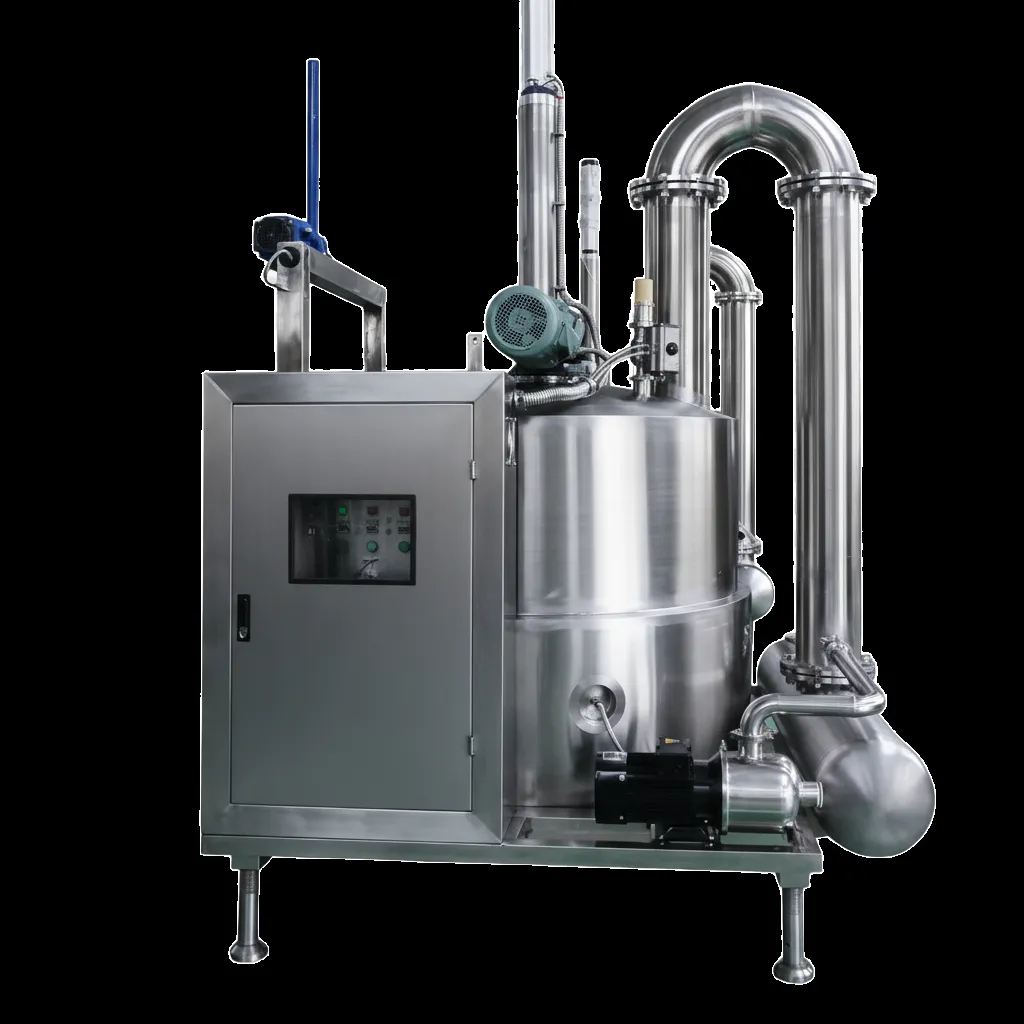
A batch vacuum fryer produces in batches, so the sizing question is always: how many batches per shift, and how large must each batch be? Divide the target output for a shift by the batch size of the machine you are considering. If the result is a whole number with a little spare capacity, the size fits the shift comfortably. If it forces an extra, half-empty batch, or leaves the line at full capacity with no margin at all, the size is wrong for that shift pattern, and either the batch size or the shift plan must change.
Build margin into the batch count deliberately. Real production includes product changeovers, cleaning between products, and the occasional delayed batch. A line planned at full capacity has nowhere to absorb those events, so a small delay becomes a missed shipment. A line planned with a little spare batch capacity absorbs normal variation without drama.
The three QS-VF batch sizes
The QS-VF series covers the range most buyers need with three batch sizes. The right choice is the smallest size that covers the batch plan above with sensible margin — not the largest machine available, and not the smallest one that only just copes.
QS-VF series — batch vacuum fryers
| Model | Batch size | Best suited to |
|---|---|---|
| QS-VF100 | 100 kg per batch | Startups and pilot production |
| QS-VF150 | 150 kg per batch | Established producers |
| QS-300 | 300 kg per batch | High-volume operations |
The QS-300 vessel measures 2600 mm high by 1600 mm in diameter, which matters when checking ceiling height and floor space, as covered below. All three models fry under vacuum at 80–100°C, and the finished product has a confirmed oil content below 18%.
Work through the batch plan for each size before deciding. A target needing four 100 kg batches per shift could also be three 150 kg batches with headroom to spare, or a single 300 kg batch with room to grow. Standard commercial terms are a 1-year warranty and an approximately 3-month lead time, so order while the current line still copes — a machine ordered after orders have already outgrown the old one arrives late by definition.
One large machine or two smaller ones
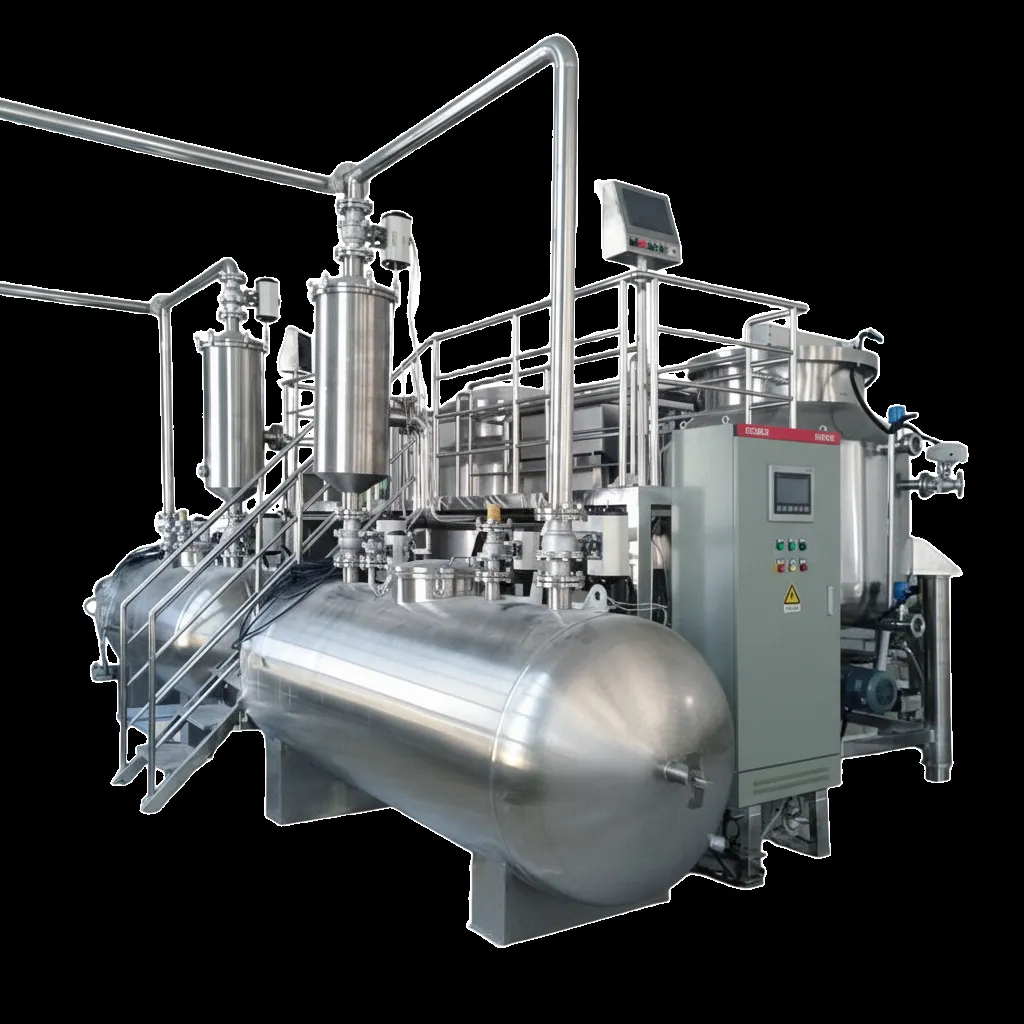
Sometimes the choice is not between sizes but between one machine and two. One larger fryer is usually simpler to run: one recipe to manage, one operator routine, one cleaning cycle, and one maintenance schedule. For a factory making one main product at steady volume, that simplicity is a real advantage, and it keeps training and spare parts straightforward.
Two smaller units buy flexibility and resilience. They can run different products at the same time, which matters when two products must ship on the same day and neither can wait. They also keep the factory producing when one unit is down for cleaning or maintenance — output drops, but it does not stop. Weigh this against your own situation: count how many products you run, how often two of them need the fryer on the same day, and how much downtime your customers will tolerate. If the answers are several products, shared days, and firm delivery dates, two units deserve serious consideration, even if a single larger machine looks cheaper on its own.
Leave room to grow
A fryer is a long-term purchase, and sizing it only for today's orders is the most expensive way to buy one. Growth does not have to mean doubling output; it can mean one new customer, one new product, or a seasonal peak lasting a few months. Any of those can push a tightly sized line over its limit. A machine sized with headroom absorbs that growth without a new capital decision.
How much headroom is sensible depends on how confident the growth is. If new orders are already in discussion, size for them. If growth is a hope rather than a plan, size for today's orders plus a modest margin, and make sure the layout leaves space for a second unit later. The goal is the smallest machine that covers today's batch plan plus realistic growth — not so much capacity that the machine sits idle.
Match the line around the fryer
A fryer never works alone. The line around it must keep pace, or the fryer will wait — and a waiting fryer produces nothing. Check each step against the batch size you have chosen.
Upstream: preparation must feed each batch on time
Preparation — washing, trimming, slicing, and any pretreatment your product needs — must deliver a full, ready batch by the time the fryer is ready for it. If preparation is slower than the fryer, the fryer stands idle between batches. Check preparation capacity in the same batch terms as the fryer: can it supply the batches per shift the plan requires? If not, preparation, not the fryer, sets the line's real output.
Downstream: de-oiling, seasoning, and packing must clear each batch
Downstream steps matter just as much. In-vacuum centrifugal de-oiling removes surface oil before the vacuum is released, seasoning is applied after de-oiling, and packing must clear each finished batch before the next one arrives. If packing is slower than the fryer, finished product piles up and the line slows to packing speed. Size downstream capacity for the same batches per shift as the fryer, with the same margin. A line is only as fast as its slowest step, so a fryer sized in isolation, without its neighbours, is a fryer sized wrong. Product should also move in one direction, from preparation through the fryer to packing, without crossing paths — crossed flows create congestion and slow handling on every batch.
Floor space and line layout
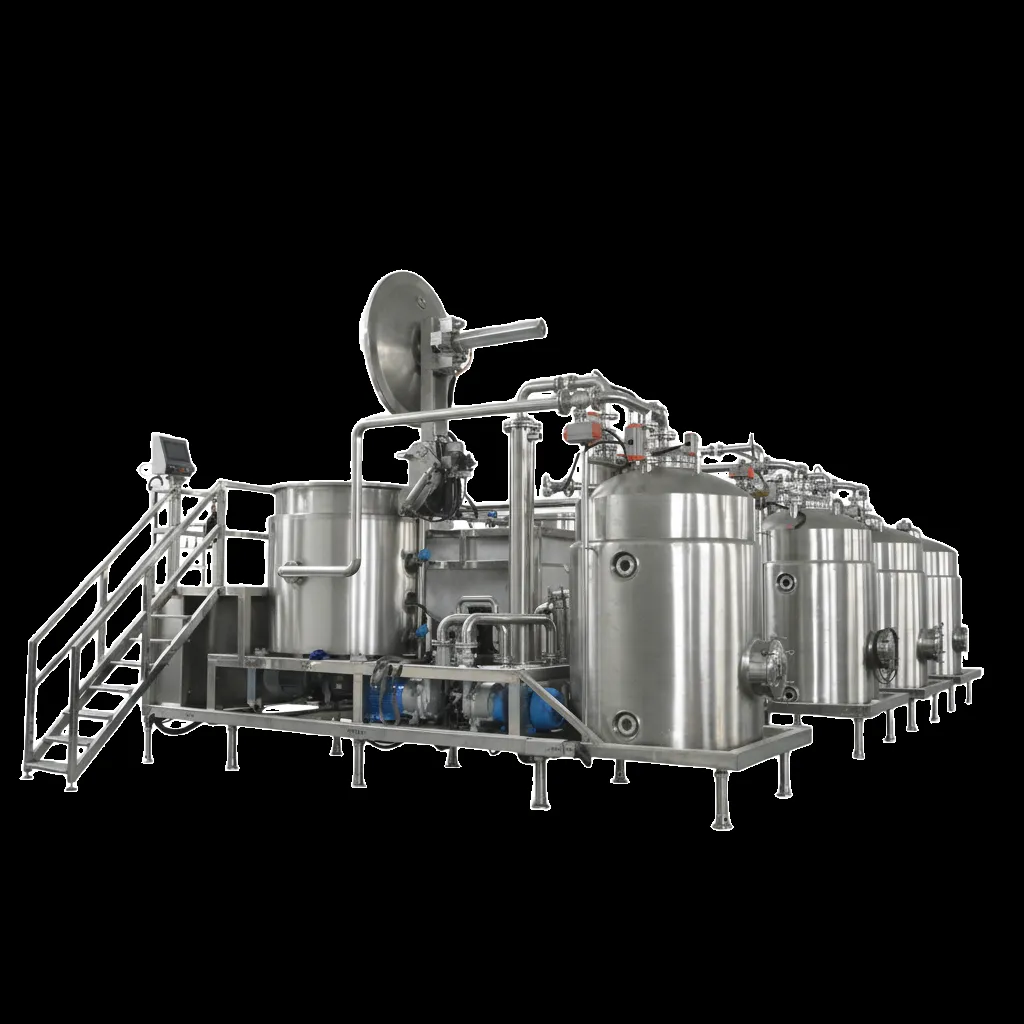
Floor space is a sizing factor in its own right, and the one most often discovered too late. Measure the room before choosing the machine, not after. Check the fryer's footprint, the space around it for operation, cleaning, and maintenance access, and the ceiling height — the QS-300 vessel alone is 2600 mm high, and the installed machine needs clearance above that. Confirm final dimensions and clearances with the supplier against your actual room, and against your final equipment specification.
Plan the layout as a line, not as a collection of machines. Place preparation upstream of the fryer and packing downstream of it, keep a clear aisle for moving product and for maintenance, and leave the growth space discussed above if you plan to add a unit later.
One control platform, recipes that transfer
One feature of the QS-VF series simplifies every sizing decision in this guide: all three models share the same control platform, a Delta PLC with an MCGS touchscreen. A recipe developed on a QS-VF100 transfers to a QS-VF150 or a QS-300 as volume grows, because the operator interface and control logic are the same. Moving to a larger machine does not mean relearning the process or rebuilding every recipe from scratch.
It also matters for a two-unit line: two machines on the same platform mean one training programme and operators who can move between units without retraining.
Specifications are for reference only and are subject to the final supplied equipment.
Frequently asked questions
How do I work out how many batches I need per shift?
Divide your target output for the shift by the batch size of the machine you are considering. If the result is a whole number with a little spare capacity, the size fits. If it leaves you running at full capacity with no margin for a delayed batch or a product changeover, consider the next size up.
Should I buy one larger fryer or two smaller ones?
One larger fryer is usually simpler to run, with one recipe, one operator routine, and one cleaning cycle. Two smaller units give flexibility: they can run different products at the same time, and one unit can keep producing while the other is cleaned or maintained. Choose the arrangement that matches how many products you run and how much downtime you can tolerate.
How much growth headroom should I allow when sizing?
Allow enough headroom that a realistic increase in orders does not force you to buy again within a short time. A machine sized only for today's orders leaves no room for a new customer, a new product, or a seasonal peak. Balance that against the cost of idle capacity, and confirm the final layout with the supplier so the line can grow without being rebuilt.
What else in the line must match the fryer's capacity?
Everything before and after the fryer must keep pace with it. Upstream preparation must supply each batch on time, and downstream de-oiling, seasoning, and packing must clear each batch before the next one is ready. If either end is slower than the fryer, the fryer waits, and the line produces at the speed of its slowest step.
Size your vacuum frying line
Tell us your target output and which products you make — we'll help you work from batches per shift to the right QS-VF batch size and line layout. Explore the range on our vacuum fryer page.
Specifications are for reference only and are subject to the final supplied equipment.