Electrical: heating, vacuum and controls
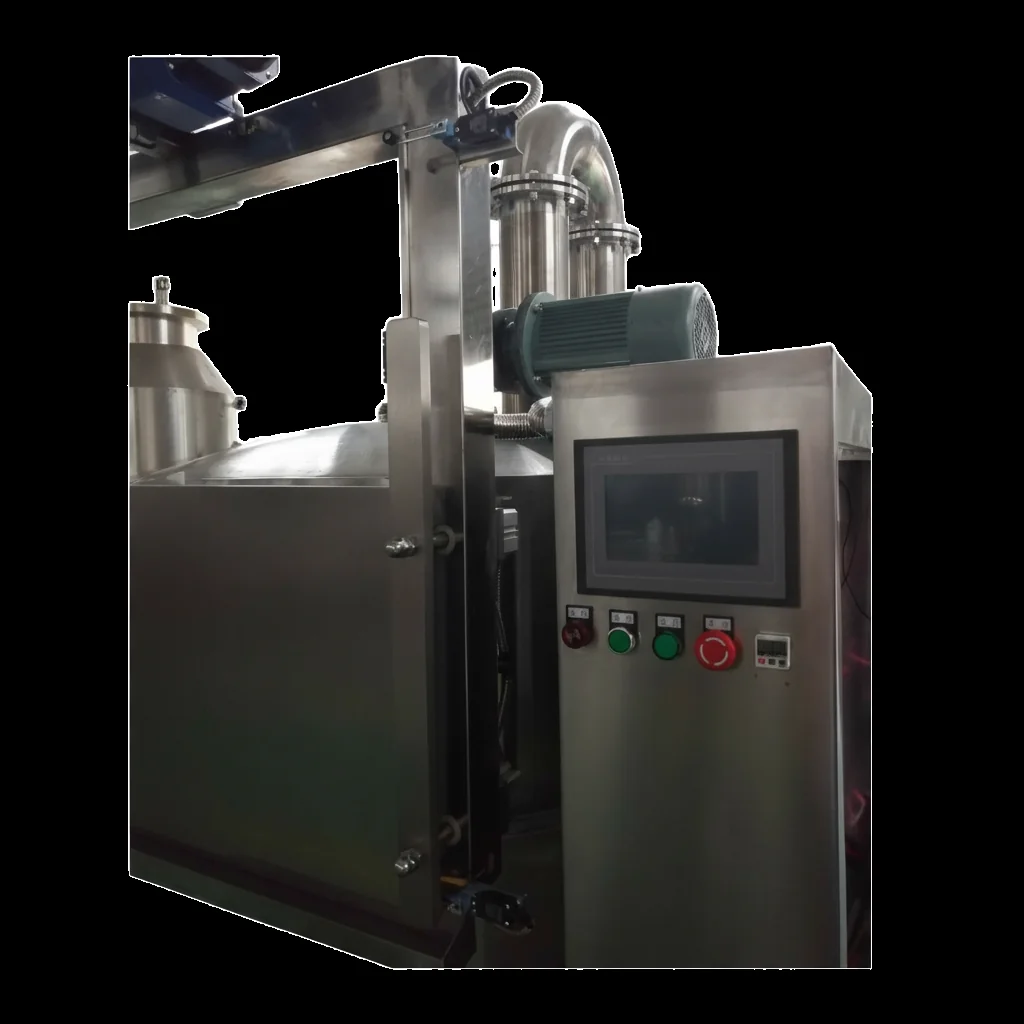
A vacuum fryer is an electrically hungry machine: the heating system is the biggest load, followed by the vacuum pumps, the de-oiling centrifuge drive and the control system. The honest guidance here is simple — get the numbers from your supplier before you order, because the exact load depends on the model and batch size:
- Ask for the electrical load schedule and motor list. Every serious supplier provides one: rated power per circuit, supply voltage and frequency, and the recommended breaker and cable sizes. If a supplier cannot produce this document, treat it as a red flag.
- Check your available capacity. Compare the schedule against your building's supply — spare breaker capacity, transformer headroom and the stability of your voltage. Frying at 80–100 °C depends on steady heating; voltage dips show up as temperature swings.
- Give the fryer its own circuit. Do not share the fryer's supply with other heavy equipment that starts and stops unpredictably. A dedicated breaker and cable run is cheap insurance for temperature stability.
- Have a qualified electrician make the final connection to local code, including proper grounding of the stainless steel frame and the control cabinet.
The control side is the part you interact with daily: QS vacuum fryers run on a Delta PLC with an MCGS touchscreen, so recipes are stored and repeated rather than re-entered by hand. That consistency is part of what makes batch-to-batch oil content and color repeatable.
Floor space, layout and ceiling height
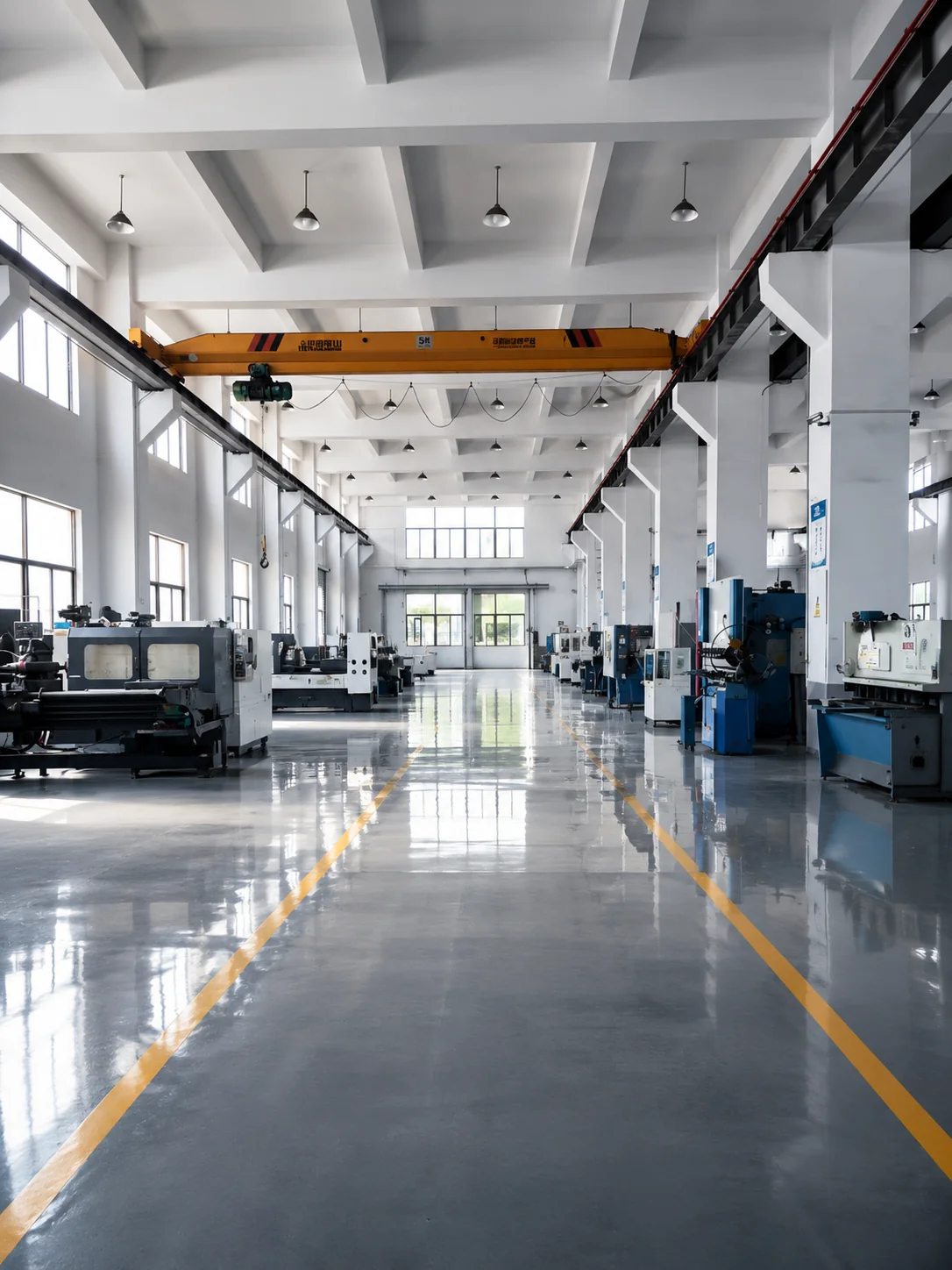
Buyers consistently underestimate the space a fryer needs — the machine's own footprint is only the beginning. As a reference, the QS-300 vessel measures 2600 mm (H) × 1600 mm (D), and the complete line adds the oil tank, the condenser system and the control cabinet around it.
- Working clearance around the vessel: leave room for the loading basket to swing in and out, for the hoist to lift it, and for operators to move safely with hot product. A vessel you cannot walk around is a vessel you cannot maintain.
- Ceiling height for the hoist: the basket-loading hoist needs vertical travel above the vessel — check the supplier's layout drawing for the required clear height before committing a low-ceiling room.
- Delivery path: measure every doorway, corridor and turn between the truck and the installation spot. Stainless steel vessels do not bend around tight corners, and discovering this on delivery day is expensive.
- Floor strength: a fryer filled with oil and product is heavy. Confirm with your supplier the operating weight of the filled machine and check it against your floor's load rating — ground floors are usually fine; mezzanines need an engineer's sign-off.
- Maintenance access: pumps, valves and the condenser need hands and tools around them. Leave the clearances the layout drawing specifies, not just what fits today.
Cooling water for the vacuum system
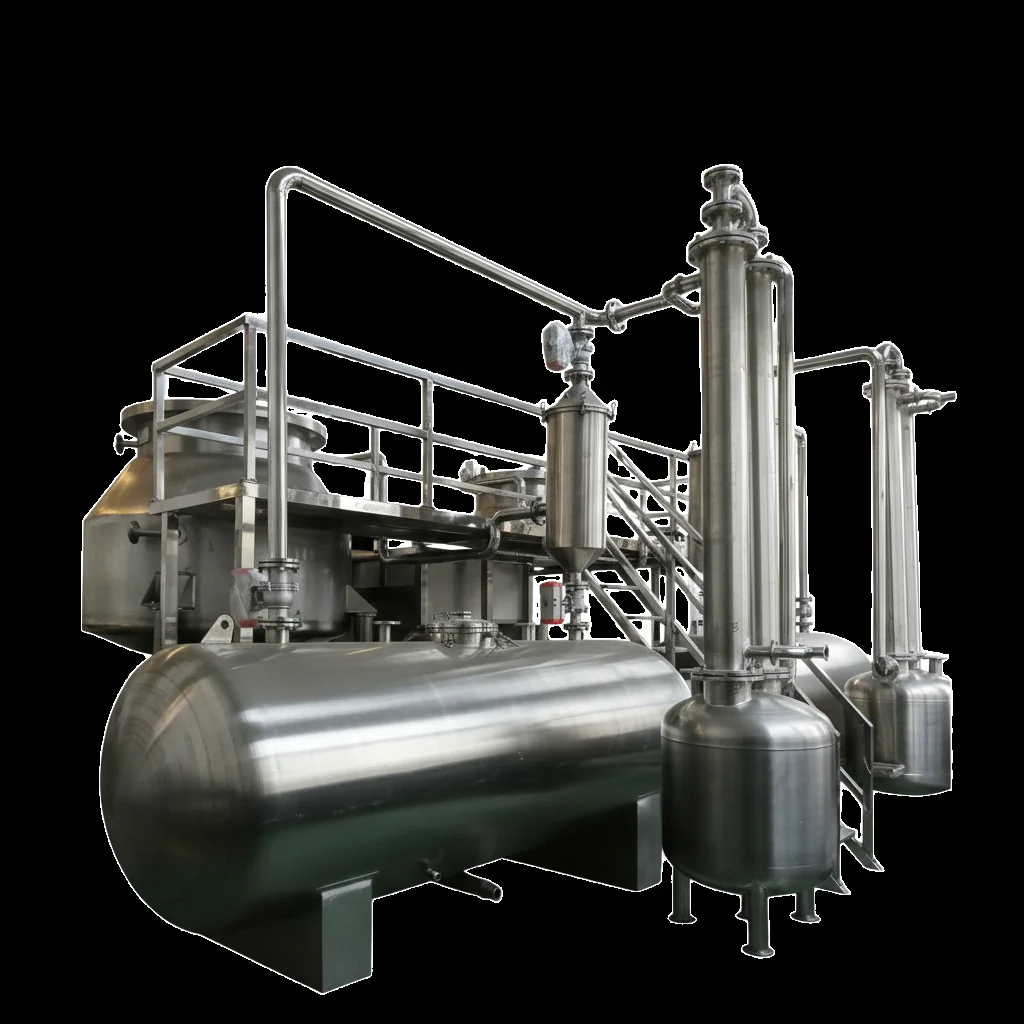
The vacuum system includes a condenser that captures the water vapor boiled off the product. That condenser needs circulating cooling water to do its job — without it, vacuum levels drift and frying suffers. How you supply it depends on your site and production pattern:
- Recirculating tank: the simplest setup for pilot or intermittent production — a tank, a pump and periodic water replacement.
- Cooling tower: the common answer for continuous production, rejecting heat to the air so the loop stays at temperature all day.
- Chilled-water loop: if your plant already runs chilled water for other equipment, the fryer can often tie into it.
Whatever you choose, confirm the flow rate and temperature requirements with your supplier, keep the water clean (scale and debris in the condenser are a slow-motion failure), and plan where the drain and make-up water connections go. In regions with very hard water, ask about treatment — the condenser is not the place to discover your water chemistry.
Compressed air, drainage and ventilation
Three smaller utilities that cause outsized headaches when forgotten:
- Compressed air: many batch vacuum fryers use pneumatic valves and cylinders in the loading and discharge system. If your model needs instrument air, confirm the pressure and flow with your supplier — a small dedicated compressor with an air dryer is the usual answer. Dirty or wet air sticks valves; do not feed the fryer from an unfiltered shop line.
- Floor drainage: washdown water, condensate and the occasional oil spill all need somewhere to go. Slope the floor to trapped drains, and check local regulations on oily wastewater — a simple oil-water separator at the drain is standard practice in food plants.
- Ventilation: the fryer releases heat and a little vapor into the room. Roof or wall ventilation keeps the working environment bearable and protects the control cabinet's electronics from heat and condensation. In tropical plants, this matters more than buyers expect.
Site checklist before the machine ships
QS vacuum fryers ship on approximately a 3-month lead time with a 1-year warranty — which gives you a comfortable window to prepare the site properly. Use it:
Pre-delivery site checklist
- Layout drawing received from the supplier, with overall dimensions, utility connection points and clearances — mark the full zone on your floor in tape.
- Electrical: dedicated breaker and cable sized to the load schedule; electrician scheduled for connection week.
- Cooling water: supply loop or tower sized to the condenser's flow and temperature spec; drain and make-up points in place.
- Delivery path measured: doorways, corridors and turns checked against the largest crate dimension.
- Lifting plan: forklift or crane capacity confirmed for the heaviest crate, with access to the installation spot.
- Commissioning materials: raw material, frying oil and packaging agreed with the supplier for the trial run.
- Division of labor in writing: who provides the electrician, the lifting equipment and the commissioning materials — agreed before shipment, not on delivery day.
The QS vacuum fryer line scales in three batch sizes — QS-VF100 (100 kg per batch), QS-VF150 (150 kg per batch) and QS-300 (300 kg per batch) — so the utility numbers grow with the vessel. Our vacuum fryer selection guide and installation and operation basics pair well with this checklist.
Frequently asked questions
Can I install a vacuum fryer in my existing food workshop?
Usually yes, if the workshop can supply the utilities: sufficient electrical capacity for the heating and vacuum system, enough floor space and ceiling height for the vessel and its hoist, cooling water for the condenser, and floor drainage. Ask your equipment supplier for the layout drawing and utility list, then check each item against your building.
What electrical supply does a vacuum fryer need?
A vacuum fryer draws significant power for heating, plus the vacuum pumps, de-oiling centrifuge and controls. The exact load depends on the model and batch size, so request the supplier's electrical load schedule and motor list before ordering, confirm your supply voltage and available breaker capacity, and have a qualified electrician make the final connection.
Does a vacuum fryer need a cooling tower?
The vacuum condenser system needs circulating cooling water, and how you provide it depends on your site. A cooling tower is one common solution for continuous production; a chilled-water loop or a simple recirculating tank can suit smaller or intermittent operation. Confirm the cooling water flow and temperature requirements with your supplier.
How much floor space does a vacuum fryer need?
Plan for more than the machine's own footprint. As a reference, the QS-300 vessel measures 2600 mm (H) x 1600 mm (D), and the complete line adds the oil tank, condenser and control cabinet — plus working clearance for the loading basket, the hoist, operator movement and maintenance access. Use the supplier's layout drawing to mark out the full zone on your floor before the machine ships.
Does a vacuum fryer need compressed air?
Many batch vacuum fryers use pneumatic valves and cylinders in the loading and discharge system, which need clean, dry instrument air. Confirm with your supplier whether your model requires it, and at what pressure and flow — if it does, a small dedicated compressor with a dryer is the usual answer.
Who installs the vacuum fryer — me or the supplier?
The buyer prepares the site (utilities, foundation if required, positioning), and the supplier's engineers normally handle installation supervision and commissioning. Agree the division of labor in writing before shipment: who provides the electrician, the forklift or crane, and the commissioning raw materials for the trial run.
Planning a vacuum fryer installation?
Send us your workshop drawings — we'll help you check the utility requirements against the right model. See the full range on our vacuum fryer page.
Specifications are for reference only and are subject to the final supplied equipment.