What "moisture control" actually means for a fried snack
Fresh fruit and vegetables are mostly water. Vacuum frying drives that water out at 80–100°C, low enough that the pieces keep their colour and flavour instead of browning hard. What is left is a dry, crisp structure, with oil taking the place of some of the water. Run the process well and the finished oil content stays under 18%.
Moisture control means two things. First, getting enough water out during frying. Second, keeping water out afterwards. A chip that leaves the fryer dry can still go soft in a damp room, on a slow packing line, or in a bag that does not seal properly. The buyer does not care where the moisture came from. They open the bag, bend a chip, and judge the whole factory on it.
So the work is spread across the whole line. No single dial fixes it. Slicing, loading, frying, de-oiling, cooling and packing each add or remove a little moisture, and the batch is only as dry as its weakest step.
Where moisture is decided before frying
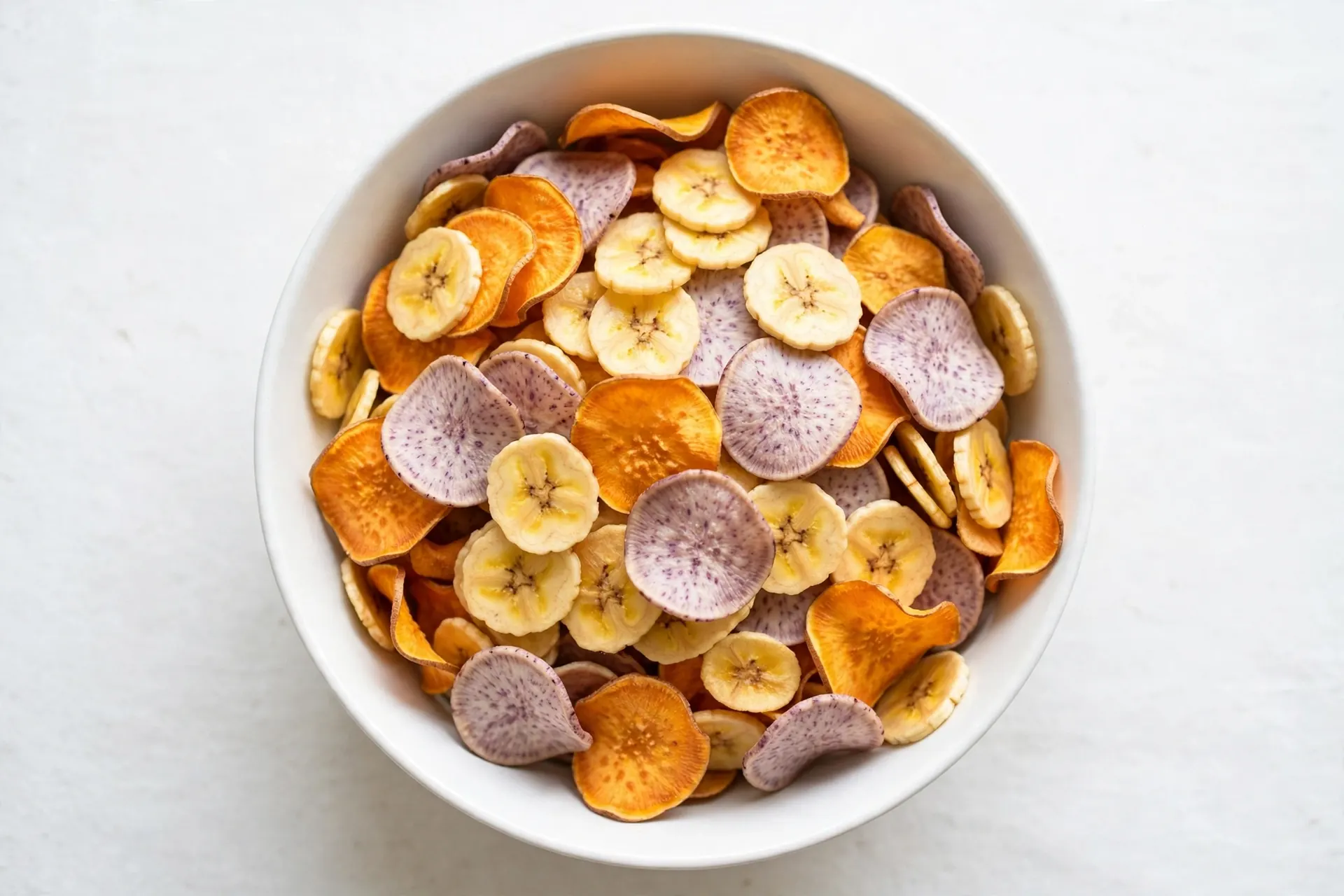
Half the result is decided before the fryer lid closes. Raw material that goes in uneven comes out uneven, and no frying setting rescues it.
Sort first. Overripe pieces hold more water than firm ones, and they fry at a different rate. Sort by ripeness and by size, and keep one ripeness per batch. A bruised piece dries darker and softer than the rest, and one bad piece in a pack is what the buyer remembers.
Then slice to one even size per batch. Pieces of different sizes lose water at different rates: thick pieces stay damp in the middle while thin ones turn brittle. Keep the cut consistent within a batch, and cut to the size that suits the use — larger for snack packs, smaller for toppings. When a batch comes out half damp and half brittle, the slicer is usually the first place to look.
Some products benefit from a short blanch before frying. It depends on the product — blanching suits some fruits and vegetables and does nothing for others — so check with your supplier or run a trial batch before making it a routine step.
Pre-freezing is a different question. It is an optional variant for some products, such as strawberries or chips and fries, where a frozen piece holds its shape better in the fryer. It is not a default step, and most products fry well without it.
Load the fryer in a single layer, with space between the pieces so oil and vapour can move around each one. Pieces that touch or overlap fry unevenly and stick together. Do not overload the basket: a basket packed too full slows water removal for the whole batch, and the pieces in the middle stay damp while the ones on the outside finish.
During frying: low heat, even loading
Vacuum frying works at 80–100°C, far below open frying temperatures. Under vacuum, water leaves the pieces at a lower temperature, so colour and flavour survive the process instead of turning cooked or caramelised. That low heat is the whole point of the machine, and it is also why moisture control matters more here than in a hot open fryer: water leaves gently, so it needs time and space to get out.
Load the fryer evenly and do not overload it. An overloaded basket is the most common cause of a damp batch, because the pieces in the centre cannot lose water as fast as the pieces on the outside. The batch finishes when the slowest piece finishes, not the fastest one.
Watch the batch, not the clock alone. Every product behaves differently — a starchy root and a soft fruit do not lose water at the same rate — so a trial batch of your own product tells you more than any general setting. Fry a small test batch first, break a few pieces by hand, and only then set the routine for full production.
De-oiling and cooling
Frying is only half the job. What happens after the fryer stops decides how much oil stays on the pieces — and oil on the surface holds moisture against the chip.
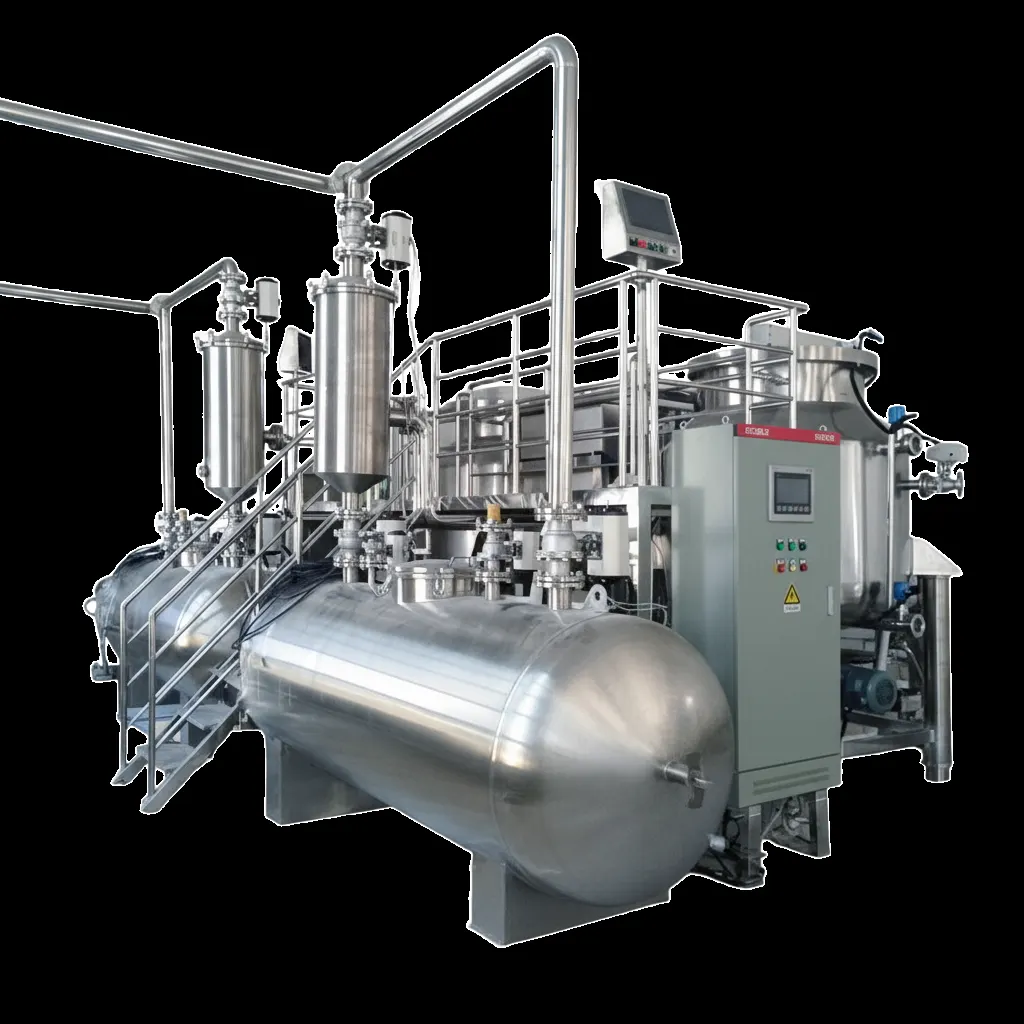
Centrifugal de-oiling happens inside the chamber: the basket spins while the chamber is still under vacuum, throwing oil off the pieces before air gets back in. This is where the finished oil content is decided. A batch that is de-oiled properly finishes with oil content under 18%. Skip the spin, or cut it short, and the pieces come out greasy — and greasy pieces soften faster, because the oil film traps moisture at the surface.
Then cool the chips in dry conditions. Hot chips pull moisture straight out of humid air, so letting a fresh batch sit in a damp room is like putting it back in water. Move the chips to a dry room and do not leave them piled in a heap while they cool — a heap stays warm and damp in the middle long after the outside feels dry.
Packing promptly
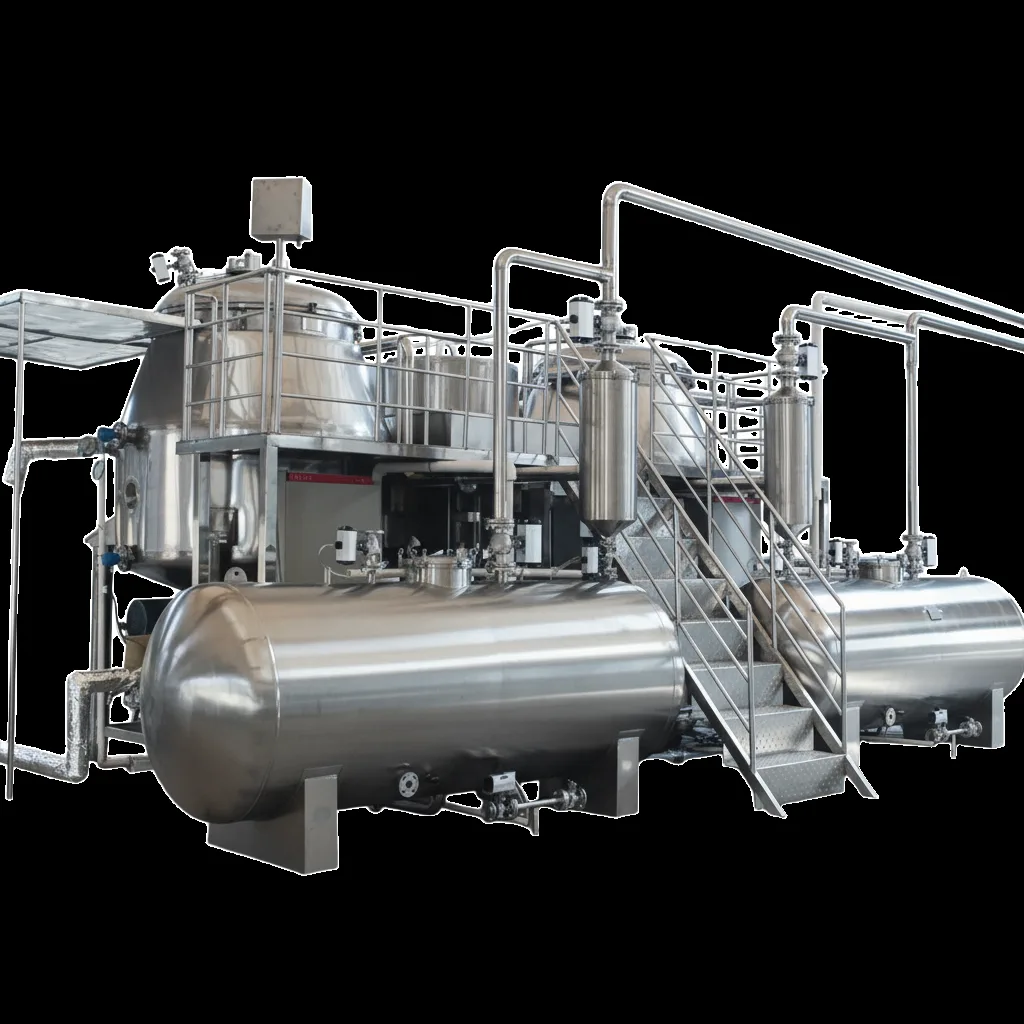
Pack as soon as the chips are cool. The longer finished chips sit open, the more moisture they take up from the air — even in a room that feels dry to you. A packing line that stops and starts, leaving trays of chips open for an hour, will show up in the bags.
Pack in sealed bags or pouches that keep moisture out, and check the seal on every batch. A weak seal is a slow leak: the chips look fine on the day they leave the factory and go soft on the shelf. Handle the finished pieces gently too — they are crisp and break easily, and broken pieces expose fresh surface that takes up moisture.
How to check it
You do not need a lab to spot a moisture problem. You need a scale and a notebook.
Weigh a sample of raw slices, then weigh the same batch after frying. The weight lost is mostly water. Write the two numbers down and compare them batch to batch. A batch that loses less weight than usual probably kept more water, and that is your signal to look at the slicing, the loading or the de-oiling before the next batch runs. It is a rough check, not a precise number — but it catches a bad batch fast, and it costs nothing.
For a real number, send a sample to a lab for a moisture test. The target depends on the product and the buyer's specification, so confirm it with a lab or your supplier rather than guessing a figure. What matters is that you test the same way every time, so the numbers are comparable from one batch to the next.
When a batch goes soft
Most soft batches come from the same few causes. Work through them in order, starting with the cheapest fix.
- Uneven slices, so thick pieces stay damp inside while thin ones turn brittle.
- An overloaded basket, so the pieces in the middle cannot lose water as fast as the rest.
- De-oiling cut short, leaving oil on the surface that traps moisture.
- Damp air after frying, from cooling or holding the chips in a humid room.
- Slow packing, leaving finished chips open to the air for too long.
- A weak bag seal, letting moisture creep in after the pack leaves the factory.
On your next batch, weigh a sample before frying and after, and write the two numbers down. Do the same on the batch after that. Two numbers per batch is all it takes to see whether your moisture is steady or drifting — and once you can see it, you can fix it before the buyer does.
QS vacuum fryer models
| Model | Batch capacity | Vessel |
|---|---|---|
| QS-VF100 | 100KG/batch | — |
| QS-VF150 | 150KG/batch | — |
| QS-300 | 300KG/batch | 2600mm (H) x 1600mm (D) |
- Frying temperature: 80–100°C under vacuum.
- Finished oil content: under 18%.
- De-oiling: centrifugal, inside the chamber.
- Warranty: 1-year warranty; lead time approx. 3 months.
Frequently asked questions
Why did my chips go soft after packing?
The chips picked up moisture after frying, most often in a damp room or on a slow packing line, or the seal let air in. Pack promptly in a dry room and check the seal on every batch.
How do I check moisture without a lab?
Weigh a sample of raw slices, then weigh the same batch after frying. Compare the weight loss batch to batch: a batch that loses less weight than usual probably kept more water. It is a rough check, not a precise number, and it catches a bad batch fast.
Does slicing thickness affect moisture?
Yes. Uneven slices dry at different rates, so thick pieces stay damp inside while thin ones turn brittle. Cut to one even size per batch and keep the cut consistent.
Is pre-freezing needed before vacuum frying?
No, not as a rule. Pre-freezing is an optional variant for some products, such as strawberries or chips and fries. Most products fry well without it, so ask your supplier or run a trial before adding the step.
How do I know if my batch is dry enough?
Check it two ways: the weigh-before-and-after comparison for batch-to-batch consistency, and a lab moisture test for a real number. The target depends on the product and the buyer's specification, so confirm it with a lab or your supplier.
Talk to us about your vacuum frying line
Tell us your product and target output — we will help you size the fryer. Explore the range on our vacuum fryer page.
Specifications are for reference only and are subject to the final supplied equipment.