What capacity planning means for a vacuum frying line
Capacity planning is deciding how much fried product your line must turn out in a working day — and then choosing equipment that can do it comfortably, without running flat out or sitting idle. It is a production decision before it is a purchasing decision.
A vacuum frying line is not a single machine. It is a chain: preparation, loading, frying under vacuum, de-oiling inside the chamber, unloading, and packing. The capacity of the line is the capacity of its slowest step, not the size of its biggest vessel. A fryer that can take a large batch is no help if packing cannot keep up with it.
Good planning protects you twice. Buy too small and you run extra shifts, turn orders away, or wear the machine out by never letting it stop. Buy too big and you tie up capital, floor space and oil in a machine that runs half empty. The goal is a line that meets today's orders with a sensible margin and can grow without being rebuilt.
Start from demand, not from the machine
Start with what you need to sell, not with what a catalogue lists. Write down the output you must reach: how much finished product per day, per week, and in your busiest season. A buyer who plans from a monthly order book has a far better chance of choosing the right batch size than one who starts by comparing machine brochures.
Then break that total into its parts. Product mix matters more than most buyers expect: different products differ in preparation, in how much raw material goes into a batch, and in how long they need in the fryer. A line that handles one product all day runs differently from one that changes product twice a day. Seasonality matters too — fruit harvests, holiday demand, and promotional peaks can lift a week's requirement well above the average, and a line planned only for an average week will struggle in the peak.
The questions to answer first
- How much finished product must leave the line on a normal day, and in the busiest week of the year?
- How many products will the line run, and how often will it change over?
- What raw material arrives, in what form, and how is it prepared before frying?
- Where does the finished product go — bulk packs, retail bags, or a further process?
Answer these before you look at a model table. The answers define the batch size you need; the model table only tells you which machine matches it. Keep the answers in writing and share them with your supplier — a good supplier will use them to check your sizing, and to warn you if your plan has a weak point.
Batch size and the three QS models
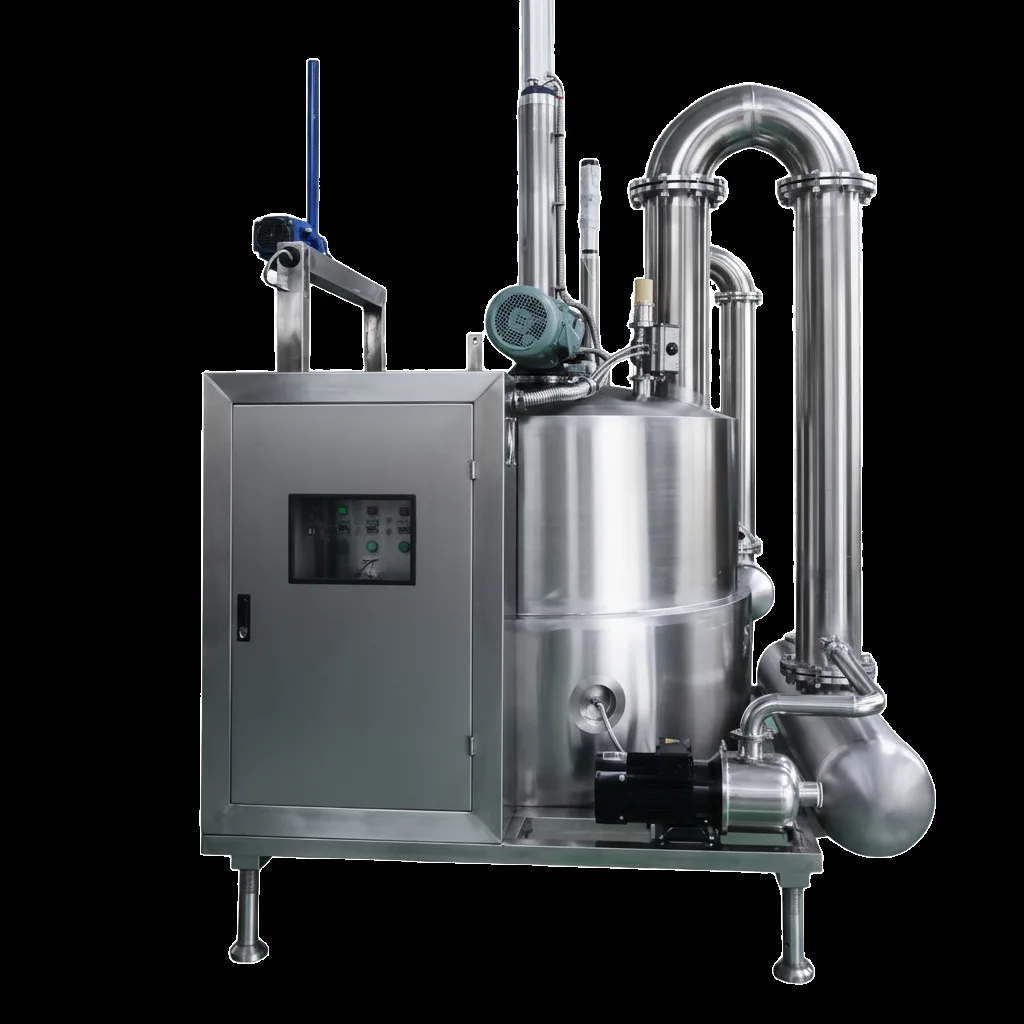
QS vacuum fryers come in three batch sizes: QS-VF100 at 100KG per batch, QS-VF150 at 150KG per batch, and QS-300 at 300KG per batch. The batch size is the amount of raw material loaded for one frying cycle — it is the most direct lever on how much a single machine can produce.
The right size is the smallest one that meets your demand with a comfortable margin. A machine that is slightly larger than today's need gives you room for a busy week and for growth, and it runs at a comfortable pace rather than at its limit. A machine far larger than today's need costs more to buy, takes more floor space, and holds more oil — and none of that earns its keep while the line is underused.
There is no fixed number of batches per day, and any supplier who quotes one without knowing your product is guessing. Cycle time varies with the material: its moisture, its thickness, its preparation, and the texture you want at the end. The same machine will run very different schedules for different products, so plan capacity in batches of your own product, not in a generic daily figure.
When comparing the three models, think in practical terms as well as in batch size. The QS-300 vessel measures 2600mm high by 1600mm in diameter — a larger vessel needs more floor space, more headroom, and more oil. Check your site against the machine's footprint before you commit, not after it arrives.
QS vacuum fryer models at a glance
| Model | Batch size |
|---|---|
| QS-VF100 | 100KG/batch |
| QS-VF150 | 150KG/batch |
| QS-300 | 300KG/batch |
- Low-temperature vacuum frying at 80–100°C
- Oil content below 18% after centrifugal de-oiling inside the chamber
- Centrifugal de-oiling inside the chamber
- Delta PLC + MCGS touchscreen control
- 304 stainless steel construction
- QS-300 vessel: 2600mm high by 1600mm in diameter
What else limits output
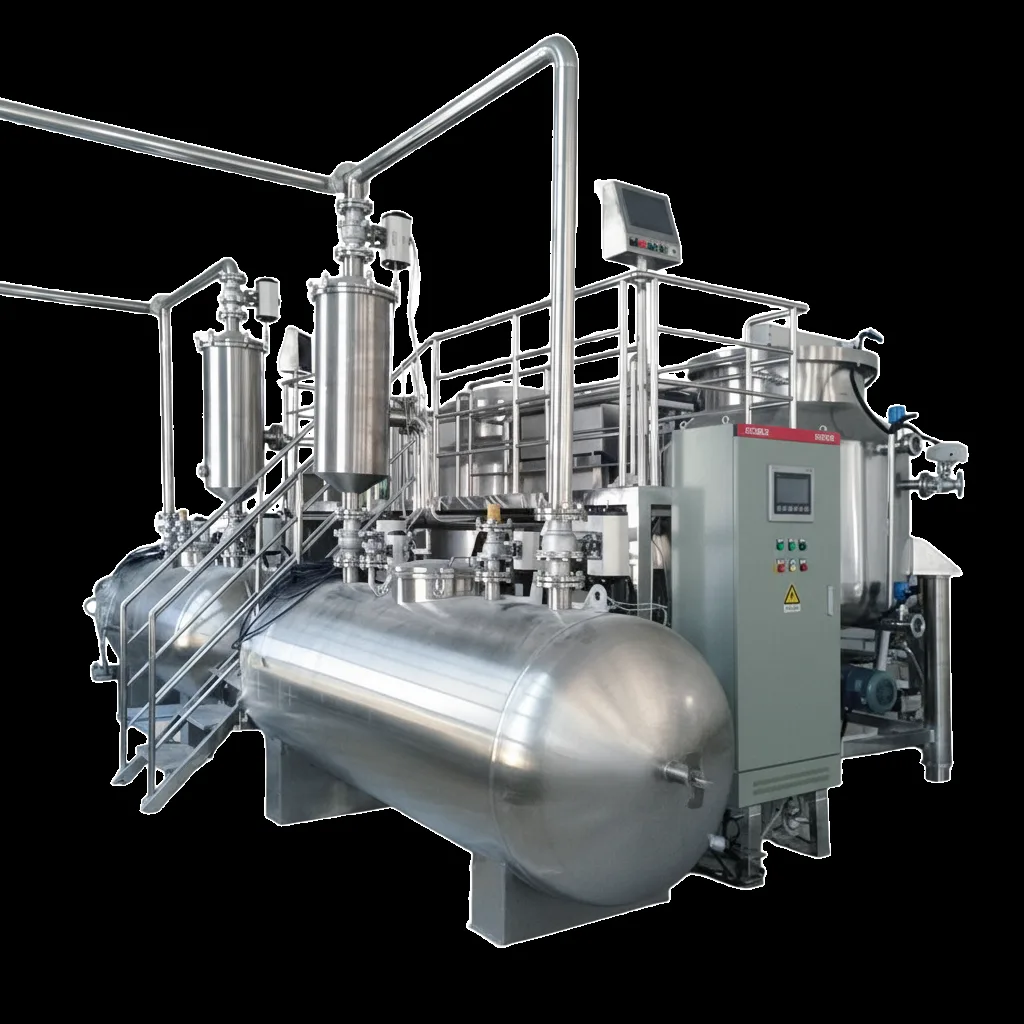
The fryer vessel sets the maximum batch, but it rarely sets the real output of a line. Four other steps shape how much a line produces in a working day, and each of them can become the bottleneck.
Loading and unloading
Each batch must be loaded evenly and unloaded without damage. If loading is slow or the baskets are awkward to handle, the fryer waits — and a waiting fryer produces nothing. Plan the loading step with the same care as the frying step: baskets, trolleys, and a clear path to the vessel.
Oil handling
Oil must be filtered and kept at frying temperature. Oil that is not filtered on time degrades faster, and oil that has cooled costs time to reheat. The oil circuit — filtration, storage, and topping up — needs its own routine in the working day.
De-oiling
After frying, the centrifugal de-oiler inside the chamber spins off surface oil, the step that helps vacuum fried snacks finish with an oil content below 18%. De-oiling time is part of the batch cycle, not an extra, so allow for it when you plan a day's work.
Packing
Finished product must be packed before the next batch is ready. If packing lags, fried product waits in the open, loses quality, and blocks the line. Match packing capacity to frying capacity, and treat packing as part of the line, not as an afterthought.
Planning for growth
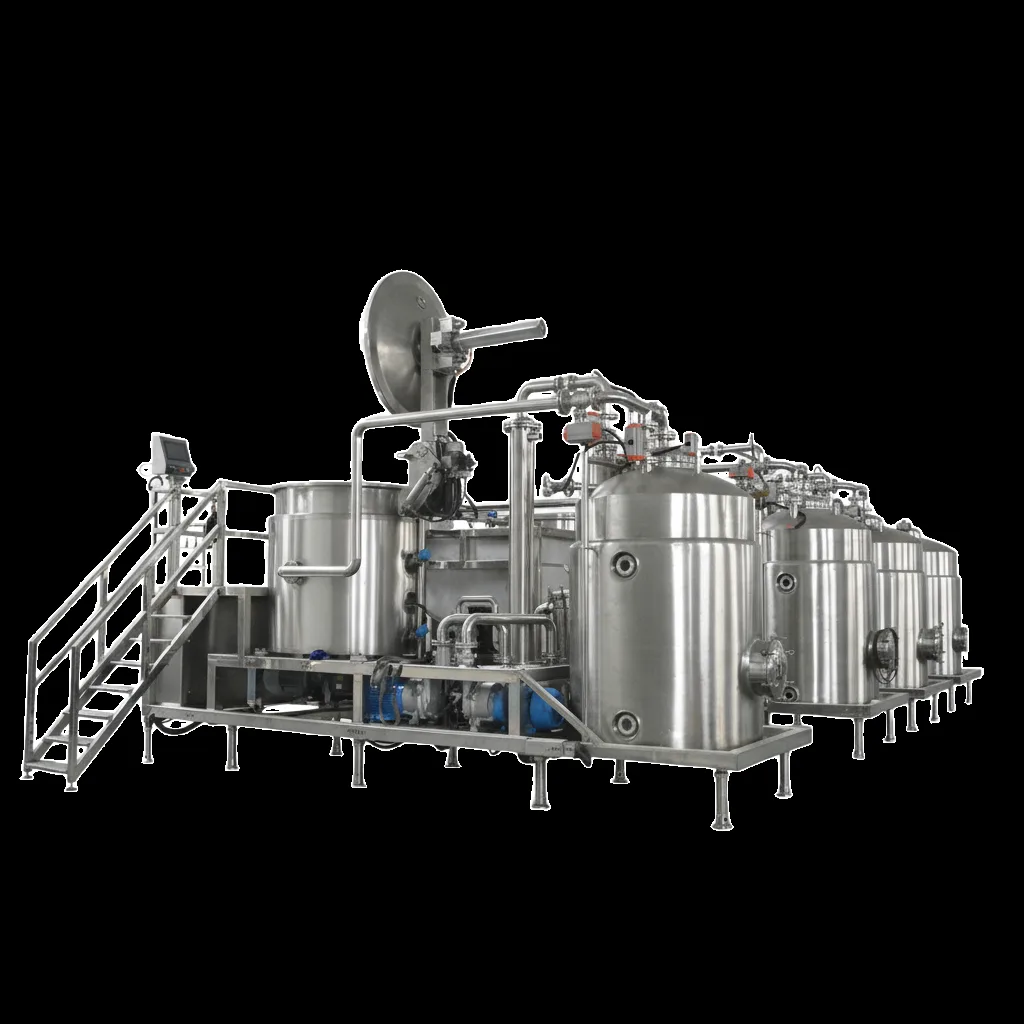
A fryer is a long-lived purchase, so plan for the business you expect in a few years, not only for the orders you hold today. Growth planning is not guessing a number — it is leaving yourself options.
One machine is enough while a single batch size covers your demand with a margin. It keeps operation simple: one operator routine, one set of spares, one maintenance schedule. Plan for a second machine — or a second line — when growth would force your single machine to run without a break, or when one product's demand justifies a dedicated line.
You can prepare for that day without buying the second machine now. Leave floor space for it. Check that your power supply, oil storage, and packing area can serve two lines. Keep the layout flexible so a second fryer can be added without moving the first. The cheapest expansion is the one you planned for.
Questions to ask the supplier before you buy
Capacity planning ends with a conversation, not a catalogue page. Before you order, put these questions to your supplier and get the answers in writing.
- What is the lead time, and what does it include? A QS vacuum fryer carries a 1-year warranty and has an approximate 3-month lead time — confirm whether installation and commissioning are included in that period.
- What does the machine need on site? Ask about floor space, power supply, water, drainage, and ventilation, and confirm them against your site before the machine ships.
- What is in the batch size? Confirm what the rated batch size means for your product — the figure is per batch of raw material, and your finished weight will differ.
- What spares and consumables should I stock? Seals, filters, and pump consumables wear with every batch. Ask for a recommended spares list and its lead time.
- What training and documentation come with the machine? Ask for the operating manual, the maintenance schedule, and operator training, and confirm the language they are supplied in.
- Who supports the machine after delivery? Confirm the warranty terms, what they cover, and how support is reached.
A supplier who answers these clearly is one you can plan with. A supplier who will not put them in writing is a risk you do not need.
Frequently asked questions
What batch size do I need for a vacuum fryer?
Start from your daily and weekly output target, broken down by product and by season, then choose the smallest model that meets it with a comfortable margin. QS vacuum fryers come in 100KG, 150KG and 300KG per batch. Share your demand figures with your supplier so they can check your sizing.
How many batches can a vacuum fryer run in a day?
There is no fixed number. Cycle time varies with the material — its moisture, thickness, preparation, and the texture you want — and loading, oil handling, de-oiling, and packing all take time too. Plan in batches of your own product, not in a generic daily figure.
Should I buy a bigger vacuum fryer than I need today?
Only when growth is already in the order book, such as a signed contract or a confirmed customer. Buying far more capacity than today's orders need ties up capital, floor space, and oil. A better approach for uncertain growth is to buy for the orders you can see and leave floor space for a second machine.
What should I ask a vacuum fryer supplier before ordering?
Ask for the lead time — approximately 3 months for a QS vacuum fryer — and the 1-year warranty terms, installation requirements, what the rated batch size means for your product, the recommended spares list, and what training and documentation are included. Get the answers in writing.
Talk to us about your vacuum frying line
Tell us your product and your output target — we will help you choose the right batch size and plan the line around it. See the range on our vacuum fryer page.
Specifications are for reference only and are subject to the final supplied equipment.