What centrifugal de-oiling actually is
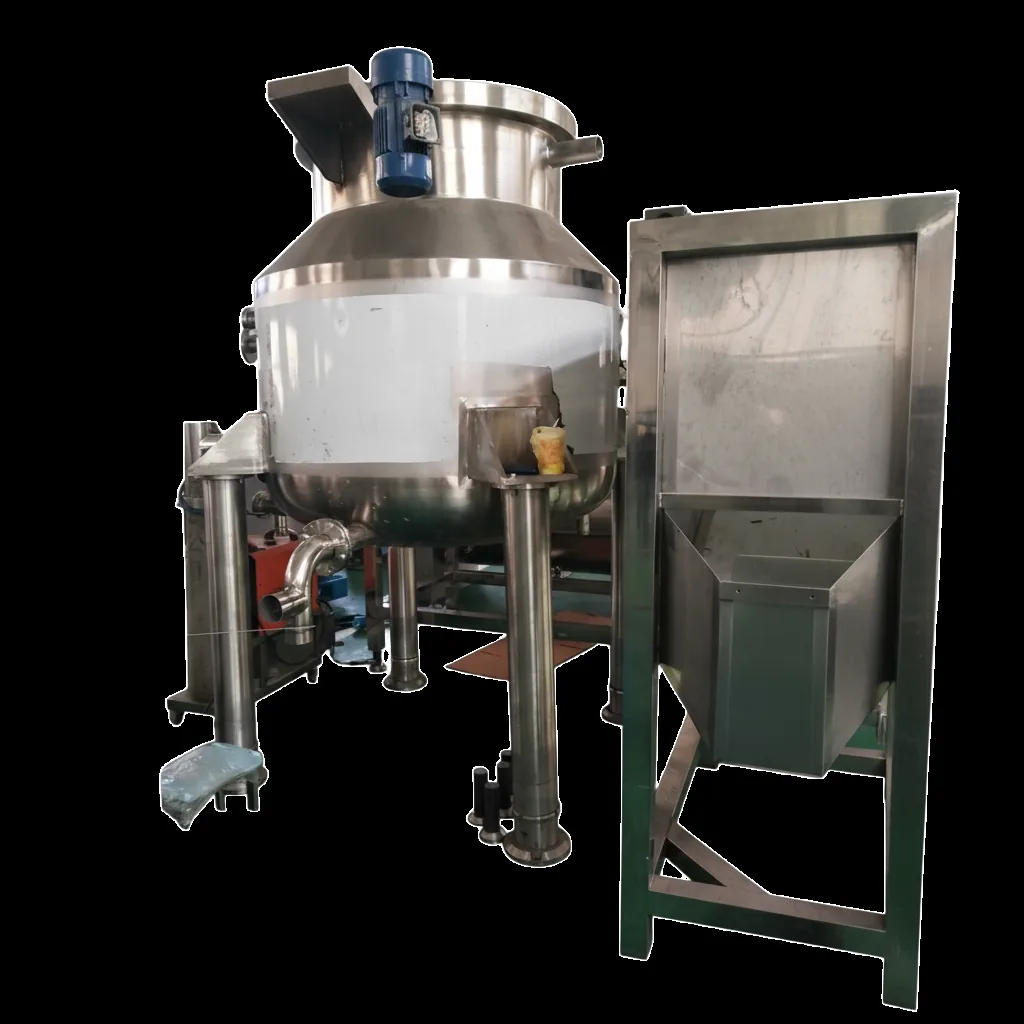
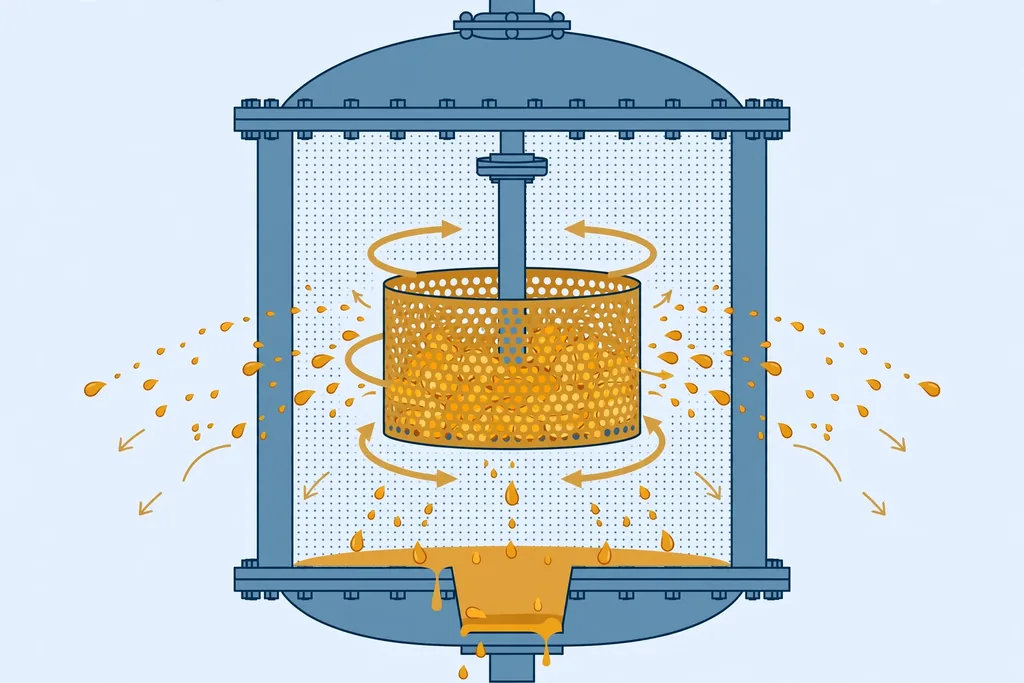
Centrifugal de-oiling is the step where the product basket spins inside the sealed vacuum vessel after the oil has been drained away, while the vessel is still evacuated. Rotation generates centrifugal force that flings clinging surface oil outward through the basket's perforations, and that oil drains back into the oil circuit. That is the complete definition — a spin, inside the frying vessel, under vacuum, before the product ever sees the outside air.
Two things make this step distinctive. First, it needs no separate machine: the same perforated basket that held the product during frying doubles as the centrifuge drum, and the same vessel that fried the batch does the spinning. Second, it happens while the vessel is still under vacuum, so the hot, porous product is never exposed to oxygen during its most vulnerable moment.
Buyers sometimes ask whether de-oiling is just "draining." It is not. Draining removes the bulk oil by gravity; de-oiling actively strips the film of oil that clings to the product's surface — the film that gravity alone will never remove.
How de-oiling works, step by step
In a batch vacuum fryer — for example the QS-VF100, QS-VF150, or QS-300 (100, 150, and 300 KG per batch) — de-oiling is a programmed phase of the batch cycle, run by the machine's Delta PLC + MCGS control system. Here is the sequence:
- Frying finishes. The heat cycle ends according to the recipe program. The product sits in the basket, submerged in hot oil at 80–100 °C, under vacuum.
- The oil drains. The hot oil is pumped back into the oil circuit's storage tank. The product is no longer submerged — this is the moment draining ends and de-oiling can begin.
- Vacuum holds. The vessel stays evacuated. Nothing about the spin requires the chamber to be vented, and keeping oxygen away from the hot product is a deliberate part of the design.
- The spin. The basket rotates. Centrifugal force drives surface oil through the perforations, where it collects on the vessel walls and drains back into the oil circuit — the oil returns to the charge instead of staying on the product.
- Spin ends, vacuum releases. The basket stops, the vessel is vented back to atmospheric pressure, and the lid can be opened.
- Discharge. The product comes out with far less surface oil than it would have carried if it had simply been lifted out of the bath.
The spin happens while everything is still warm, which matters: warm oil is thinner and separates from the product surface more readily than cooled oil would. De-oiling is, in a sense, the fryer using the product's own heat as a tool.
Why de-oiling decides product quality
De-oiling looks like a finishing flourish, but it decides three commercial outcomes:
Texture: the clean, non-greasy bite
Surface oil that is not removed keeps migrating into the porous piece after discharge — a slow soak that softens the crisp shell vacuum frying worked to build. A well-de-oiled piece keeps its structure: the bite stays crisp because the oil film that would have turned it soggy was flung off before it could soak in.
Shelf life: less surface oil, slower rancidity
The oil left on the surface is the first to meet oxygen in the pack, and oxidized surface oil is what makes a stored snack taste stale. Less residual oil means slower rancidity development and a longer window of palatable shelf life. There is also a packaging benefit: de-oiled pieces leave less grease on pouches and seals, which matters for heat-seal integrity on automated packing lines.
Oil economy: the oil returns to the circuit
Every gram of oil flung back into the vessel drains into the oil circuit — oil that stays on the product is oil permanently lost from the charge. Over hundreds of batches, the difference between a disciplined de-oiling routine and a rushed one shows up directly in how often you need to top up the oil tank. De-oiling is partly a product-quality step and partly an oil-management step; treat it as both.
What affects de-oiling results
De-oiling has no fixed recipe that fits every product. Five factors shape the result, and balancing them is the operator's skill:
- Spin duration. The spin needs to last long enough to strip free surface oil. Beyond that point, extra spinning gives diminishing returns — and starts risking product damage for no quality gain. The right duration is found by product trial, not by guessing.
- Basket loading. Evenly loaded baskets de-oil evenly; overfilled baskets cushion the pieces against each other, block oil's exit path through the perforations, and leave the middle of the load oily while the outside is clean. Respect the machine's batch rating — 100, 150, or 300 KG per batch exists for a reason.
- Product fragility. Thin, delicate pieces (apple slices, mushroom crisps) tolerate less aggressive spinning than dense, sturdy ones (broad beans, taro pieces). The de-oiling program must balance thoroughness against breakage: a perfectly de-oiled but shattered chip is not a product.
- Warmth. De-oiling works best while product and oil are still warm, because thinner oil leaves the surface more readily. This is built into the sequence — the spin follows drainage immediately, with no cooling gap in between.
- Complete drainage first. If the oil has not fully drained before the spin starts, the basket is just agitating product in oil. Confirm the drain is complete before the spin phase begins — sequence discipline matters as much as spin settings.
A practical tip: run a new product's first batches with attention on breakage and surface gloss, and adjust before committing to a full production run. De-oiling settings are part of the product recipe, not a machine constant.
Vacuum frying de-oiling vs. ordinary deep-frying handling
An ordinary deep fryer handles the end of frying very differently:
- Gravity draining, in open air. The product is lifted out of hot oil at atmospheric pressure and drips over a rack or conveyor. Gravity removes the loose oil — and leaves everything else. As the piece cools, surface oil partly wicks back into the pores.
- No spin, no vacuum hold. An open fryer cannot spin a full batch inside the vessel, and the hot product meets oxygen the moment it leaves the bath — exactly when it is most vulnerable to oxidation.
- Surface oil stays high. Without a centrifugal step, deep-fried products carry substantially more surface oil into the pack. Seasoning and packaging then have to cope with that grease load.
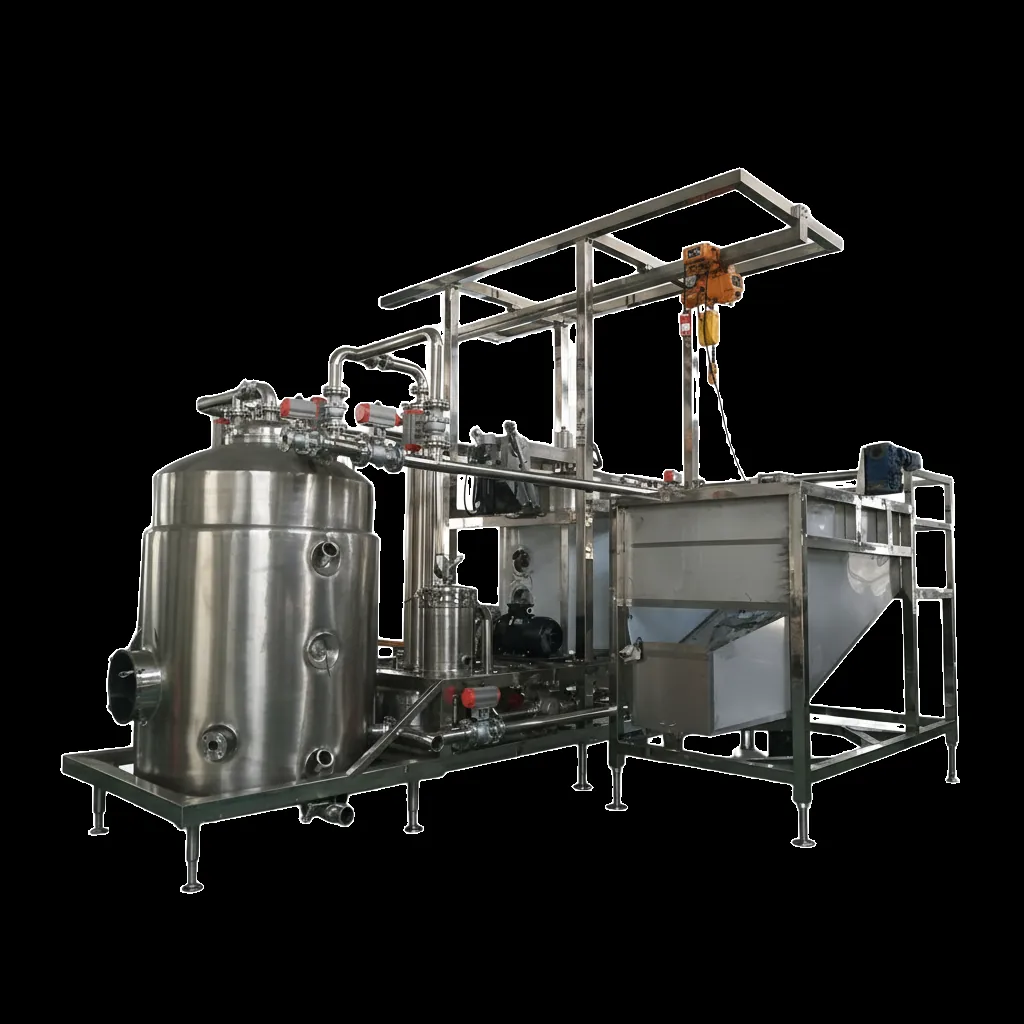
Vacuum frying changes the geometry of the whole problem: the same sealed vessel that fried the batch spins it, under vacuum, before the product ever meets outside air. That integration — fry, drain, spin, discharge, all in one chamber — is the signature of the process. (Standalone centrifugal de-oilers do exist in some conventional snack lines, but they are separate machines added after the fryer; in a batch vacuum fryer, the step is built in.)
Quick reference: QS batch vacuum fryer classes
| Model | Batch size | Notes |
|---|---|---|
| QS-VF100 | 100 KG/batch | Entry class: market testing, small lines |
| QS-VF150 | 150 KG/batch | Mid-volume production |
| QS-300 | 300 KG/batch | High-volume; vessel 2600 mm (H) × 1600 mm (D) |
Batch vacuum frying at 80–100 °C with centrifuge de-oiling under vacuum; Delta PLC + MCGS controls. Specifications are for reference only and are subject to the final supplied equipment.
Frequently asked questions
What is centrifugal de-oiling in vacuum frying?
Centrifugal de-oiling is the step where the product basket spins inside the sealed vacuum vessel after the oil has been drained away, while the vessel is still evacuated. Rotation flings clinging surface oil through the basket's perforations, and the oil drains back into the circuit. It happens in the same vessel where frying took place — no separate machine is needed.
Why does de-oiling happen under vacuum instead of at normal pressure?
Hot, freshly fried product is porous and vulnerable to oxidation. Keeping the vessel evacuated during the spin keeps oxygen away from the product during its most sensitive moment. The spin also happens while the product and oil are still warm, when the oil is thinner and separates from the surface more readily.
What happens if I skip or shorten the de-oiling step?
Surface oil that is not removed keeps migrating into the porous piece after discharge, leaving a greasier mouthfeel and softening the crisp shell. Residual surface oil also oxidizes first during storage, which shortens shelf life — and it means more oil leaves the circuit on the product instead of returning to it.
How do I know my de-oiling is working well?
Judge by the finished product: pieces should look dry and clean rather than glossy, feel crisp without a greasy film, and keep that bite through storage. If product comes out visibly oily or breakage rises, review the three levers — spin duration, basket loading, and product fragility — and adjust the recipe to rebalance thoroughness against piece integrity.
How is vacuum-frying de-oiling different from ordinary deep-frying oil handling?
An ordinary deep fryer drains by gravity: the product is lifted out of hot oil at atmospheric pressure and drips over a rack, which leaves substantial surface oil that partly wicks back in as the piece cools. Vacuum frying instead spins the batch inside the same evacuated vessel, using centrifugal force to actively strip surface oil while oxygen is still kept away from the hot product.
Dial in de-oiling for your product
Tell us your product and target output — we'll help you choose the right batch class and set de-oiling parameters that protect texture and shelf life from day one. Explore the range on our vacuum fryer page.
Specifications are for reference only and are subject to the final supplied equipment.