Why trials matter before you buy
A vacuum fryer is a long-term purchase, and every product behaves differently inside one. Two fruits with similar appearance can fry very differently: one crisp and even, the other soft in the centre or dark at the edges. Raw material varies by season, supplier, and preparation. A pilot trial replaces assumptions about your product with evidence from your product, before the purchase decision.
Trials also protect the business case. A snack that looks excellent on production day but loses crispness in the pack, or a seasoning that falls off during handling, is a problem discovered far more cheaply at trial scale than at full production scale. The trial is where the product earns its place on a line — or shows it needs more work first.
Finally, a trial gives both sides a shared reference. You and the supplier see the same batches and taste the same results, so decisions about machine size and next steps rest on something both sides have witnessed, not on descriptions exchanged by email.
What a trial should prove
A useful trial answers specific questions. Before any batch runs, write down what it must prove, and judge every batch against that list.
Product quality
The finished piece is the first test. Is it crisp all the way through, with even colour and no soft centre? Does it taste like the raw material? Vacuum frying at 80–100°C is gentle and protects delicate flavour and colour, but the trial is where you confirm that on your own product. Taste it warm from the line and again after cooling, because texture and flavour change as it cools.
Oil behaviour
Oil is a working part of the process, not just an ingredient. Watch how it behaves across consecutive batches: foaming, darkening, off-odours, and any change in how the product fries as batches accumulate. Vacuum frying keeps oil uptake low, with oil content under 18% in the finished product, but that result depends on the product, the oil, and the process working together. Several batches in sequence show whether oil condition holds up or deteriorates, which a single batch cannot reveal.
De-oiling
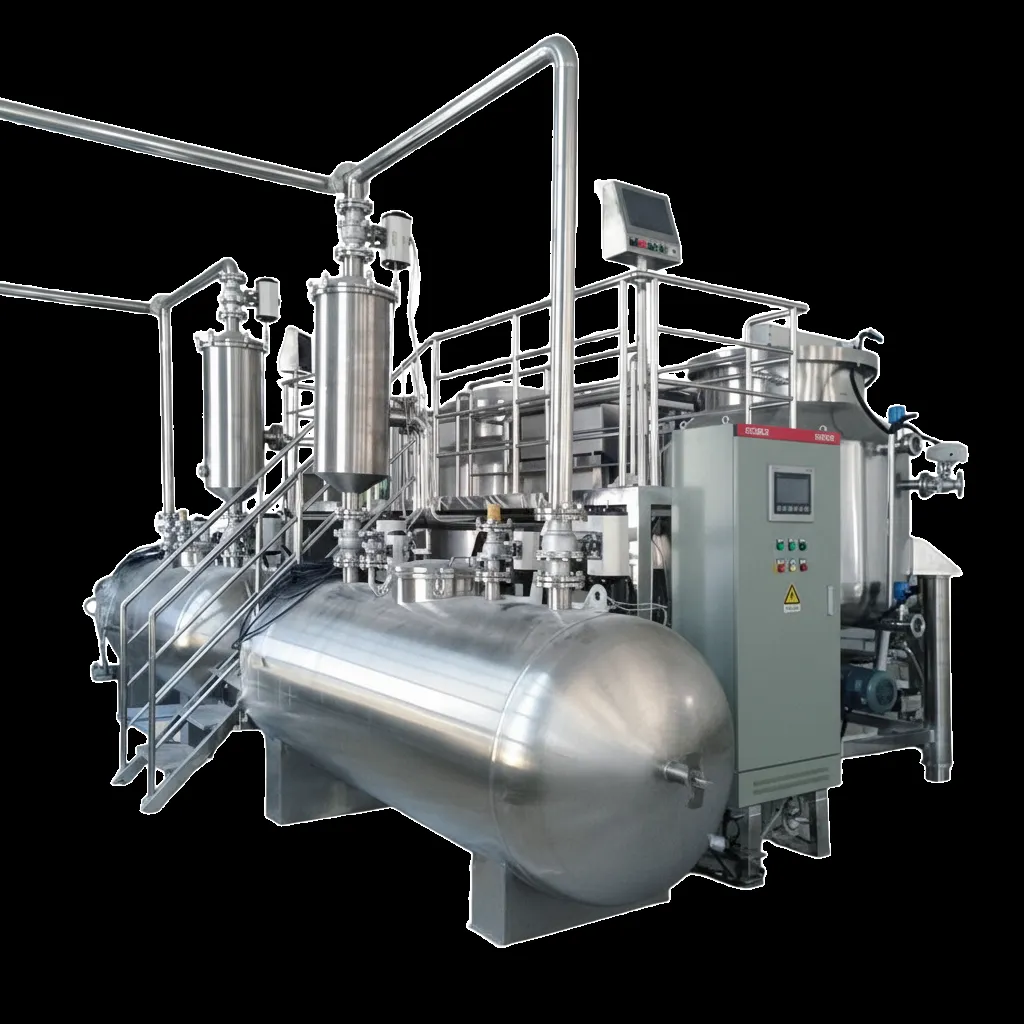
After frying, the basket spins inside the chamber and throws surface oil off the product before the chamber opens. This in-chamber centrifugal de-oiling decides how light and crisp the snack feels, and how well seasoning will grip later. Check the product straight after de-oiling: it should feel dry rather than greasy, and pieces should separate rather than clump. If de-oiling is poor, everything downstream suffers.
Seasoning adhesion
Seasoning belongs after de-oiling, never before it: seasoning applied earlier is spun off with the oil. The sequence is fry, then in-chamber centrifugal de-oiling, then seasoning. Judge adhesion at the pack, not at the seasoning station. Handle the seasoned product the way the line will handle it, pack it, open the pack later, and check how much seasoning is still on the pieces. A flavour that tastes perfect but falls off in the pack has not passed.
Packing behaviour
Packing is part of the trial, not an afterthought. Pack trial product in the material you intend to use, store it under the conditions it will actually face, and open packs later to check crispness, colour, and seasoning retention. Some seasonings attract moisture, softening crisps and clumping powder. A trial that skips packing leaves the last question unanswered.
How to plan a trial
A trial without a plan produces impressions; a trial with a plan produces decisions. Three disciplines make the difference: one variable at a time, a baseline first, and a record kept as you go.
One variable at a time
Change one thing per batch, and keep everything else fixed. If you change slice thickness, seasoning, and oil in the same batch, a good result teaches you nothing about which change caused it, and a bad result nothing about what to fix. Work through variables in order: preparation and cut first, then frying behaviour, then seasoning, then packing.
Start from an unseasoned baseline
Run the first batch with no seasoning at all. The baseline tells you what the product itself tastes and feels like, what the seasoning must add, and what it must not hide. Every later variant is judged against the baseline, not against memory.
Keep a record as you go
Record each batch while it is fresh: the preparation, the settings used, what the product looked and tasted like, how de-oiling performed, how seasoning adhered, and how the packed sample behaved. Note failures as carefully as successes — a failed batch with a clear cause is worth more than a good batch nobody can repeat. The record turns a trial day into a repeatable recipe. Keep trial batches realistic: small enough for several variants in a session, large enough to tumble, season, and pack like a real batch.
What to bring and ask the supplier
The trial is only meaningful if the inputs match real production. Bring your own raw material, prepared the way you will supply it, in enough quantity for repeat batches, so that one failed batch does not end the trial. Bring your seasoning samples and your packing material, because a trial run with substitute seasoning or substitute packing answers a different question from the one you need answered. Bring your quality criteria written down before you arrive: what counts as a pass for crispness, colour, flavour, and seasoning retention. Criteria agreed in advance keep the trial honest.
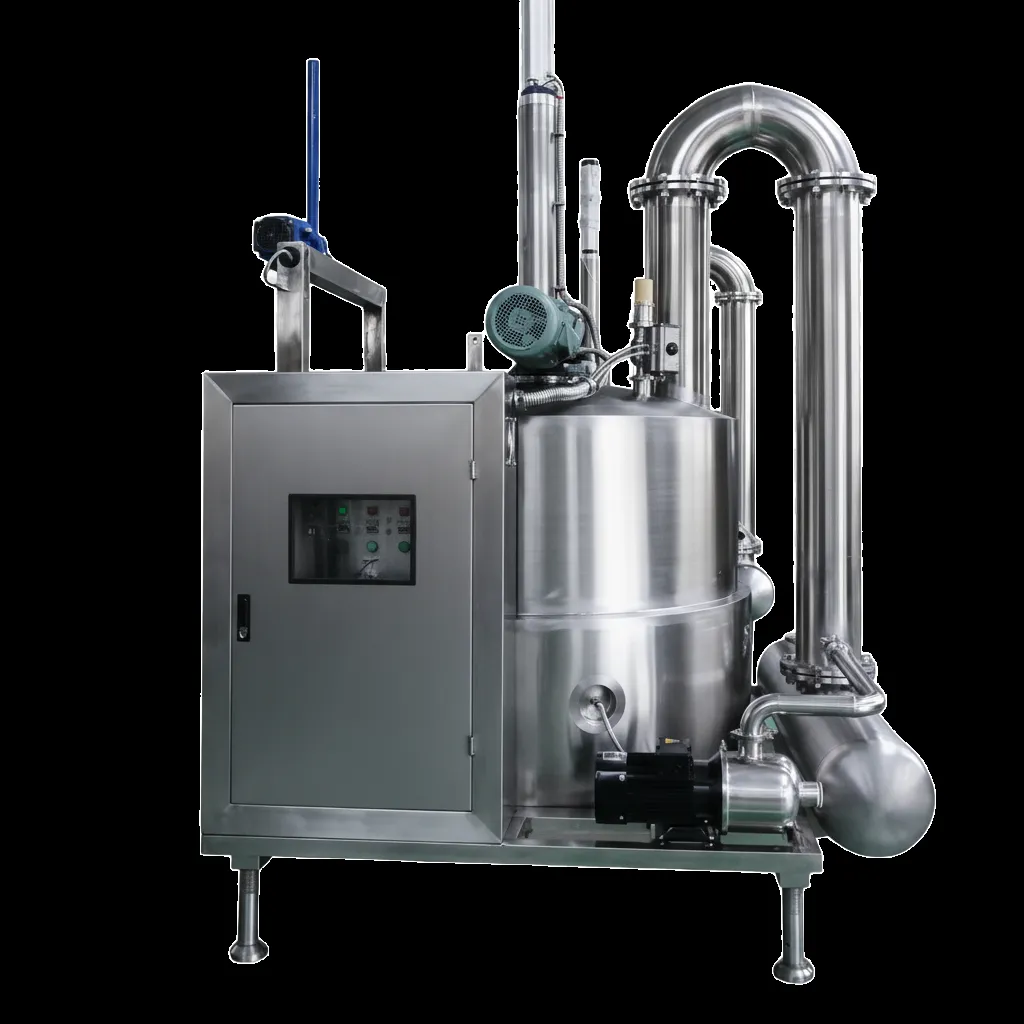
Ask the supplier practical questions while you are there. How is the fryer controlled, and how are settings recorded between batches? The QS vacuum fryer range uses a Delta PLC with an MCGS touchscreen, so ask to see how a recipe is set and repeated. Ask what batch sizes the range covers — QS-VF100 at 100KG/batch, QS-VF150 at 150KG/batch, and QS-300 at 300KG/batch — and discuss which size fits the volumes your trial points to. Ask how cleaning between products is handled, and how oil condition is monitored. The answers are best gathered while you can see the equipment running.
How to read trial results and decide on scale-up
Reading trial results means comparing batches against the criteria you set, not against enthusiasm on the day. Lay the batches out against the baseline, and score each on the five areas: product quality, oil behaviour, de-oiling, seasoning adhesion, and packing survival. A batch passing four areas and failing one has a specific problem to fix, not a reason to abandon the product.
Look for repeatability before perfection. A single excellent batch proves the product can work; repeated batches with the same result prove it will work reliably. If two batches of the same recipe disagree, something uncontrolled is varying — raw material, preparation, or handling — and it must be found before scale-up, because full production will amplify it.
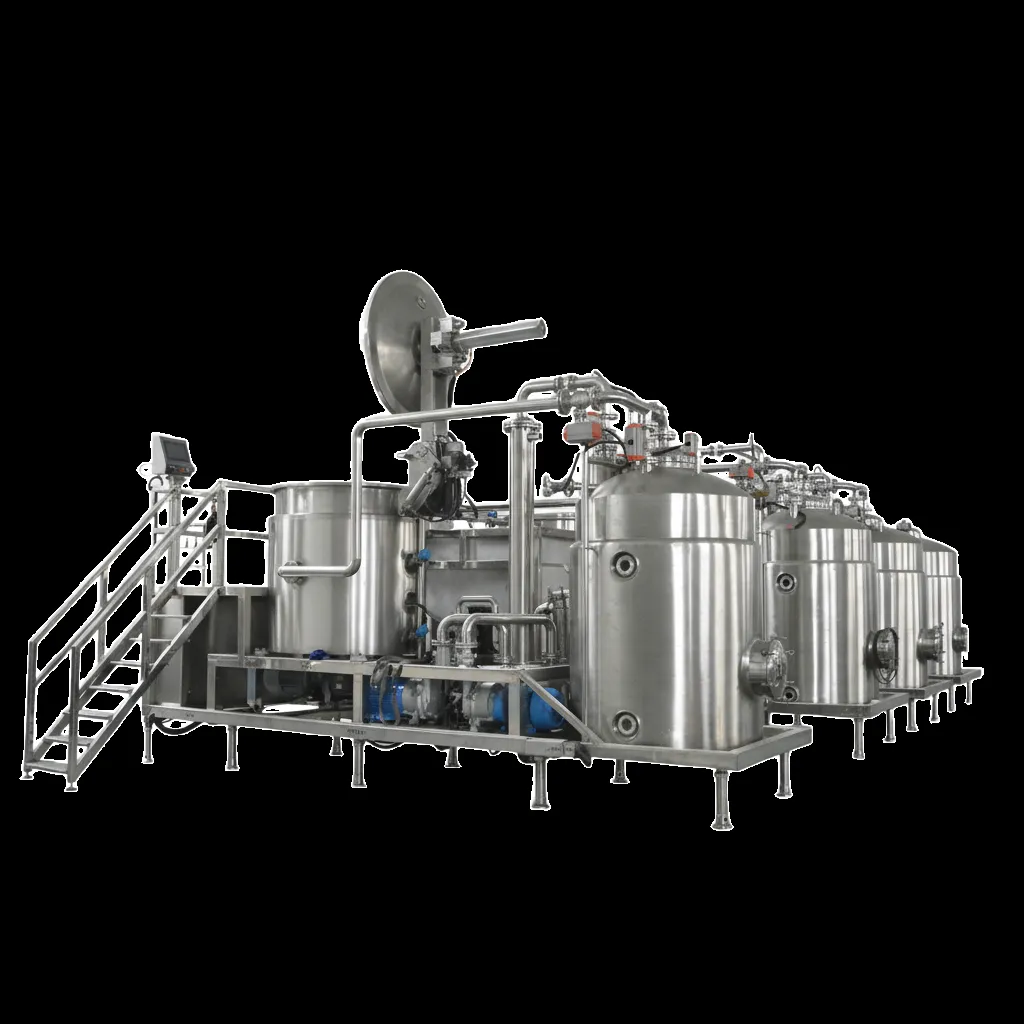
Decide on scale-up in stages. A product passing every test on repeat batches is ready to discuss machine size and production planning. One passing most tests, with one clear failure, goes back for one more targeted round on that variable. One failing across several areas needs its preparation or recipe rethought, not a bigger machine. The honest outcome is sometimes "not yet" — far cheaper at trial scale than after a line is installed. When the trial supports scale-up, use it to size the line: the QS range covers 100KG, 150KG, and 300KG per batch.
Common trial mistakes
- Trialling with substitute material. A different variety, a different cut, or a different preparation gives results that do not transfer to real production.
- Changing several variables at once. A batch that changes everything teaches nothing about what worked or what failed.
- Seasoning before de-oiling. The sequence is fry, de-oil inside the chamber, then season. Seasoning applied earlier is spun off with the oil.
- Judging adhesion at the seasoning station. Judge it at the pack, after handling, conveying, and packing have done their work.
- Running a single batch and calling it a result. One batch is a demonstration; repeat batches are evidence.
- Skipping packing in the trial. A product that fails in the pack has failed, however good it tasted on the day.
- Keeping no record. A trial nobody wrote down cannot be repeated, compared, or built on.
A good pilot trial is unglamorous work: one variable at a time, a baseline first, notes taken as you go, and a verdict against criteria set in advance. Done that way, it turns a purchase decision from a gamble into a judgement backed by your own product and your own record.
Frequently asked questions
How many trial batches should I run before deciding?
Enough to answer each question you set, not a fixed number. Plan at least one unseasoned baseline batch and one batch per variable you need to test, such as slice thickness, seasoning, or oil choice. If two batches of the same recipe disagree, run a third to find out why. A decision made on a single batch is a guess, not a result.
What should I bring to a vacuum frying trial?
Bring your own raw material in the form you will actually supply, your seasoning samples, your packing material, and your quality criteria written down before you arrive. The trial is only meaningful if the material, seasoning, and packing match real production. Bring enough material for repeat batches, so a failed batch does not end the trial.
How do I judge oil behaviour during a trial?
Watch how the oil looks, smells, and performs across consecutive batches rather than on the first batch alone. Note foaming, darkening, off-odours, and any change in frying behaviour as batches accumulate. Because vacuum frying keeps oil use low, with oil content under 18% in the finished product, oil condition is part of product quality, not a separate topic. Record your observations batch by batch so a trend is visible.
When is a trial result good enough to scale up?
When the same recipe passes every test you set — product quality, de-oiling, seasoning adhesion, and packing survival — on repeat batches, not just once. A single good batch proves the product can work; repeat batches prove it will work reliably. If any test fails, change one variable and re-test before committing to a full line.
Plan your vacuum frying line
Tell us your snacks and target output — we will help you size the fryer. Explore the range on our vacuum fryer page.
Specifications are for reference only and are subject to the final supplied equipment.