Why oil choice matters in vacuum frying
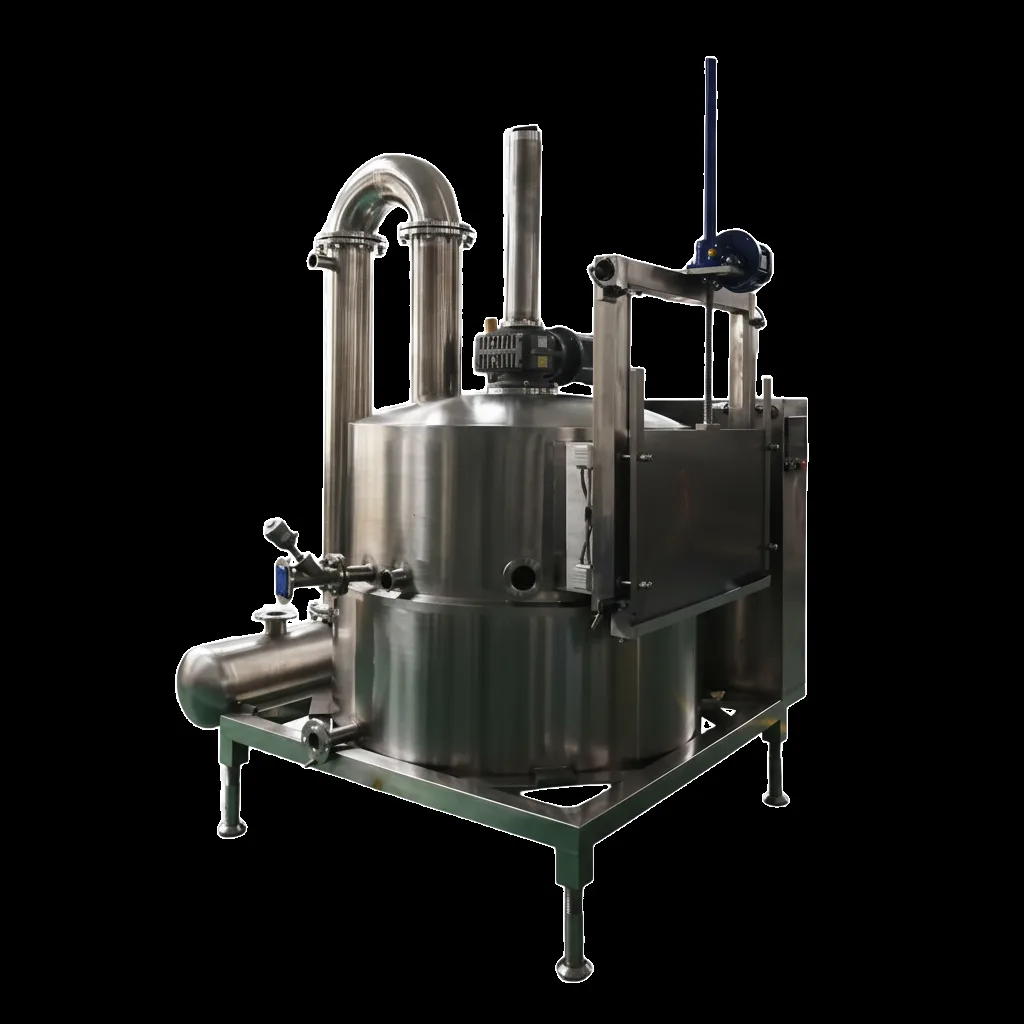
Vacuum frying works at 80–100°C, far gentler than open deep frying, because the vacuum lowers the boiling point of the water inside the product. That gentleness is the reason vacuum fried snacks keep their colour, shape, and delicate flavour. It also changes what the oil has to endure: instead of short, fierce exposure, the oil faces longer, milder heating across many batches, with repeated contact with product moisture, crumbs, and fine particles.
Oil is therefore not a background consumable. It touches every piece of product, carries heat into it, and leaves a thin film on it after frying. A good choice supports steady frying, clean flavour, manageable filtration, and a long working life, while a poor choice brings off flavours, rapid darkening, foaming, and frequent replacement.
Five selection criteria
Judge every candidate oil against the same five tests. An oil that passes four and fails one may still be usable, but the failed test tells you what will need managing.
1. Heat stability at 80–100°C
The oil must stay stable across the full frying range your products use, batch after batch, without breaking down quickly. Ask the supplier how the oil behaves under sustained heating in your range, and confirm the answer on trial batches rather than taking it on trust.
2. Neutral flavour
Unless a product is designed around a particular oil flavour, the oil should contribute as little flavour of its own as possible. Neutrality protects delicate products: fruit crisps, light vegetable chips, and mild root vegetables all show oil flavour quickly. It also protects the line as a whole, because a neutral oil can move between products without carrying one product flavour into the next.
3. Oxidation resistance
Heating in contact with air, moisture, and fine food particles slowly oxidises oil, and oxidised oil tastes stale and ages the whole batch. Resistance to oxidation is therefore a working-life question, and storage matters too: oil kept sealed, cool, and dark starts each session in better condition.
4. Filtration compatibility
Every batch leaves crumbs and fine particles in the oil, and filtration removes them. An oil that filters cleanly, without clogging media, keeps the line running and keeps particles from scorching in later batches, so watch filtration speed and clarity during trials.
5. Availability and cost structure
An ideal oil that cannot be supplied reliably is not ideal. Check that it is available in the volumes you need, and judge cost per batch once working life, filtration, and replacement frequency are counted, not purchase price alone.
Common oil types, in general terms
The oils most often considered for vacuum frying each have a different balance of the five criteria. The notes below are general guidance only; always verify a specific product against its own supplier specification sheet, because grades and blends within one oil type vary.
- Palm oil. Widely available and generally stable under repeated heating, with a fairly neutral flavour in refined grades. Its main questions are flavour neutrality in less refined grades and the flavour carry-over it can leave between products, so it suits lines where those points are checked on trials.
- High-oleic sunflower oil. A popular choice where a light, neutral flavour is wanted. Its stability under repeated heating is one of its selling points, and it filters cleanly in most setups. Supply and cost vary by region, so availability should be confirmed for your market before committing.
- Rice bran oil. Another neutral-flavoured option with a reputation for stability under heating. It is worth trialling where it is readily available, particularly for products where a clean, light flavour matters most.
- Other vegetable oils. Rapeseed, soybean, and blended oils are all used in frying somewhere, and each can suit a particular product or market. Judge them on the same five criteria, and be especially careful with flavour: oils with a strong character of their own should only be chosen when that character is wanted in the finished snack.
Matching oil to product
Product character should shape the final choice. Delicate fruit crisps and light vegetable chips need the most neutral oil available, because their flavour is easily overwhelmed. Heavier savoury products tolerate more oil character, but neutrality still helps when one line fries several products.
Particle load matters as well. Products that shed many crumbs put more load on filtration and age the oil faster, so filtration behaviour deserves extra weight for those products. Trial the oil on your most demanding product first: an oil that survives it will usually handle the rest.
When to top up and when to replace
Oil is lost gradually: product carries some away, filtration removes some, and a small amount is consumed in each batch. Topping up replaces that loss and refreshes the oil in the system, and it is part of normal operation. Replacement is the bigger decision, and it should follow the oil condition, judged on several indicators together:
- Colour. Gradual darkening is expected. Rapid darkening, or darkening that continues even after filtration and topping up, points toward replacement.
- Odour. A stale, sharp, or rancid note that survives filtration is a clear warning. Fresh oil should smell clean and neutral.
- Foaming. Persistent foaming during frying, beyond the normal bubbling of water leaving the product, suggests the oil has degraded and its surface behaviour has changed.
- Filtration behaviour. Oil that filters slowly, clogs media quickly, or stays cloudy after filtration is telling you its particle and degradation load has grown too high.
- Flavour carry-over. When one product starts tasting of the previous product, or when all products pick up a stale background note, the oil is no longer a neutral carrier.
No single indicator decides on its own. Colour alone can mislead, because some products darken oil without degrading it badly, so judge the set together and track them in your batch records until the pattern for your products becomes visible.
Oil choice and your fryer
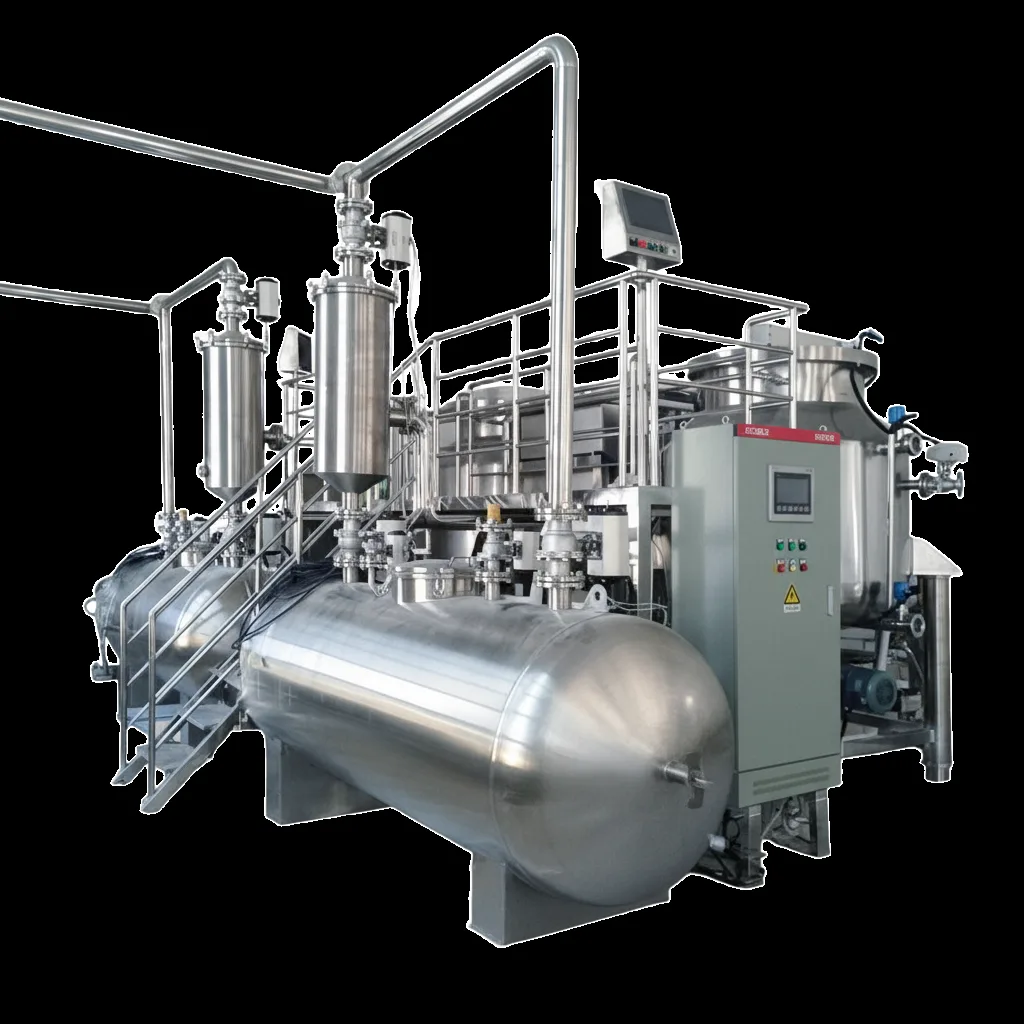
The fryer sets the context for the oil decision. QS vacuum fryers use a Delta PLC with MCGS touchscreen control, and in-chamber centrifugal de-oiling after frying, which keeps the oil film on the finished snack thin — well-run vacuum frying lines report oil content below 18%. That thin film is part of why oil flavour matters: less oil on the product means the oil character shows less, but it also means the oil that remains should be clean and neutral.
QS vacuum fryer range (reference)
| Model | Batch capacity |
|---|---|
| QS-VF100 | 100KG/batch |
| QS-VF150 | 150KG/batch |
| QS-300 | 300KG/batch |
QS-300 vessel: 2600mm (H) x 1600mm (D). Control: Delta PLC + MCGS touchscreen. Frying range: 80–100°C.
Larger vessels hold more oil, so an oil decision on a larger line commits more volume and more money. That makes trials more valuable, not less: a trial batch costs little beside filling a large system with the wrong oil.
A trial method before committing
Before filling the system with a new oil, run a structured trial:
- Start from the supplier sheet. Confirm the oil suits your frying range, and note its flavour description and storage guidance.
- Fry your most demanding product first. Use the product that sheds most particles or carries the strongest colour, and fry it for several batches without replacing the oil.
- Record the five criteria. After each batch, note flavour, colour, odour, foaming, and filtration behaviour. Compare notes across batches, not just against the first batch.
- Taste blind if you can. Have tasters compare the trial product against the same product fried in your current oil, without knowing which is which. Blind tasting catches small flavour differences that open tasting misses.
- Decide on cost per batch, not price per unit. Combine the trial working life with purchase and filtration costs before judging whether the new oil is actually cheaper.
A trial that follows those steps gives a defensible decision: an oil chosen for your products, on your line, with records to show why. That record is useful again later, when a supplier changes grade or a new product joins the line.
Frequently asked questions
Can I use any cooking oil for vacuum frying?
Technically many oils will fry, but not all of them suit vacuum frying well. The oil needs to stay stable at your frying temperature, carry little flavour of its own unless you want it to, resist oxidation over repeated batches, and filter cleanly. An oil that fails any of those tests will cost more in flavour problems and replacements than a better-suited oil, even if it looks cheaper at purchase.
How often should vacuum frying oil be replaced?
There is no fixed interval that fits every product and every line, so replacement should follow condition, not the calendar alone. Watch colour, odour, foaming, filtration behaviour, and flavour carry-over. When several of those indicators move in the wrong direction together, and topping up no longer restores performance, it is time to replace the oil.
Does the choice of oil change the flavour of the snack?
Yes, and in both directions. A neutral oil lets the product flavour lead, which is what most snack makers want. A strongly flavoured oil will stamp its own character on every product fried in it, and that character can clash with delicate fruit or vegetable flavours. If you fry several products in one line, flavour neutrality is usually worth more than any single product pairing.
Should one oil serve every product on the line?
Often yes, for practical reasons: one oil simplifies purchasing, storage, filtration, and changeover, and avoids cross-flavour problems between products. A separate oil only earns its place when a product genuinely needs different behaviour and that benefit outweighs the extra handling, so test the case on trial batches first.
Plan your vacuum frying line
Tell us your target output and snacks — we will help you size the fryer and plan its oil system. Explore the range on our vacuum fryer page.
Specifications are for reference only and are subject to the final supplied equipment.