What blanching is in a vacuum-frying line
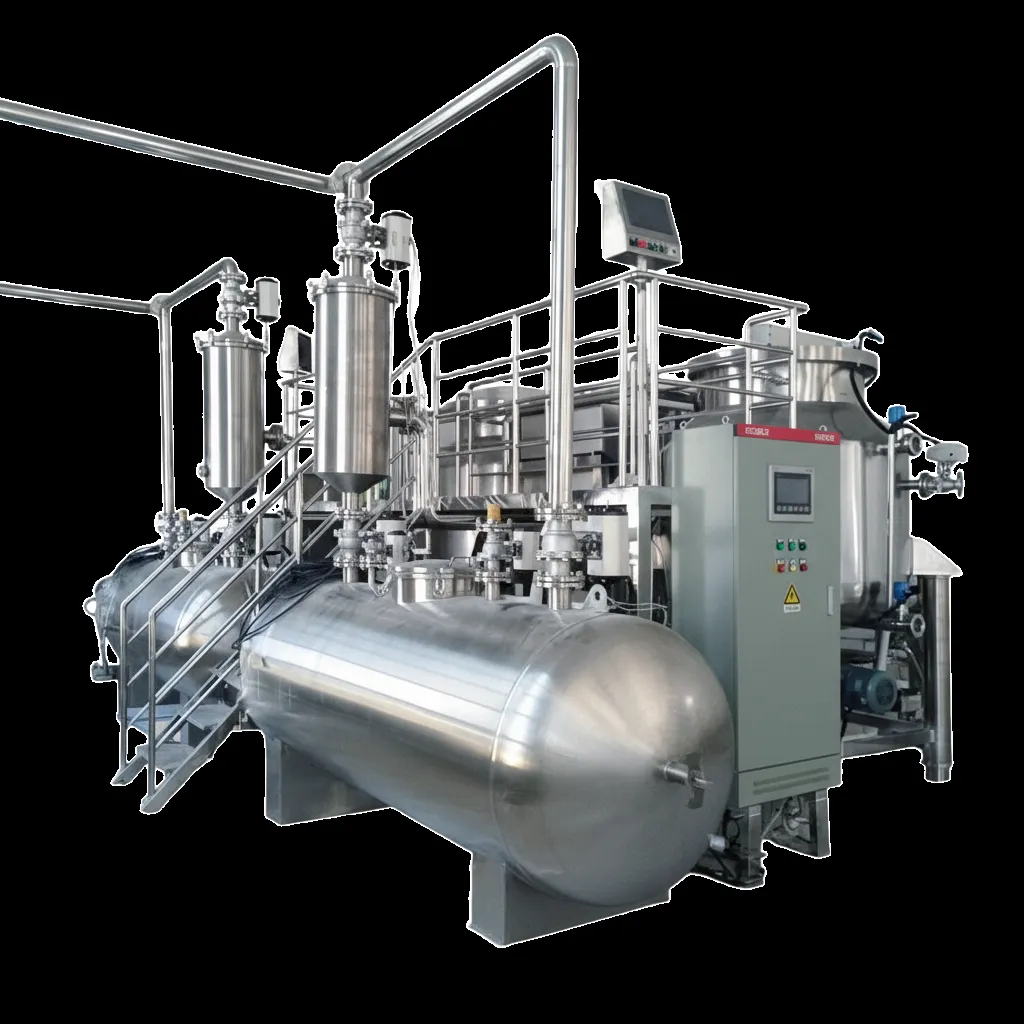
Blanching is the controlled exposure of sliced or cut raw material to hot water or steam for a short, defined time, immediately followed by cooling. It sits between slicing and frying in the classic vacuum-fried chips line:
wash → peel → slice → blanch → cool → dewater → (optional pre-dry) → vacuum fry → de-oil → season → pack.
The step exists for one reason: raw vegetables are biologically active. Even after slicing, enzymes keep working — darkening the cut surface and degrading color and flavor in ways no frying can fix. Blanching switches those enzymes off first. It is process hygiene, not cooking: the slice should leave the blancher still raw, firm and recognizable.
One important scope note: blanching belongs to specific product families. It is the norm for potato chips and fries, and it pays off for starchy or enzyme-active roots — carrot, beetroot, lotus root, taro, sweet potato. Delicate fruits (strawberry, mango, banana, jackfruit) are typically vacuum fried without blanching, and seafood snacks follow their own pre-treatment rules. Treat blanching as a per-product decision, never as a default line setting.
Why blanching matters: the four effects
Blanching earns its place in the line by doing four jobs at once:
- Enzyme inactivation. Polyphenol oxidase and peroxidase — the enzymes behind cut-surface browning — are heat-sensitive. A proper blanch stops them, so the slice keeps its color through frying instead of darkening unpredictably.
- Color and browning control. Blanching leaches some reducing sugars and free amino acids from the slice surface — the raw materials of Maillard browning — giving a lighter, more even chip color.
- Texture setting. Heat partially gelatinizes surface starch, firming the slice and giving the fryer a more uniform starting point. Chips come out crisper and more consistent, instead of varying with raw-material maturity.
- Surface cleanup. Blanching washes free starch off the slice surface — the starch that makes chips stick together in the basket and clouds the oil.
All four effects point in the same direction: a fryer that starts each batch with stabilized, uniform slices produces uniform batches — and uniform batches are what retail buyers pay for.
Which products need it — and which don't
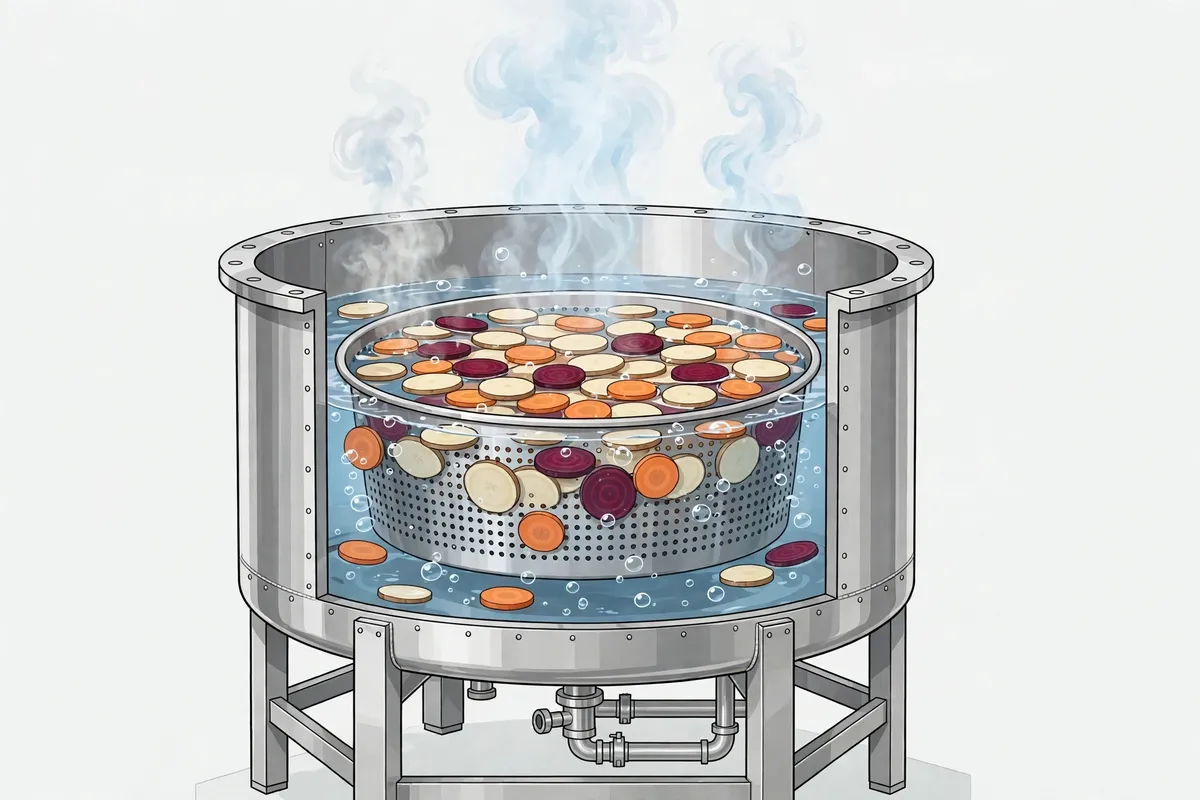
The decision rule is simple: the more enzymatically active and starchy the raw material, the more blanching helps.
- Potato chips and fries — blanching is standard. The industry's default pre-treatment. Without it, reducing-sugar variation between lots turns into color variation that no frying profile can fix.
- Root vegetables — strongly recommended. Carrot, beetroot and lotus root all carry enzymes and pigments that reward a blanch: color stays truer, texture firms up, and the chips fry more evenly. Beetroot in particular benefits, since its pigments migrate and muddy the color without a proper pre-treatment.
- Taro and sweet potato — usually yes. Starchy roots where surface starch management matters for basket separation and oil clarity.
- Delicate fruits — usually no. Strawberry, mango, banana and jackfruit have thin structures and high sugar that a hot-water blanch would damage. Their pre-treatment, where needed, is osmotic or freezing-based, not blanching.
- Seafood — different rules. Shrimp and fish skin follow their own pre-treatment logic (seasoning, dewatering, sometimes light coating); blanching as used for vegetables is not the relevant step.
When in doubt, run the test both ways: fry one lot blanched and one lot raw, and judge color uniformity, texture and oil content side by side. The blanched lot of a root vegetable almost always wins; a strawberry never gets a blanch, because the fruit wouldn't survive it.
Hot-water vs steam blanching
Two established ways to deliver the heat, with different trade-offs:
- Hot-water blanching. Slices pass through or are immersed in heated water. It is the more common choice for chips lines: heat transfer is fast and even, temperature control is straightforward, and the water itself does the surface-starch washing. The downsides are water consumption and the fact that some water-soluble compounds (sugars, minerals, some vitamins) leach into the water — part of the point for color control, but a yield consideration.
- Steam blanching. Slices pass through a steam atmosphere. It uses less water and leaches less from the product, but heat transfer is less uniform and it is harder to achieve the same even enzyme kill across a dense product bed. It suits products where water uptake is the concern, or sites where water discharge is constrained.
Either way, two conditions define a good blanch: time and temperature are product-specific and must be validated — too short and the enzymes survive; too long and the slices soften and fall apart in the basket. There is no universal chart worth copying; establish the parameters during commissioning trials on your own raw material, which differs by variety, season and storage.
Fitting blanching into the process chain
Blanching only works when the steps around it are right. The two that most often go wrong:
- Cool promptly. Residual heat keeps cooking the slice after it leaves the blancher; slow cooling is a silent cause of mushy, fragile slices.
- Dewater thoroughly. Surface water carried into the fryer extends the vacuum pull-down, lengthens the frying cycle and raises oil content. Drain, air-knife or spin the slices so they enter the fryer damp, never dripping.
Pre-fry checklist for blanched product
- Blanch time and temperature validated for this product and lot (not copied from another line)
- Cooling applied immediately after blanching — no hot slices waiting in bins
- Surface water removed; slices enter the fryer damp, not dripping
- Blanch water changed on schedule — dirty blanch water redeposits starch
- Fryer recipe on the Delta PLC/MCGS panel matches the blanched product's profile
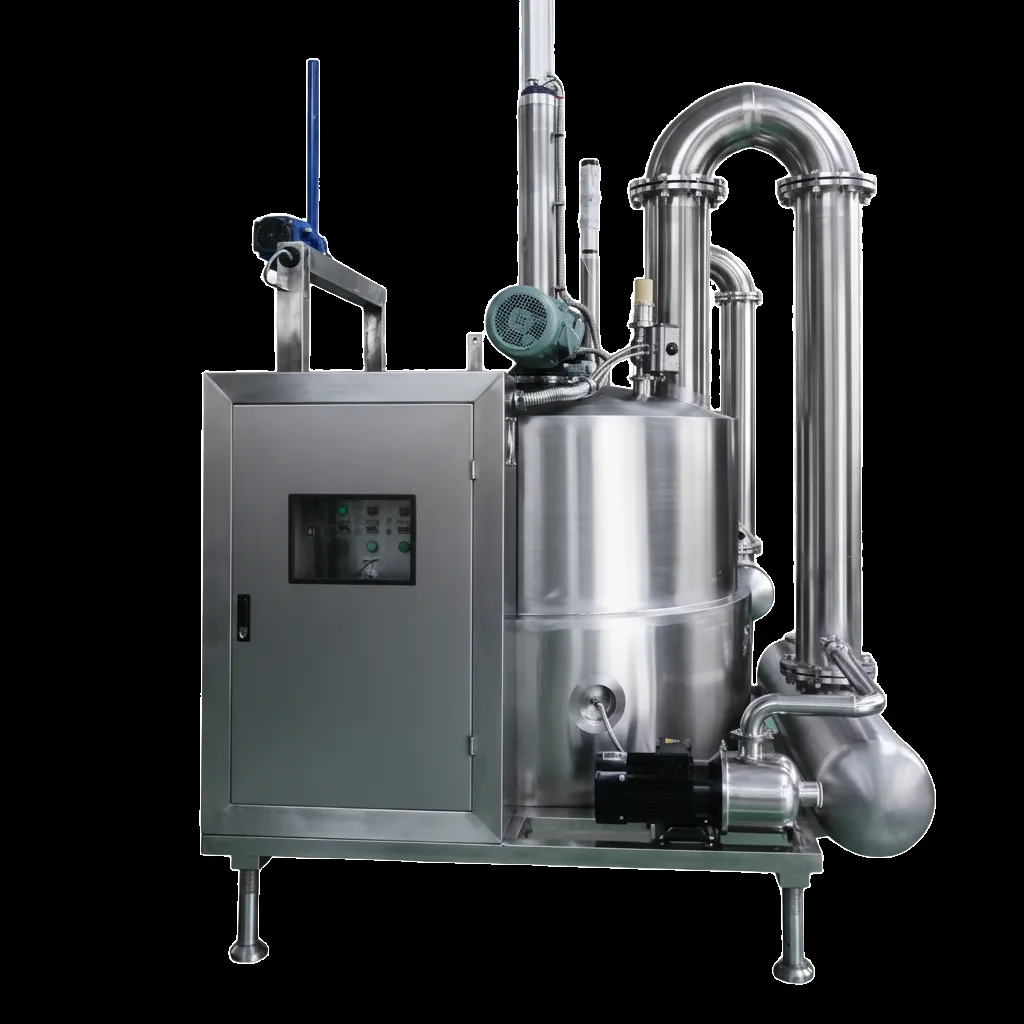
One more scope note for the chain: pre-freezing before vacuum frying is a real but optional variant — freeze-then-fry sets structure for strawberries and for chips/fries, and it is sometimes combined with blanching (blanch → freeze → fry) for potato products. It is never a default step. Decide the chain per product; don't standardize what should be customized.
Common blanching mistakes
- Copying parameters from another factory. Blanching time and temperature depend on slice thickness, variety, maturity and storage history — your raw material is not theirs. Validate on your own lots.
- Under-blanching. A timid blanch leaves peroxidase alive; browning appears weeks later in the packed product, after the batch passed visual inspection. Validate against the most heat-resistant enzyme, not against "looks okay."
- Over-blanching. Soft slices that break in the basket, solids lost to the water, washed-out flavor. If the slice can't hold its shape on a fork, it can't hold it in a centrifuge de-oiler either.
- Skipping the dewater. Wet slices mean longer cycles, higher oil content and steam hammering the vacuum system. Budget the dewatering equipment, not just the blancher.
- Stale blanch water. Water loaded with starch and sugars stops cleaning and starts coating. Treat water change-out as a production parameter with a schedule, not a cleaning afterthought.
What to ask when setting up a line
Blanching equipment is bought separately from the fryer, but the two must be sized together. Points worth covering with suppliers:
- Match capacity to the fryer. A blancher feeding the QS-VF100 (100 kg per batch), QS-VF150 (150 kg) or QS-300 (300 kg) must keep pace with the fryer's cycle — it should never be the line's bottleneck, nor should blanched slices sit waiting and cool unevenly.
- Ask for product-specific parameter development. The supplier should help you establish blanching time and temperature for your products during trials, rather than shipping generic settings.
- Plan the dewatering, not just the blancher. Quote the air-knife, shaker or centrifuge with the blancher. The cheapest blancher with no dewatering costs more in oil and cycle time than a complete station.
- Check the fryer-side controls. QS fryers run Delta PLC with MCGS touchscreen control and per-SKU recipe storage — a blanched carrot recipe and an unblanched jackfruit recipe can live on the same machine, selected by name.
- Commercial terms. QS vacuum fryers carry a 1-year warranty and ship with roughly a 3-month lead time — schedule upstream equipment procurement against that clock, not after it.
Frequently asked questions
Is blanching required before vacuum frying?
Not for every product. Blanching is standard practice for potato chips and fries and strongly recommended for root vegetables such as carrot, beetroot and lotus root, where it controls enzymes, evens out color and improves texture. Delicate fruits such as strawberry or mango are generally fried without blanching. Match the pre-treatment to the product, not to the machine.
What does blanching actually do to the raw material?
A short hot-water or steam exposure inactivates the enzymes that cause browning and off-flavors during storage and frying, leaches some surface sugars and starch that would otherwise darken the chip, and partially gelatinizes starch so the slice fries to a more even, crisp texture.
What goes wrong if blanching is skipped or done badly?
Skipping it on enzyme-active raw materials leads to uneven color, faster browning and texture that varies from batch to batch. Over-blanching softens slices until they fall apart in the basket, while poor dewatering after blanching loads the fryer with excess water, extends the cycle and raises oil content.
What steps come between blanching and the fryer?
Cool the blanched slices promptly, then dewater them — drain, air-knife or centrifuge the surface water off. Slices should enter the fryer damp, not dripping. Some lines add a short pre-drying step before loading; whether you need it depends on the product and your target cycle time.
Can one vacuum fryer line handle blanched and unblanched products?
Yes. The fryer itself doesn't care how the raw material was prepared — the Delta PLC recipe system stores different frying profiles per product. The difference sits upstream: you need blanching equipment only for the product families that benefit from it, and the line must schedule changeovers between them.
Planning a vacuum-fried snack line?
Tell us your products and target capacity — we'll help you map the full pre-treatment chain and size the right fryer. See the range on our vacuum fryer page.
Specifications are for reference only and are subject to the final supplied equipment.