Judging by price alone
The headline price is the easiest number to compare, and that is exactly why it misleads so many buyers. Two dryers with similar drying areas can differ widely in what they cost to run, to install and to keep running over years of daily use. A lower purchase price can be wiped out by higher power use, by parts that wear out sooner, or by days lost while the machine waits for repair. Judge the machine on its total cost of ownership, not on the number on the quotation.
Ask the supplier to list everything the price covers and everything it does not: delivery, installation, commissioning, operator training and spare parts. Ask what the warranty covers and for how long. Our machines carry a 1-year warranty, and the lead time is approx. 3 months, so plan your order around both. Get every answer in writing, and confirm in writing with your supplier before you sign.
Choosing capacity by drying area alone
Drying area is a useful starting point, but it is not a measure of output. What a dryer produces in a batch depends on your product, how it is loaded on the trays, and how thick the layer is. A product that dries well in a thin layer may need far more tray space than a dense product of the same weight. Comparing dryers by square metres alone will lead you to the wrong size.
QS freeze dryer models
| Model | Drying area | Trays | Power | Dimensions | Batch capacity |
|---|---|---|---|---|---|
| QS-FD-20 | 20.16㎡ | 84 | 35kW | 4500x1300x1400mm | ~200kg/batch |
| QS-FD-100 | 103.68㎡ | 432 | 135kW | 7000x4000x2300mm | ~1t/batch |
| QS-FD-200 | 207.36㎡ | 864 | 135kW | 12000x4000x2300mm | ~2t/batch |
- Chamber: SUS304 stainless steel, square chamber design.
- Freezing: down to -60°C, two-stage refrigeration with R404A/507.
- Heating: four-zone heating, accurate to ±0.1°C, maximum 80°C.
- Control: Siemens S7-200 PLC with a Chinese/English touchscreen.
- Vacuum: Roots pump plus screw pump, built for quiet operation.
- Sealing: food-grade silicone seals on the front door.
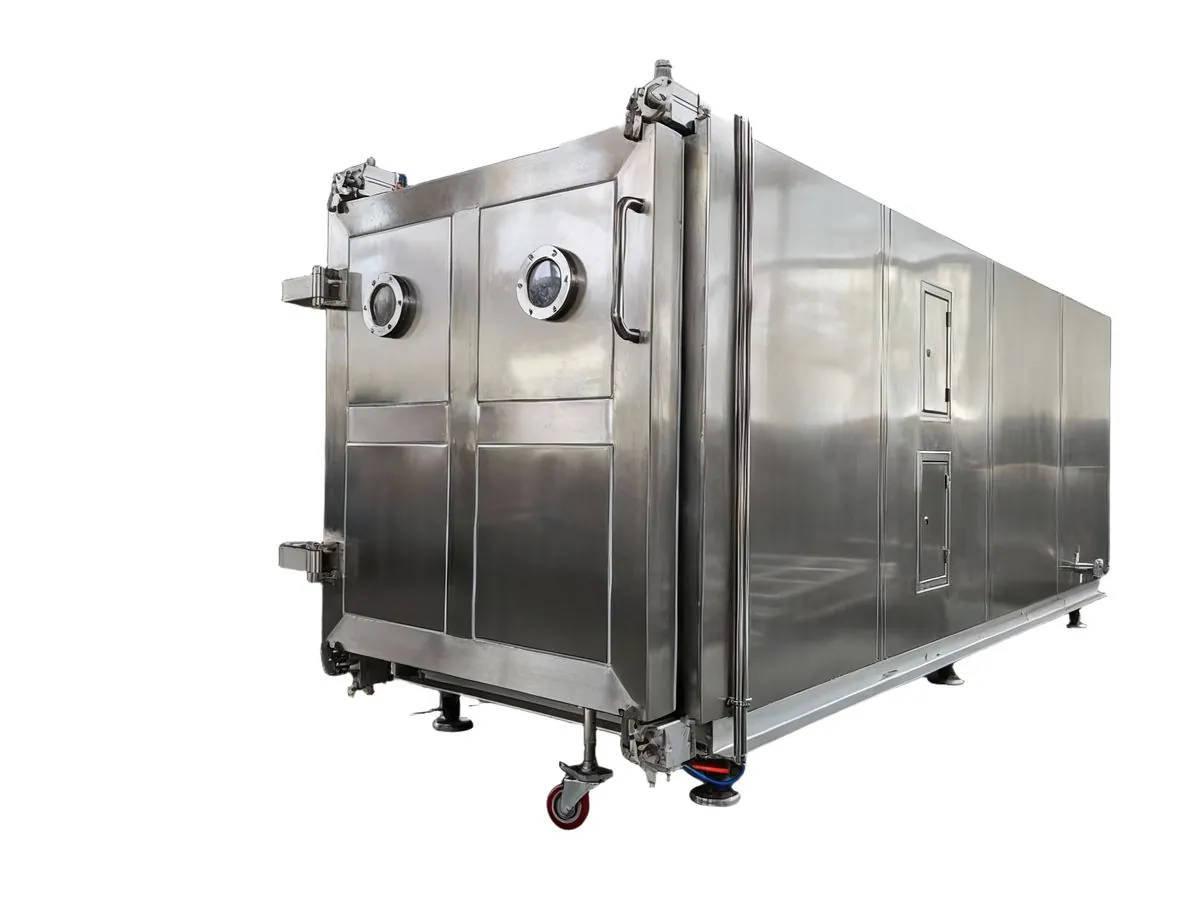
Start from your product and your target batch size, then check which model fits. The table above shows our three models. If you are between two sizes, talk through your product and loading pattern with the supplier, and confirm in writing with your supplier which model matches your batch.
Ignoring installation requirements
A freeze dryer is not a machine you plug in and switch on. It needs floor space for the chamber, room around it for loading and service, and a power supply that matches the nameplate. Our models are rated at 35kW for the QS-FD-20 and 135kW for the QS-FD-100 and QS-FD-200, with an average draw of about 60% of the rated power in normal running. Check the footprint too: the QS-FD-20 measures 4500x1300x1400mm, the QS-FD-100 measures 7000x4000x2300mm, and the QS-FD-200 measures 12000x4000x2300mm.
Measure your site before you order, and confirm in writing with your supplier the power supply, floor space, access route and any water or drainage the installation needs. A machine that cannot fit through the door or cannot be powered on arrival is a costly mistake that a tape measure would have prevented.
Overlooking the vacuum system and cold trap
The vacuum system is the heart of a freeze dryer. It pulls the chamber down to the low pressure that lets ice turn directly into vapour, and it has to hold that pressure steadily through the whole cycle. A weak or poorly matched vacuum system means uneven drying and wet spots in the finished product. Ask how the vacuum system is built: our dryers use a Roots pump plus a screw pump, built for quiet operation, with food-grade silicone seals on the front door.
Ask about the cold trap as well. It catches the vapour before it reaches the pump, and its freezing capacity decides how much ice the dryer can handle in one batch. Ask the supplier to state the cold trap temperature and capacity in writing, and confirm in writing with your supplier that both suit your product and batch size.
Ignoring controls and automation
A freeze dryer runs long cycles with many small changes in temperature and pressure. Doing that by hand is slow and unreliable, so the control system matters as much as the steel. Our dryers use a Siemens S7-200 PLC with a Chinese and English touchscreen, four-zone heating accurate to ±0.1°C and a maximum heating temperature of 80°C. Four independent heating zones let the operator control different parts of the chamber separately, which helps keep drying even across all the trays.
Before you order, ask to see the control screen and the recipe settings. Can the operator save and repeat a recipe for each product? Can the machine record what happened during a cycle, so a bad batch can be traced? Ask the supplier to show these functions, and confirm in writing with your supplier exactly which control and automation functions are included.
Ignoring after-sales service and spare parts
A freeze dryer is a machine you will run for years, and parts wear out. Pumps need service, seals need replacing, and sensors drift over time. Before you buy, ask who will service the machine, how quickly spare parts can reach you, and what the supplier does when a machine stops in the middle of a production run. A supplier with no service plan and no stock of common spares will leave you waiting.
Ask for the list of wear parts, how often each one needs replacing, and the delivery time for spares. Ask who provides remote support and who can visit your site. Put the answers in the contract, and confirm in writing with your supplier the response time and the spare parts that are covered.
Skipping the trial production run
A specification sheet describes what a dryer should do. A trial run shows what it actually does with your product. Send the supplier a sample of your real raw material and ask them to run a trial batch. Check the finished product yourself: the colour, the shape, the texture and how it rehydrates. If the product does not meet your standard, it is far better to learn that before you order than after the machine arrives.
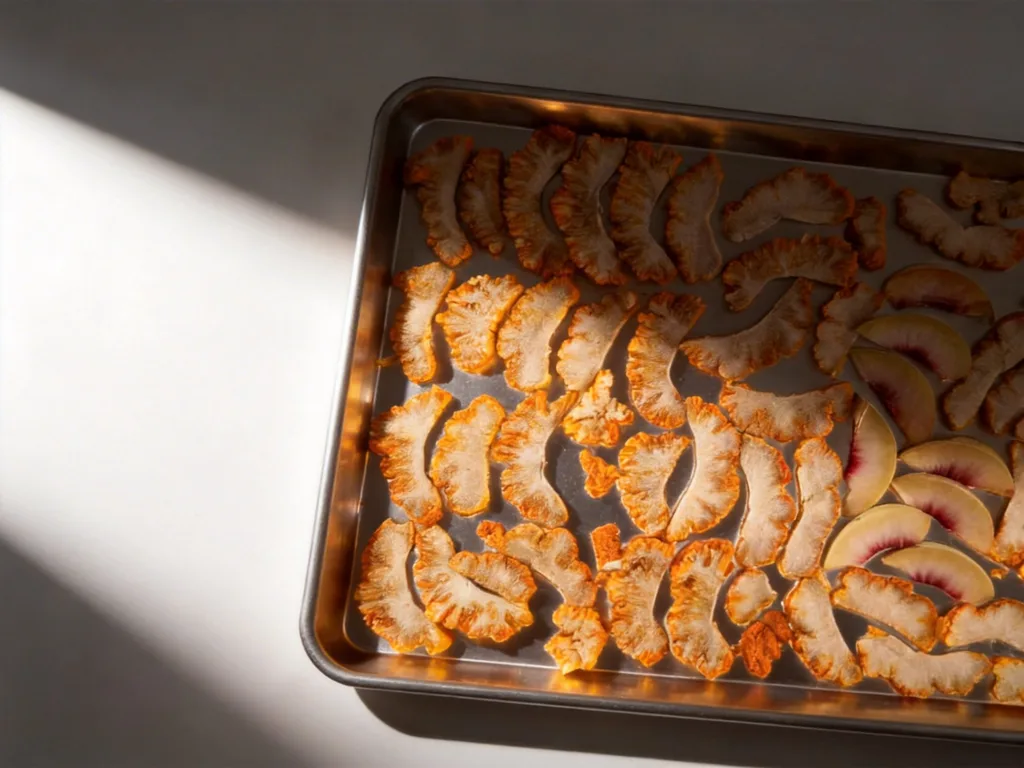
Agree the trial in advance: how much material to send, what the supplier will measure, and what report you will receive. Keep a sample of the trial product for comparison with your own production later. Confirm in writing with your supplier what the trial covers and what happens if the result is not acceptable.
Checking the manufacturer before you order
A freeze dryer is a large piece of equipment, and the company behind it matters. Check how long the supplier has built freeze dryers, whether it makes the machine in its own factory, and whether it can show you a machine running. A visit to the factory, or at least a live video walkthrough, tells you more about build quality than any brochure.
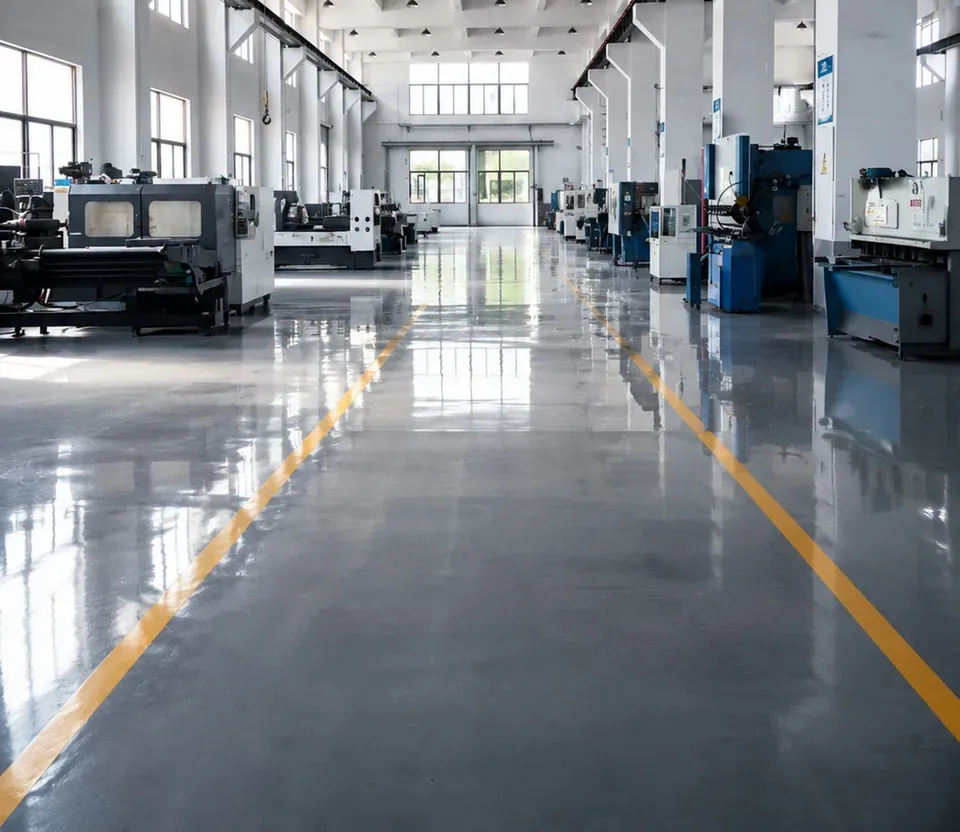
Ask for references you can contact, and ask the supplier to show the factory, the workshop and the machines under construction. If a supplier cannot show you where the machine is made, treat that as a warning sign. Confirm in writing with your supplier the factory address, the manufacturing scope and the delivery terms.
Contract and paperwork checklist
Before you sign, read the contract line by line and check that every promise made during the sale is written down. A verbal promise that is not in the contract is hard to enforce later.
- Model and specifications: model, drying area, tray count and power rating, matching the specification sheet.
- Warranty terms: what is covered, for how long, and what is excluded.
- Lead time and delivery: delivery terms and installation scope.
- Spare parts: spare parts list and delivery times.
- Trial run: trial run terms and acceptance standard for the finished product.
- After-sales service: service, response time and training included.
If anything is unclear, ask before you sign, and confirm in writing with your supplier every change to the agreement. A careful contract protects both sides and prevents most disputes before they start.
Frequently asked questions
What is the most common mistake when buying a freeze dryer?
Judging by price alone. A cheaper machine can cost more over its working life through higher power use, more frequent repairs and longer downtime. Compare the total cost of ownership, including installation, power, spare parts and service, and confirm in writing with your supplier what the price covers before you decide.
How do I choose the right size of freeze dryer?
Start from your product and your target batch size, not from drying area alone. How the product is loaded on the trays and how thick the layer is decide how much a batch holds. Check the drying area, tray count and batch capacity of each model, and confirm in writing with your supplier which model fits your product and batch.
Should I run a trial batch before I buy?
Yes. A trial batch with your own raw material shows what the dryer actually does with your product, including the colour, shape and texture of the finished product. Agree in advance what the trial covers and what report you will receive, and confirm in writing with your supplier what happens if the result is not acceptable.
What should I check in the contract before signing?
Check that the model, specifications, warranty terms, lead time, delivery terms, spare parts, trial terms and after-sales service are all written down. Anything promised during the sale but missing from the contract is hard to enforce later. Confirm in writing with your supplier every change to the agreement before you sign.
Talk to us about your freeze dryer
Tell us your product and target batch size — we will help you choose the right model and avoid the mistakes in this guide. Explore the range on our freeze dryer page.
Specifications are for reference only and are subject to the final supplied equipment.