What rehydration is
Rehydration is adding water back to a dried food so it returns toward its original softness, shape, and texture. For freeze dried food, it is the step the end user experiences: a light, dry piece goes into water and should come back looking and feeling like food again. Quick, even rehydration tells the buyer the drying was done well; a hard centre tells them the opposite.
For consumers, it decides whether a freeze dried soup, snack, or instant meal is pleasant to eat. For manufacturers, it decides whether a product earns repeat orders — which is why rehydration testing belongs in product development and batch checks.
Why the porous structure matters
Freeze drying removes water by sublimation: ice inside the product turns directly into vapour under vacuum, without passing through the liquid stage. The food barely shrinks, leaving a network of tiny pores where the ice crystals used to be — like a sponge with its holes still open. Rehydration is water travelling back into that network: open pores let water in quickly, while collapsed pores leave the piece hard or soft only on the outside.
This is why freeze dried food rehydrates better than hot-air dried food, which shrinks as water leaves, closing the pores and hardening the surface. The pore structure is set during freezing and drying, so rehydration quality is largely decided before the product reaches the consumer.
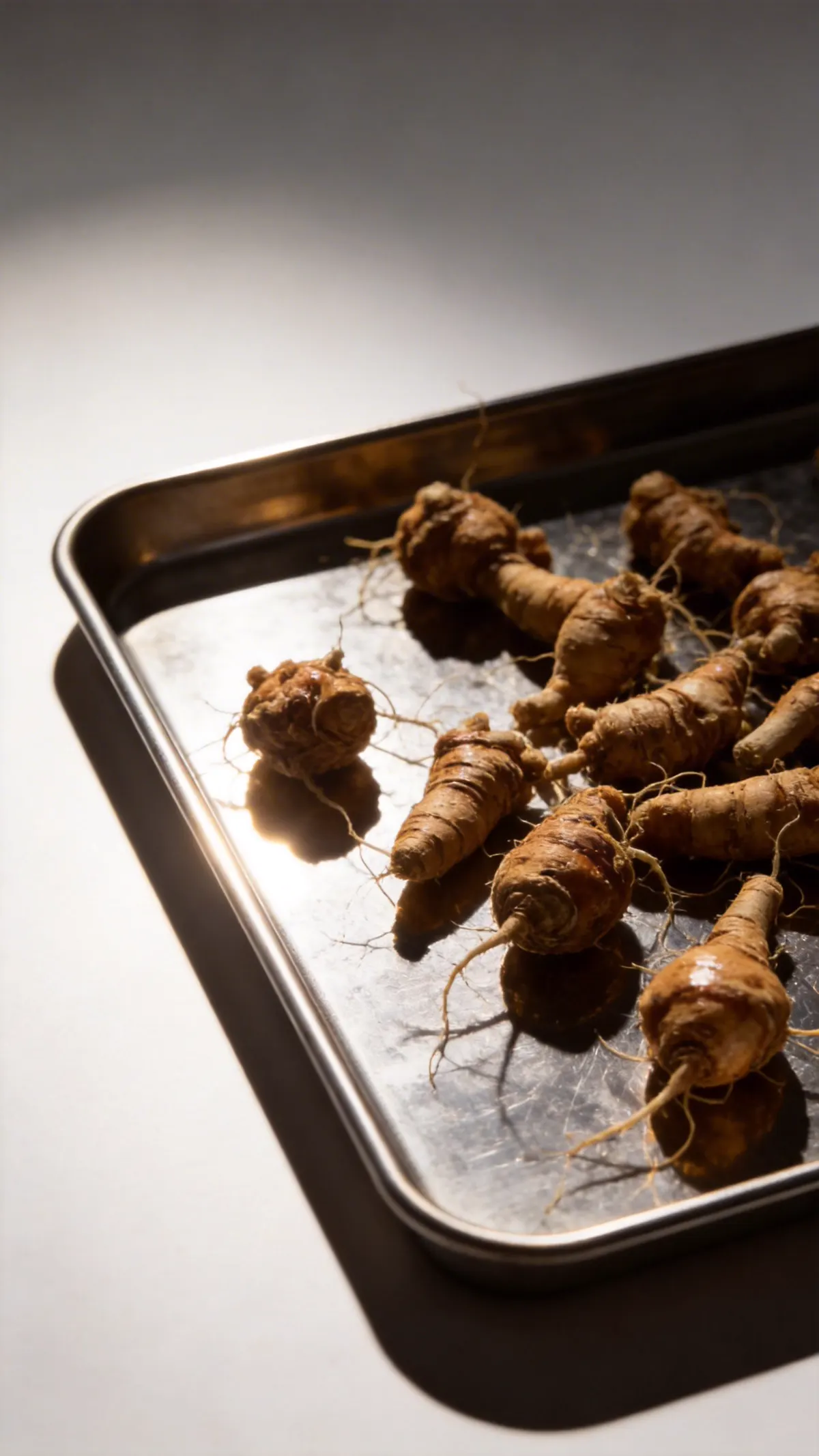
The tremella above shows successful rehydration: light, shrunken pieces swollen, soft, and translucent. Not every product changes this visibly, but the principle is the same.
What affects rehydration
Several factors work together:
- Thickness and piece size. Water travels from surface to centre, so thin slices rehydrate faster and more evenly than thick chunks, and mixed thicknesses finish at different times.
- Porosity. The more open the pore network, the easier water moves in. Porosity is set during freezing and drying, so a collapsed structure rehydrates slowly however long it soaks.
- Water temperature. Warm water usually moves into the pores faster, giving quicker, more even softening; cold water still works but takes longer. Test with your own product and follow your validated instructions.
- Soaking time. Stopping too early leaves the centre firm; soaking past full softness can make pieces fall apart. The right time is the shortest that gives full, even softening — found by testing, not guessing.
- Stirring and water contact. Pieces that float, clump, or pile up rehydrate unevenly, so stir gently or spread pieces out. Powders need stirring most: dry powder forms lumps that stay dry inside.
- Product form. Thin slices rehydrate fastest; dices and whole pieces take longer; powders wet fast but can clump. Name the form in your instructions — a time that suits slices will not suit whole pieces.
None of this is a fixed recipe. Test with your own product, write the conditions down, and repeat them the same way each time.
How manufacturers test rehydration
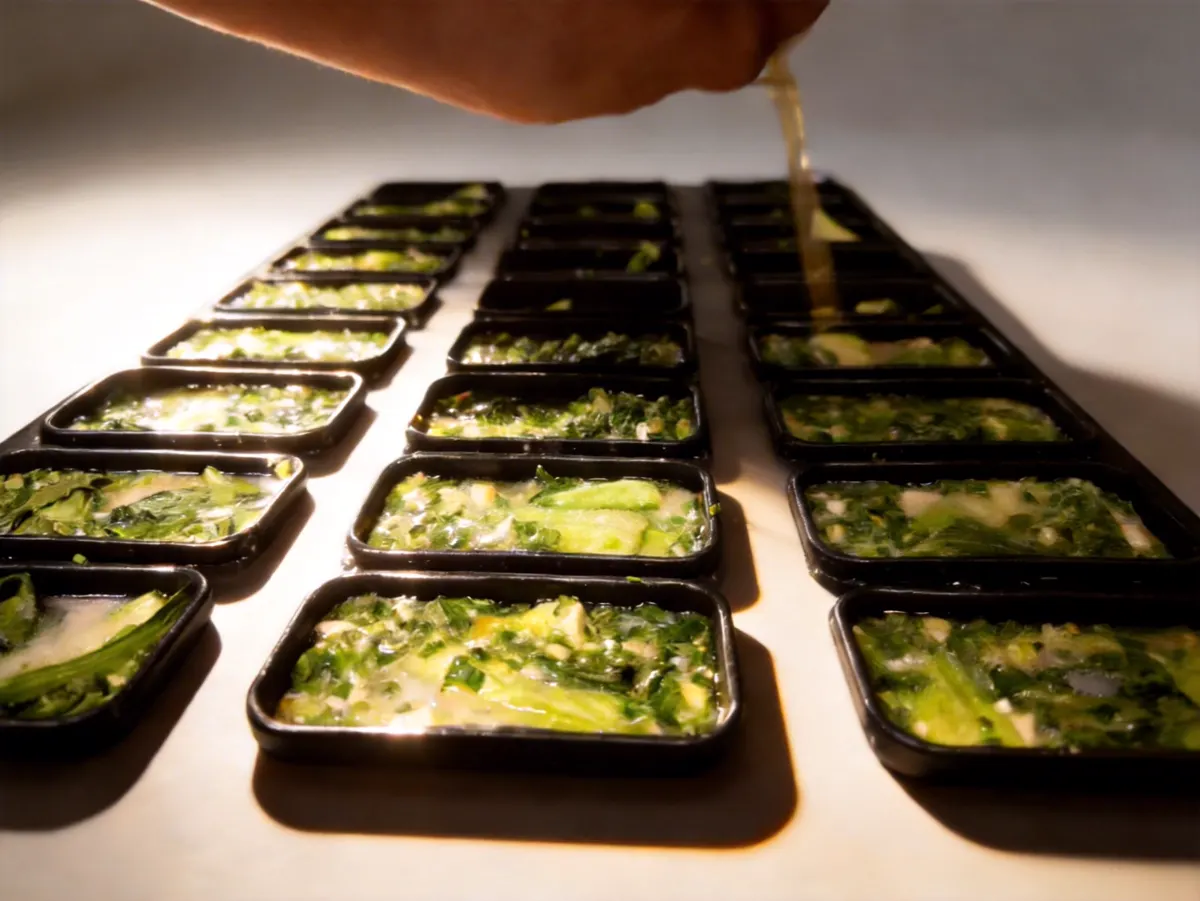
Manufacturers need a repeatable way to judge rehydration: three checks, all under written, repeatable conditions:
- Weighing before and after. Weigh a sample, soak it under defined conditions, drain it, and weigh it again: the weight gain shows how much water it took up. Write the conditions down and repeat them the same way each time, or batches cannot be compared.
- Visual check. Look at the soaked pieces: have they regained a shape and colour close to fresh, and are all pieces evenly swollen? Uneven swelling points to uneven piece size or drying.
- Texture check. Feel the soaked pieces by hand, and taste them if the product is food. A good result is soft all the way through, with no hard centre and no mushy outside. Record it in plain words.
Test samples from different trays: if results differ, the cause is likely in the drying, not the soaking. Keep results in the batch record.
Common rehydration problems and their causes
Slow uptake
Pieces take much longer than expected to soften — likely slices cut too thick, a pore structure that collapsed during drying, or water too cold for the product. Test thinner, more uniform slicing and review the drying cycle.
Uneven softening
Some pieces soften fully while others stay firm — usually mixed piece sizes, uneven tray loading, or pieces clumping during soaking. Test stricter size sorting and gentler handling.
Pieces that stay hard
A piece hard in the centre after a long soak often has case hardening: the outside dried into a dense skin that blocks water, and longer soaking will not fix it. Test gentler heating and more even slice thickness.
Pieces that fall apart
A piece that turns to mush may have been over-dried into a fragile structure, or soaked too long. Test a shorter soaking time first, then review the drying cycle.
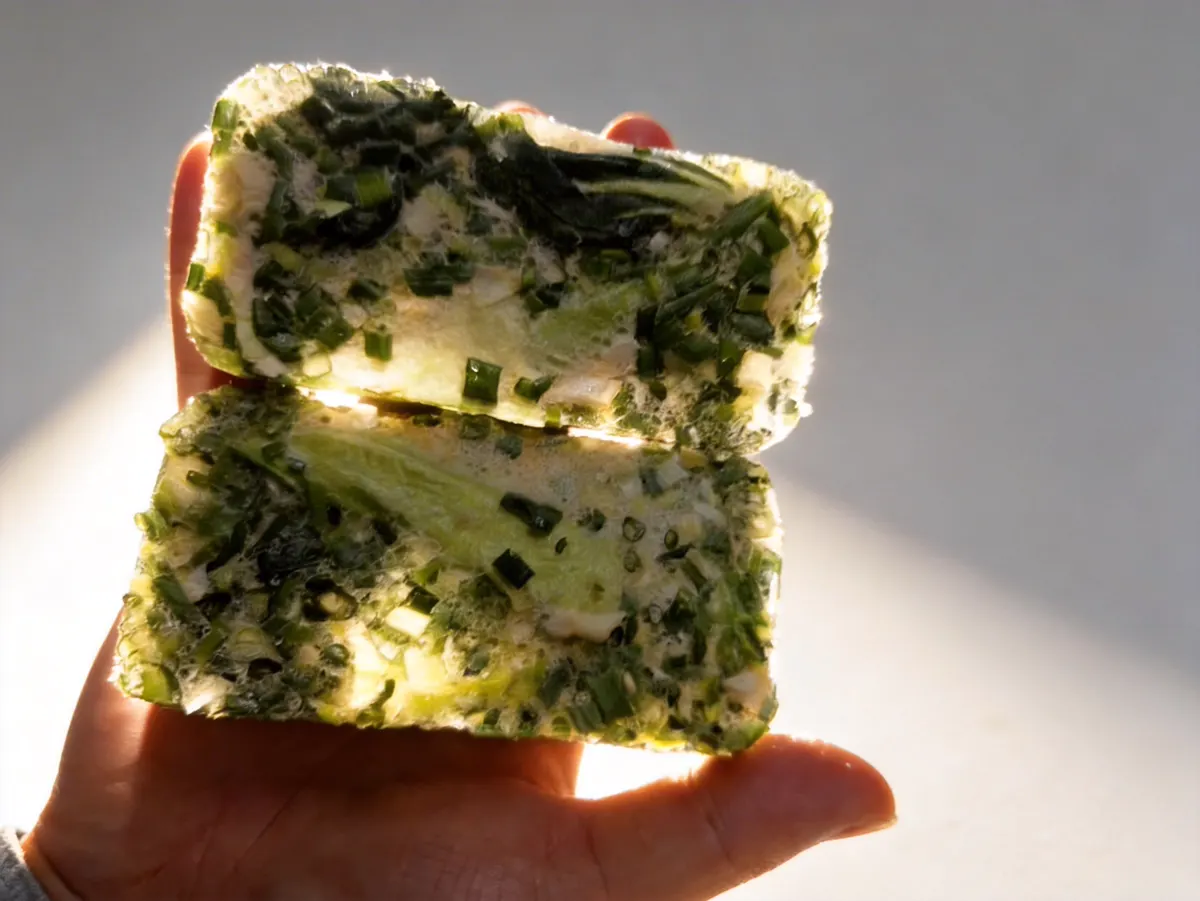
When a problem appears, change one thing at a time — changing several things at once hides which change helped.
Guidance for end users and manufacturers
For end users
For the person eating the product, good rehydration is mostly about following the pack instructions and giving the product enough time. Use the water amount and temperature the pack recommends, spread the pieces out, stir gently once or twice, and wait until they are soft all the way through. Do not soak long past full softness, and store unused product sealed and dry, since damp pieces rehydrate poorly.
For manufacturers
For a manufacturer, rehydration is a product specification, not a serving suggestion. Define the target in writing — fully soft through the centre, shape regained, no hard pieces — so two testers reach the same verdict. Control the inputs: uniform slice thickness, even tray loading, and consistent pre-treatment protect the pore structure. Test every batch on samples from several trays, and file the result with the drying cycle and raw material lot for later tracing. Test the pack instructions too, exactly as a customer would: if they fail, the instructions are wrong, not the customer.
How equipment choices relate to rehydration
Rehydration quality is set during drying, so the dryer itself is part of the answer. Even drying across all trays protects the pore structure: when every tray receives the same heat, every piece dries and rehydrates the same way; uneven heating shows up in the test as uneven softening.
That is why shelf heating control matters. A QS-FD freeze dryer uses four-zone heating controlled to within ±0.1°C, with a maximum of 80°C, under Siemens S7-200 PLC control with a touchscreen. The four zones manage heat evenly, avoiding the overheating that collapses pores and causes case hardening. Stable, repeatable cycles keep rehydration results consistent.
QS-FD freeze dryer range (reference)
| Model | Tray area | Trays | Power | Dimensions | Batch |
|---|---|---|---|---|---|
| QS-FD-20 | 20.16㎡ | 84 | 35kW | 4500x1300x1400mm | ~200kg/batch |
| QS-FD-100 | 103.68㎡ | 432 | 135kW | 7000x4000x2300mm | ~1t/batch |
| QS-FD-200 | 207.36㎡ | 864 | 135kW | 12000x4000x2300mm | ~2t/batch |
Shared: SUS304 square chamber, -60°C, R404A/507, ±0.1°C heating control, max 80°C, Siemens S7-200 PLC, Roots + screw vacuum pumps, food-grade silicone seals.
Choosing between the three models is a question of batch size: the QS-FD-20 suits runs of around 200kg per batch, the QS-FD-100 around one tonne, and the QS-FD-200 around two tonnes. Standard terms are a 1-year warranty and an approximate 3-month lead time. Specifications are for reference only and are subject to the final supplied equipment.
If you are choosing a dryer and rehydration quality matters, ask for a sample run on your own raw material and test it with the checks in this guide. A sample run tests the whole chain — freezing, drying, and rehydration — on your product.
Frequently asked questions
What is rehydration in freeze dried food?
Rehydration is adding water back to a freeze dried product so it returns toward its original softness, shape, and texture. Freeze drying removes water by sublimation without shrinking the food, so the dried piece keeps a porous structure water can move back into. How completely and evenly it rehydrates is one of the clearest quality signals.
Does warm water rehydrate freeze dried food faster than cold water?
In general, warm water moves into the porous structure faster than cold water, giving quicker, more even softening. Cold water still works but takes longer, and very cold water can leave the centre of thick pieces firm. The right temperature depends on the product, so test with your own product and follow your validated instructions.
Why do some freeze dried pieces stay hard after soaking?
The most common causes are pieces cut too thick, uneven drying, or case hardening, where the outside dried into a dense skin that blocks water. Other causes include product packed while still damp, or storage that let pieces absorb moisture. Each cause points to a different adjustment, starting with slice thickness and drying evenness.
How do manufacturers test rehydration quality?
A standard test is to weigh a sample, soak it under defined conditions, drain it, and weigh it again: the weight gain measures how much water the product took up. Combine it with a visual check of shape and colour and a texture check by hand or by tasting. The test is only useful when the soaking conditions are written down and repeated the same way each time.
Can rehydration quality be improved by changing the drying process?
Yes, in many cases. Rehydration quality is set largely during drying: even freezing, uniform slice thickness, and even heating across the shelves protect the open pore structure water later needs. A dryer with stable, evenly controlled heating, such as a QS-FD freeze dryer with four-zone heating controlled to within plus or minus 0.1 degrees Celsius and a maximum of 80 degrees Celsius, gives a better basis for repeatable results. Test any change on a small batch first.
Plan your freeze drying line
Tell us your target output and products — we will help you size the dryer and test rehydration on your own material.
Specifications are for reference only and are subject to the final supplied equipment.