Why vacuum fry fruit chips
Fruit chips made in open oil fry fast and hot, and the colour and flavour pay the price. Vacuum frying changes the physics of the step: lowering the pressure inside the vessel lets water leave the fruit at 80–100°C, well below open-frying temperatures. The result is a chip that keeps more of its natural colour, shape and flavour — the qualities snack buyers notice first when they open the bag.
For a manufacturer, the second advantage is the oil. After frying, an in-chamber centrifuge spins off surface oil before the vessel opens, and a well-run process finishes with an oil content below 18%. That matters twice: the chip feels dry instead of greasy, and the frying oil stays cleaner and lasts longer. Together, gentler heat and lower oil make vacuum fried fruit chips a stronger product than a conventionally fried one — and a clearer story on the pack.
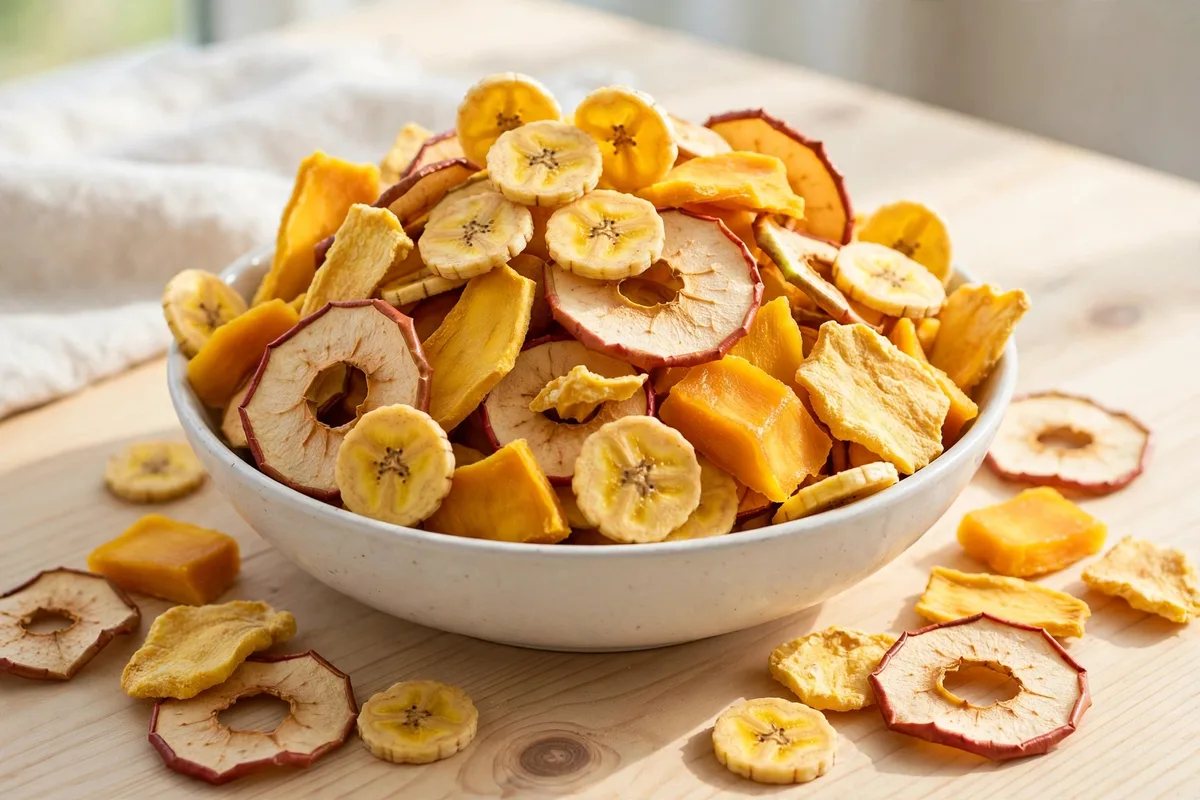
Which fruits suit vacuum frying
Not every fruit behaves the same way in the fryer. The best candidates share three traits: firm flesh that holds its shape, enough natural sugar to colour gently without burning, and slices that dry evenly through the batch. The list below is a practical starting point for product development — always verify each new fruit with your own product trials before committing to a production run.
Fruits that usually work well
- Apple: firm flesh, even slices, and a colour that stays bright at low temperature. A reliable first product for a new line.
- Banana: slices well, fries evenly, and gives a sweet, familiar chip. Watch ripeness closely — overripe bananas soften and darken.
- Jackfruit: firm, fibrous flesh that holds its shape and comes out with a strong natural flavour. Popular in Southeast Asian snack markets.
- Mango: rich colour and flavour, but the flesh is soft, so slice thickness and handling need extra care.
- Pineapple: firm rings or chunks with a bright colour and a sweet-tart taste that stands out on the shelf.
- Other options: durian, kiwi and dragon fruit also work for many producers. Each one needs its own trial, because thickness, sugar and water content all change the result.
Fruits to handle with care
- Strawberry: delicate flesh that bruises and breaks easily. Slice gently, handle in small batches, and do not blanch.
- Very watery fruit: watermelon and citrus segments carry a lot of water, which makes even drying harder. Test in small batches first.
- Very soft, fully ripe fruit: overripe fruit loses its shape in the oil and colours unevenly. Use fruit at the ripeness your trials confirm, not the ripest fruit on hand.
Preparing fruit for vacuum frying
Preparation decides more of the result than the fryer does. Start by sorting the fruit: remove damaged, overripe or underripe pieces, because one bad piece in a batch shows up in the finished chip. Wash and peel as the product requires, then slice. Slice thickness is the single most important preparation variable — a thick slice and a thin slice in the same basket can never finish evenly, so use one slicer setting for the whole batch and sort out pieces that fall outside it.
Blanching is part of preparation for some products and not for others. It is standard for chips and fries, and strongly recommended for root vegetables, where it helps even colour and texture. Delicate fruits such as strawberry and mango are usually not blanched — the hot water damages their soft flesh. Pre-freezing before vacuum frying is an optional variant some producers use for certain products, not a default step; confirm with your supplier and your own product trials whether it suits your fruit before building it into your process.
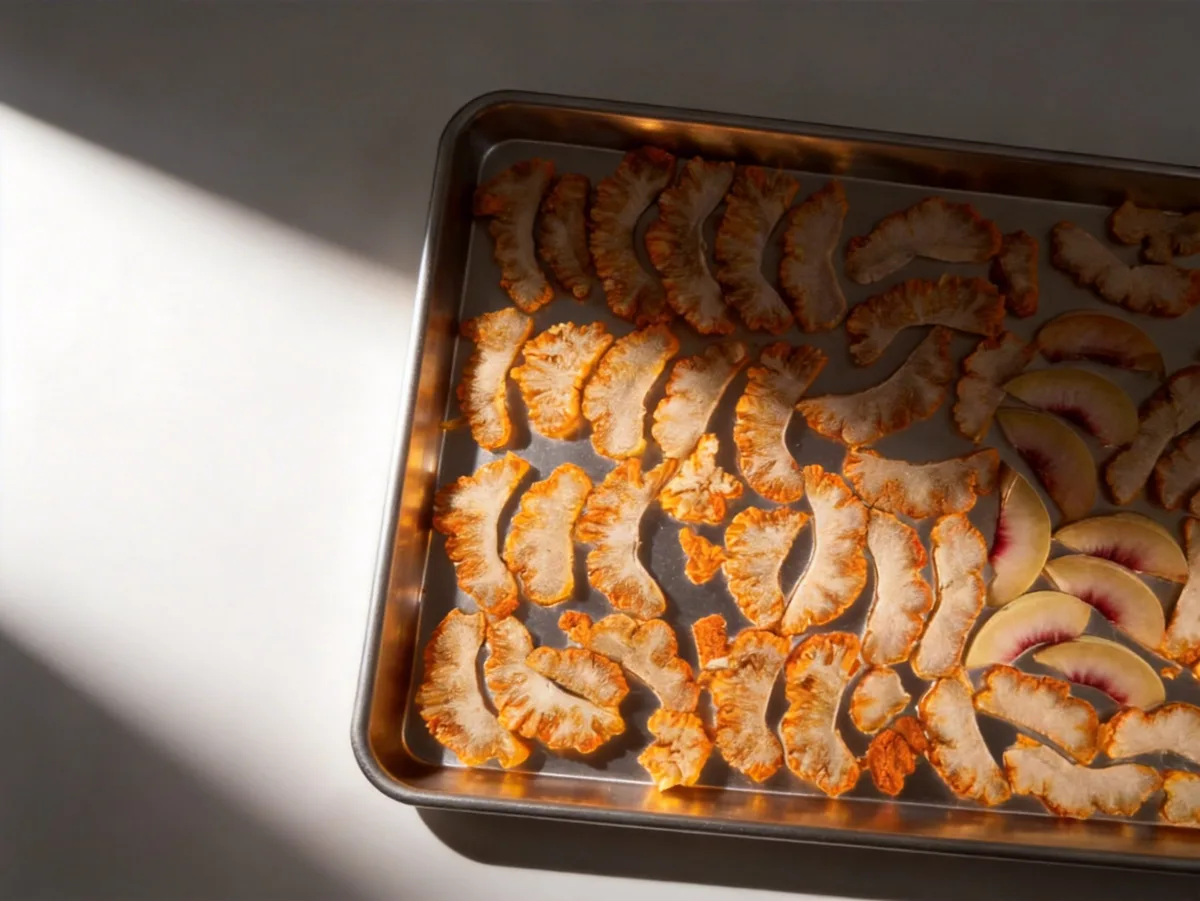
The low-temperature vacuum frying process
The process follows the same five steps for every fruit, with the settings adjusted to the product. First, load the basket in a single, even layer so the oil can move around every piece. Then seal the vessel and draw the vacuum. Once the pressure is down, the oil is heated to 80–100°C and the fruit fries at that low temperature. After frying, the centrifuge spins the product inside the chamber to throw off surface oil, and only then is the vacuum released and the basket unloaded.
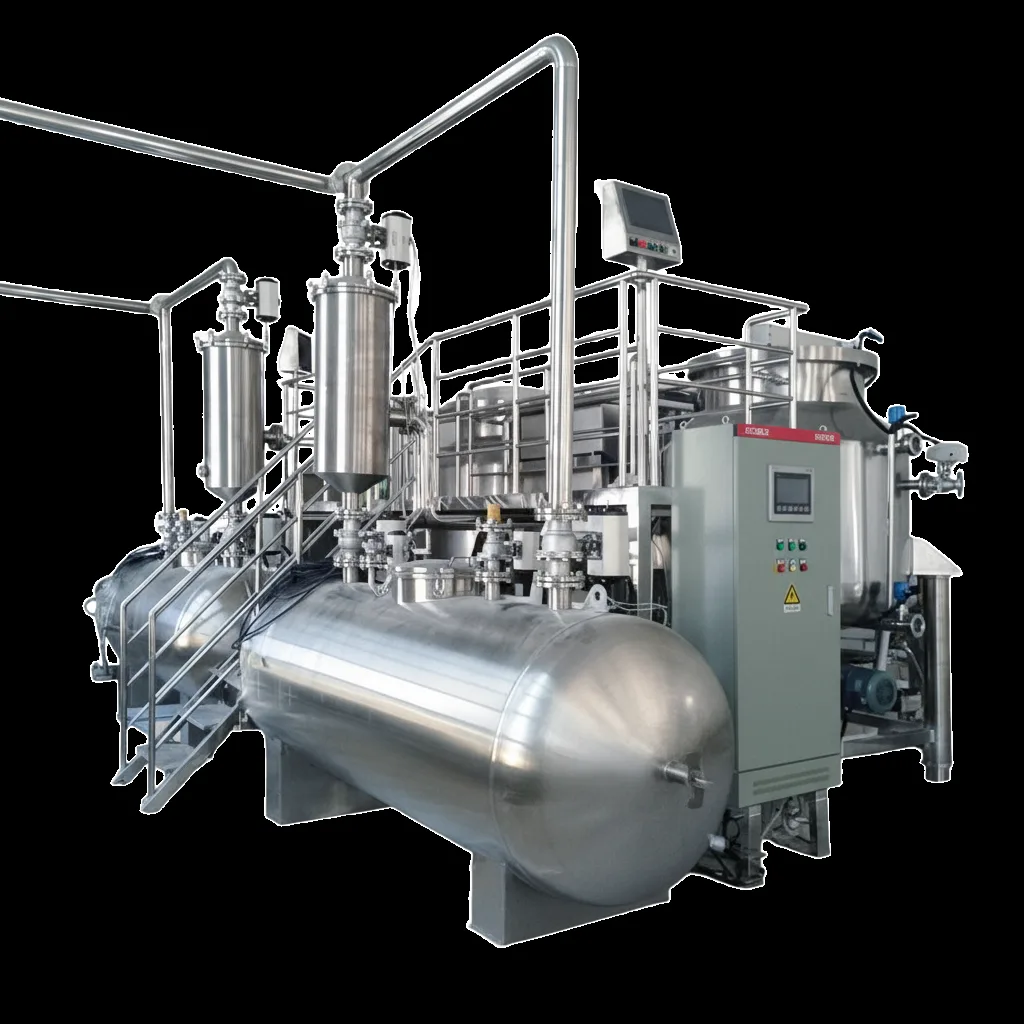
QS vacuum fryers run this cycle from a Delta PLC with an MCGS touchscreen, which controls the frying, the vacuum, the heating and the centrifuge. The operator's job is to watch the process, not to improvise on it: confirm the temperature setting, confirm the vacuum holds, and confirm the de-oiling cycle completes before the vessel opens. When you adjust a setting, change one variable at a time and run a test batch, so you know which change caused the difference.
Quality points that decide the final product
A good vacuum fried fruit chip is judged on four things: colour, shape, texture and how dry it feels. Each one traces back to a point you can control. Colour depends on fruit ripeness and even heat, so sort the fruit and keep the temperature at the setting your trials confirmed. Shape depends on slice thickness and gentle handling — uniform slices, loaded in one layer, keep their form instead of curling or breaking.
Texture and oiliness depend on the oil and the de-oiling step. Filter the oil between batches as the manual describes, and keep it in good condition; dark, cloudy oil full of fine crumbs clings to the product and fries unevenly. Always let the centrifuge run its full cycle inside the chamber, and check that the basket is clean and the oil drain path is clear. Keep a batch record for every run — fruit, ripeness, slice thickness, temperature setting, load and result — so a good batch can be repeated and a bad one can be traced.
Packaging and storage considerations
Pack the chips only after they have cooled fully. Packing warm product traps moisture inside the bag, and moisture is the main enemy of a crisp chip. Keep the finished product dry, away from heat and direct light, and seal the pack properly — a chip that picks up moisture after frying loses its crunch no matter how well it was made.
Do not print a shelf-life date on the pack until you have verified it with your own product trials. Storage behaviour depends on your fruit, your process, your packaging and your storage conditions, so confirm with your own testing rather than copying a number from another producer. The same applies to any claim about the product on the label: check it against your own results first.
Choosing the right vacuum fryer
Choose the fryer by the batch you run most often, not by the largest batch you might run one day. A basket loaded beyond its level fries unevenly and de-oils badly, so a machine matched to your real batch size will give you better chips than a larger machine run half-full. Think about your product mix too: if you plan to run several fruits, confirm with your supplier that the machine and the basket suit each one, and ask about the spare parts you should keep on hand.
QS vacuum fryers are built in 304 stainless steel and controlled by a Delta PLC with an MCGS touchscreen. The QS-300, the largest model, has a vessel 2600mm high and 1600mm in diameter. All three models carry a 1-year warranty, and the approximate lead time for a new machine is 3 months — factor both into your launch plan.
QS vacuum fryer models
| Model | Batch size |
|---|---|
| QS-VF100 | 100KG/batch |
| QS-VF150 | 150KG/batch |
| QS-300 | 300KG/batch |
- Low-temperature vacuum frying at 80–100°C
- Oil content below 18% with in-chamber centrifugal de-oiling
- Delta PLC + MCGS touchscreen control
- 304 stainless steel construction
- QS-300 vessel: 2600mm high × 1600mm diameter
Frequently asked questions
Which fruits are best for vacuum fried chips?
Apple, banana, jackfruit, mango and pineapple are the usual starting points: firm flesh, good natural colour and slices that dry evenly. Durian, kiwi and dragon fruit also work for many producers. Delicate or very watery fruit needs more careful trials, so test each new fruit in small batches before committing to a production run.
Why is vacuum frying done at 80–100°C?
Lowering the pressure inside the vessel lets water leave the fruit at 80–100°C, well below open-frying temperatures. The gentler heat keeps more of the fruit's natural colour, shape and flavour, and the chips come out looking closer to the fresh fruit. That is the main quality advantage of vacuum frying over open frying.
How do I keep vacuum fried fruit chips from turning out oily?
Check three things: load the basket in a single even layer, let the in-chamber centrifuge run its full de-oiling cycle, and keep the oil filtered and in good condition. An overloaded basket or a skipped de-oiling step leaves surface oil on the chips. A well-run process finishes with an oil content below 18%.
What size vacuum fryer do I need for fruit chips?
Match the machine to your batch size: the QS-VF100 handles 100KG per batch, the QS-VF150 handles 150KG per batch, and the QS-300 handles 300KG per batch. Choose by the batch you run most often, not the largest batch you might run one day. QS vacuum fryers carry a 1-year warranty and an approximate lead time of 3 months.
Plan your fruit chips line
Tell us your fruit, your batch size and your target product — we will help you size the right vacuum fryer. See the range on our vacuum fryer page.
Specifications are for reference only and are subject to the final supplied equipment.