The same carrot, two different colors
A buyer once held up two bags of carrot chips from the same factory. Same carrot, same supplier, same week. One bag was bright orange. The other was dull, almost brown. The factory owner had no answer.
That is how color problems usually show up. Not as a sudden disaster, but as drift. One batch looks right, the next looks tired, and nobody can say what changed. Something small moved, and color was the first thing to show it.
Color is the first thing a buyer judges. Before they taste a chip, before they read a label, they look at the bag. A faded chip reads as old, even when it is fresh. A bright chip reads as careful, even before anyone tastes it. For a snack producer, color is not decoration. It is the first quality signal the buyer gets.
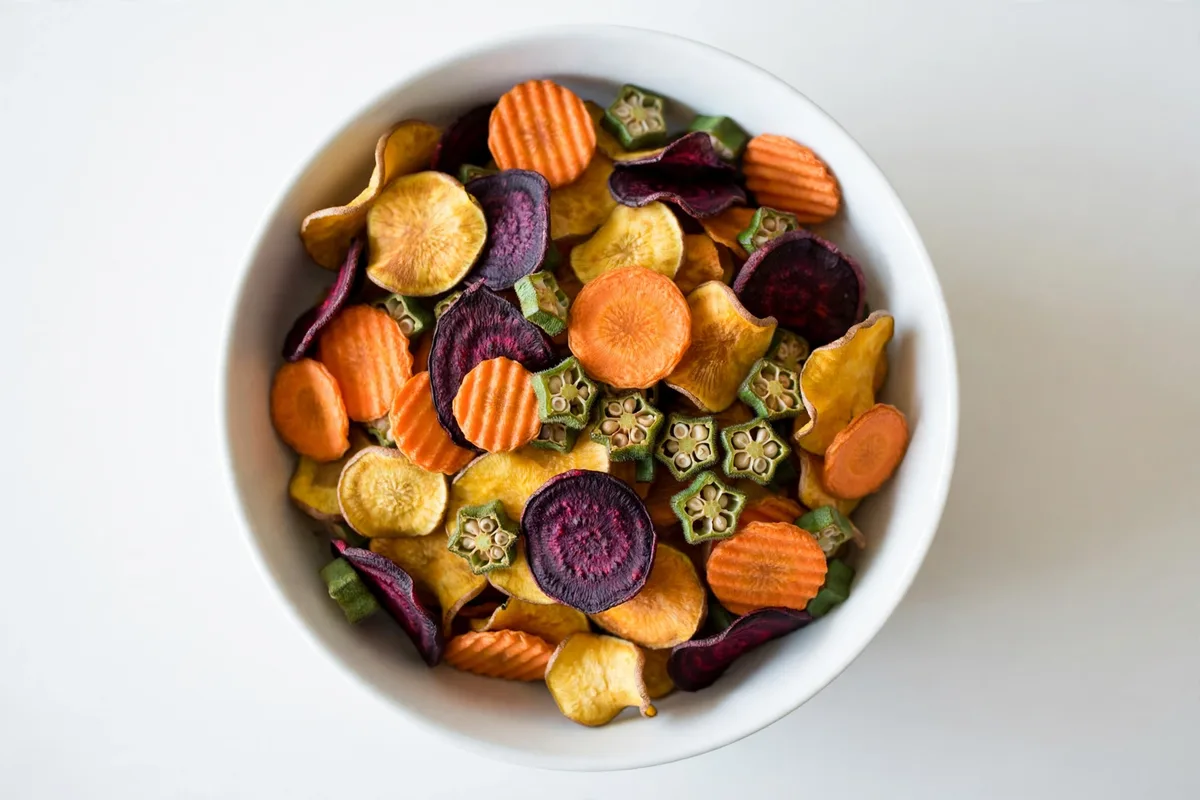
Why vacuum-fried snacks lose color
Four things take color out of a snack: heat, oxygen, light, and tired oil. They work at different stages, and they stack. A batch that loses a little color at each stage comes out looking nothing like the raw material.
Heat
Heat is the biggest one. Pigments break down when they get hot enough, and the longer they stay hot, the more they lose. That is why open frying turns vegetables brown so fast — and why vacuum frying exists at all: under vacuum, water leaves at 80–100°C, low enough that most pigments survive. But low heat is not no heat. A batch fried at the top of that range for longer than it needs still comes out duller than one fried at the bottom for the right time.
Oxygen
Oxygen is the quiet one. It works slowly, mostly after frying, and it never stops. Once the bag is open, or the seal is weak, oxygen gets at the pigments and fades them day by day. A chip that leaves the factory bright and arrives dull has usually met oxygen on the way — in a damp packing room, in a bag that did not seal, or under strong light.
Light
Light is oxygen's partner. Sunlight and bright shop lighting speed up the fading oxygen starts. The same chips look different on two shelves: one in the shade, one under a bright lamp.
Tired oil
And then there is the oil. Oil that has fried too many batches picks up color of its own — dark, used oil stains everything it touches. A fresh fill and a tired fill can fry the same carrot two different shades, and the difference is visible the moment the basket comes out.
A dull batch is rarely one cause. It is usually two or three small ones at once.
Temperature is the first lever
If you change one thing, change the temperature. Vacuum frying runs at 80–100°C, and that range matters more than it looks. The bottom of the range treats color gently. The top fries faster but asks more of the pigments. Which end you use depends on the product, but the rule holds: fry as cool as the product allows, not as hot as the machine allows.
Start with a trial batch. Fry small, watch the color come out of the basket, and note the setting. Then fry the next trial a little cooler and compare the two side by side. Your own product in your own fryer tells you more than any general setting.
Watch the batch, not the clock alone. The batch is done when the slowest piece is done, not when the timer says so. Pull the basket too late and the pieces that finished first sit in hot oil losing color while the slow ones catch up. Even slices help: pieces cut to one size finish together, so nothing overcooks while it waits.
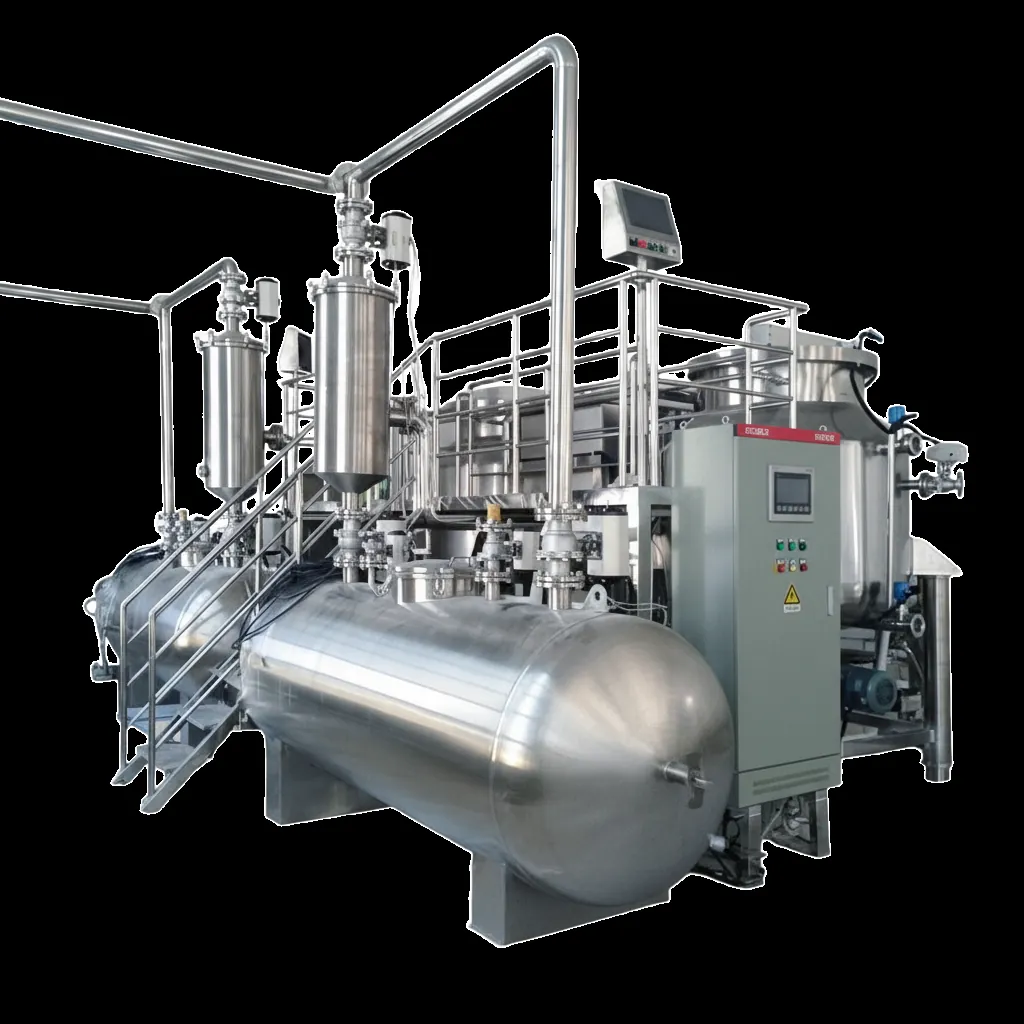
Pre-treatment: what to do before the fryer
Some color is lost before frying starts, and some is saved there.
Blanching — useful, but not for everything
Blanching is standard practice for potato chips and fries, and it is strongly advised for root vegetables such as carrot, sweet potato and beetroot. A short blanch steadies the color before the pieces ever meet the oil. But blanching is not universal. Delicate fruit such as strawberry and mango usually skip it — the heat and water would do more harm than good to a soft fruit that only needs a gentle fry. Ask what the product needs, not what the last product needed.
Sort the raw material by ripeness and size before you cut. An overripe piece holds more water and fries at a different rate from a firm one, and it comes out darker. A bruised piece comes out darker still. One dark piece in a pack is what the buyer remembers.
Cut to one even size per batch. Thin pieces finish early and sit in hot oil losing color; thick pieces stay pale and damp in the middle. When a batch comes out half bright and half dull, check the slicer first.
Pre-freezing is a separate question: an optional variant for some products, such as strawberries or chips and fries, where a frozen piece holds its shape better. It is not a default step. Check with your supplier or run a trial before adding it.
Oil condition shows up in color
Fresh oil is pale. Oil that has fried batch after batch is not: it darkens with use, and every piece fried in it picks up a little of that darkness. When your chips start drifting darker and nothing else has changed, the oil is the first suspect.
Filter the oil between batches. Crumbs and fine particles left in the oil burn a little more with every batch, and burnt particles darken the oil faster than frying alone. Clean oil keeps the color of the chips where it should be.
Change the oil on a schedule, not when the color forces you to. By the time the oil is visibly dark, it has already been staining batches for a while. Keep a note of how many batches each fill has fried, and decide the change point in advance. The right number depends on the product and the oil — check with your supplier — but the habit matters more than the exact count.
The fryer itself does not add color to the oil: the QS-VF150 runs a Delta PLC with an MCGS touchscreen, and the vessel is built in 304 stainless steel. Keeping the oil fresh is yours, not the machine's.
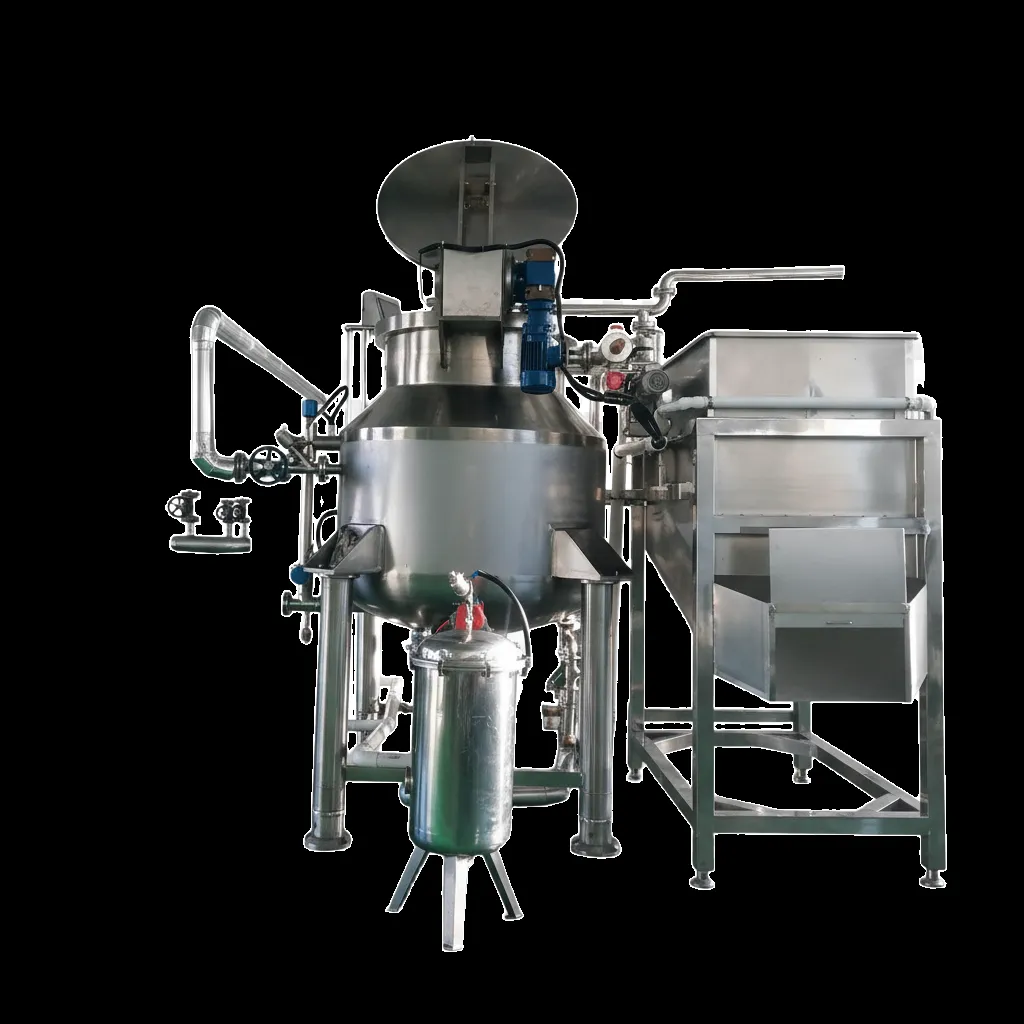
Cooling, packing and light after frying
Color is often lost after the fryer, in the quiet hour between the fryer and the bag.
Cool the chips in a dry, shaded place. Hot chips pull moisture straight out of humid air, and moisture dulls the surface. A heap left to cool stays warm and damp in the middle long after the outside feels dry, so spread the chips out.
Pack as soon as the chips are cool. The longer finished chips sit open, the more oxygen and light get at them. A packing line that stops and starts, leaving trays open under bright lights, will show up in the bags.
Pack in sealed bags or pouches that keep air and light out, and check the seal on every batch. A weak seal is a slow leak: the chips look fine on the day they leave the factory and fade on the shelf. Store the finished packs away from direct sunlight and strong shop lighting. The bag is the last defense color has.
One comparison to run in your next trial batch
Do not change five things at once. You will never know which one worked.
On your next trial batch, split one load of raw material in half. Fry one half at your usual setting and the other half a little cooler, with the same oil, the same cut, and the same packing. Lay the two results side by side in daylight. If the cooler half looks brighter, you have found your cheapest fix.
Write the two settings down. Color drift comes back when nobody remembers what changed, and a notebook is the cheapest color-control tool in the factory.
QS vacuum fryer models
| Model | Batch capacity | Vessel |
|---|---|---|
| QS-VF100 | 100KG/batch | — |
| QS-VF150 | 150KG/batch | — |
| QS-300 | 300KG/batch | 2600mm (H) x 1600mm (D) |
- Frying temperature: 80–100°C under vacuum.
- Finished oil content: under 18%.
- De-oiling: centrifugal, inside the chamber.
- Control: Delta PLC with MCGS touchscreen; 304 stainless steel.
- Warranty: 1-year warranty; lead time approx. 3 months.
Frequently asked questions
Why did one batch come out duller than the last?
Something small changed — usually the oil, the temperature, or the raw material. Check the oil first: if it has fried more batches since the last change, it is probably darker. Then check whether the raw material was riper or the slices were uneven.
Does vacuum frying really keep color better than open frying?
Yes, in most cases. Vacuum frying runs at 80–100°C, far below open frying temperatures, so the pigments are not cooked as hard. The difference is visible in root vegetables and fruit that brown fast in hot oil.
Should I blanch everything before vacuum frying?
No. Blanching is standard practice for potato chips and fries, and strongly advised for root vegetables. Delicate fruit such as strawberry and mango usually skip it. Blanch only the products that benefit from it, and run a trial first.
How do I know when to change the oil?
Keep a count of how many batches each fill of oil has fried, and decide the change point in advance. When the chips come out darker with no other change, the oil is overdue. Check with your supplier for a starting point.
My chips leave the factory bright but fade on the shelf. Why?
Oxygen and light are getting at them after packing. Check the bag seal on every batch, pack promptly in a dry room, and store the finished packs away from direct sunlight and strong lighting.
Talk to us about your vacuum frying line
Tell us your product and target output — we will help you size the fryer. Explore the range on our vacuum fryer page.
Specifications are for reference only and are subject to the final supplied equipment.