Why vacuum fried snacks start with a shelf-life advantage
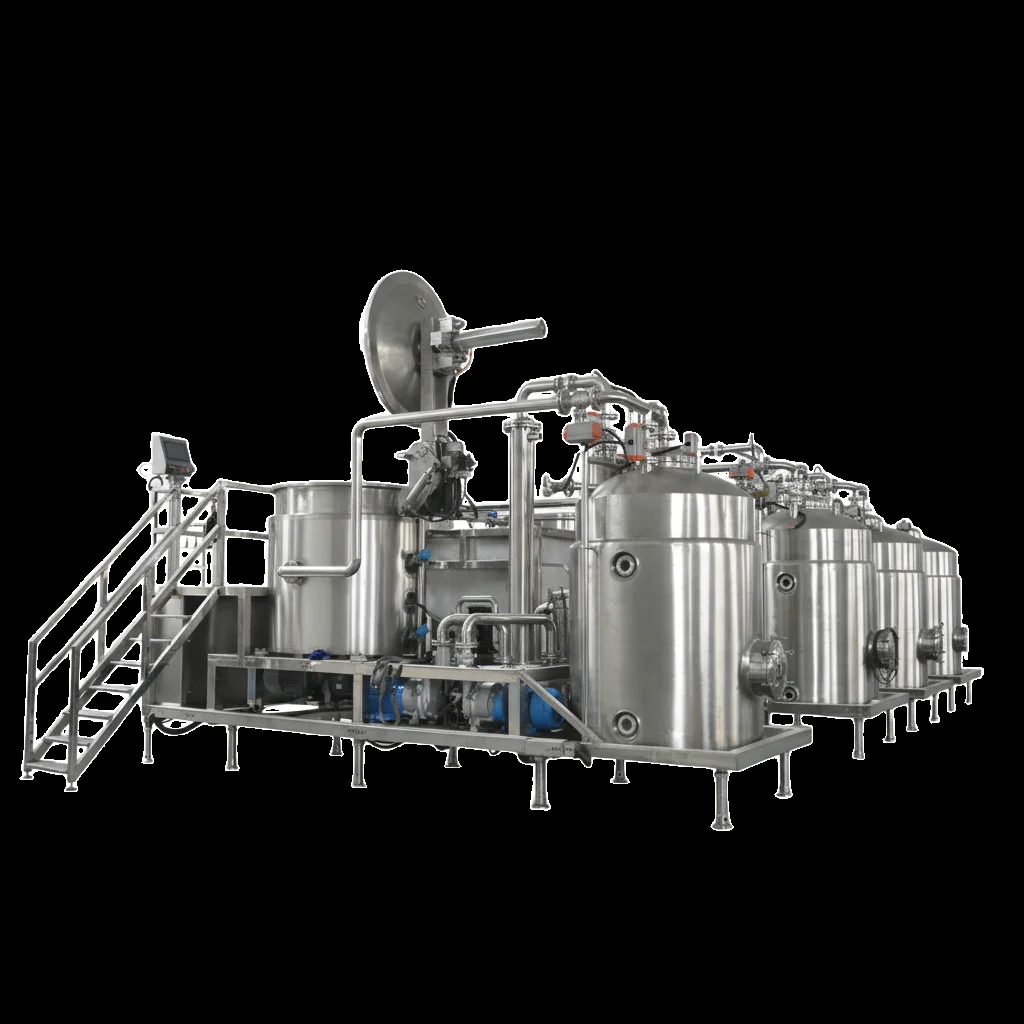
A snack's shelf life is not decided at the packing machine. By the time crisps reach the bag, their future is already written by two things: how much oil they carry, and how that oil was treated. Vacuum fried snacks start with two structural advantages over conventionally fried ones.
Less oil, better controlled. In-vessel centrifugal de-oiling — spinning the product while the fryer is still under vacuum, before re-pressurization — pulls surface oil off instead of letting it soak back in during cooling. Vacuum fried crisps routinely leave the fryer with oil content below 18%. Less oil means less fat available to oxidize, which is the single biggest driver of rancidity in stored snacks.
Less heat damage to the oil. Vacuum frying runs at 80–100 °C instead of the ~170 °C of conventional deep frying. At half the temperature, the frying oil degrades far more slowly — fewer oxidized compounds end up in the product, and the oil itself survives many more cycles (a key reason vacuum frying is reported to extend oil life substantially). A crisp fried in fresh, low-temperature oil ages far better in the bag than one fried in heat-stressed oil.
Lower moisture, set texture. The vacuum drives water out efficiently at low temperature, leaving a dry, glassy-crisp structure. Low residual moisture means the crisp resists softening and gives microbes no foothold — provided the package keeps it that way.
The three enemies: oxygen, moisture and light
Every shelf-life failure of a vacuum fried snack traces back to one of three attackers. Knowing them by name is what lets you pick the right packaging.
Oxygen — the rancidity driver
Even at below 18% oil content, the oil that remains will oxidize if oxygen reaches it. Oxidized oil produces the stale, painty, cardboard notes consumers call rancidity — and once it starts, it accelerates. The oxygen trapped inside a sealed pouch at ambient pressure is enough to start the process; oxygen that leaks in through the film keeps it going. This is why barrier films and nitrogen flushing (below) matter more than any additive.
Moisture — the crispness killer
Vacuum fried crisps leave the fryer dry and hygroscopic: they actively pull moisture from the air. A crisp that reabsorbs even a little moisture loses its snap first — the classic "soft chip" complaint — long before any food-safety limit is reached. Moisture enters through low-barrier film, through micro-leaks in seals, or during the vulnerable minutes between the fryer and the packing machine in a humid plant.
Light — the silent accelerator
Light — especially sunlight and strong retail lighting — accelerates oxidation of fats and fades natural colors (the bright orange of sweet potato, the cream of taro). Opaque or metallized packaging is the defense; transparent windows, however attractive on shelf, should be small if they exist at all.
Packaging that protects shelf life
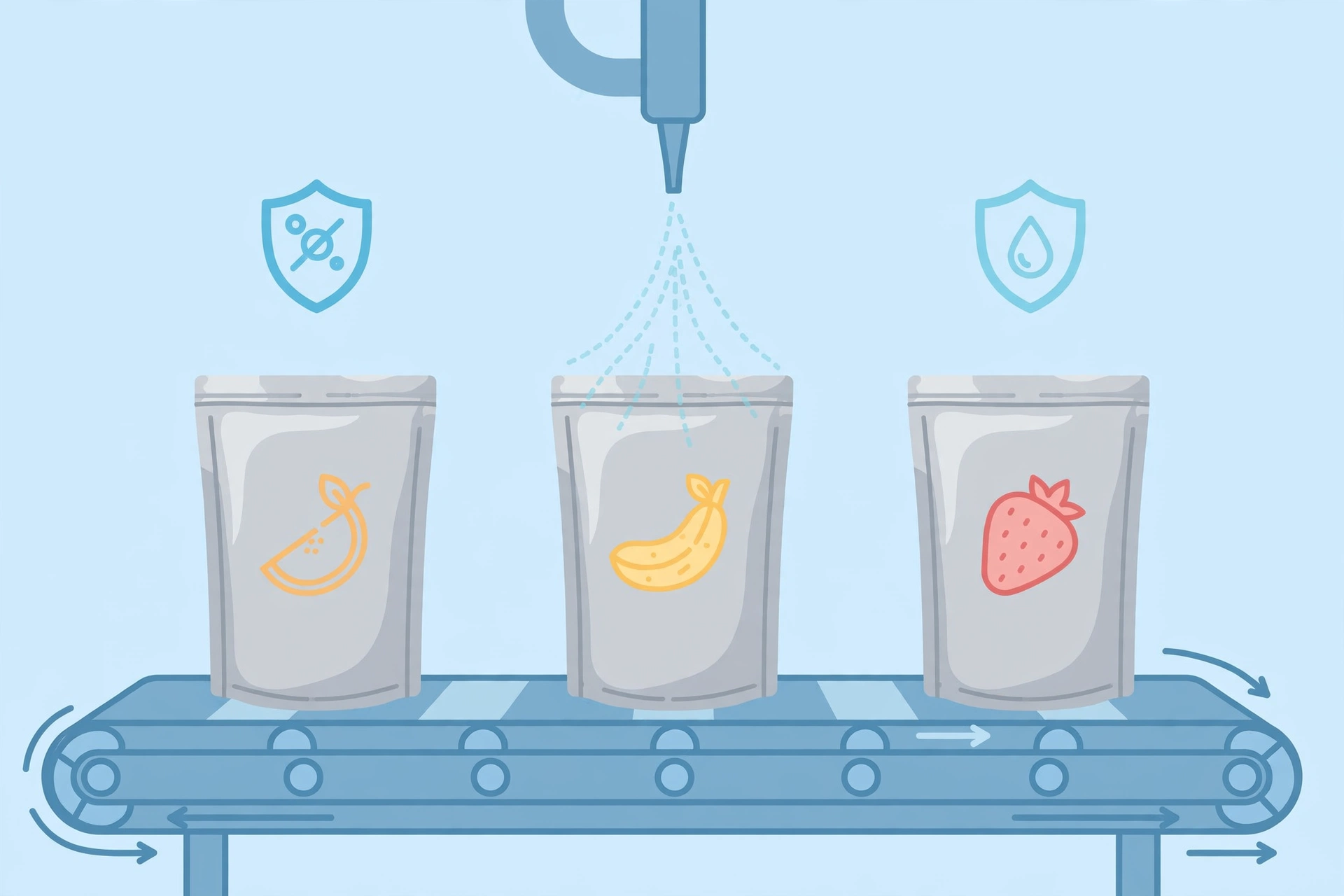
Packaging does not create shelf life — it preserves what the fryer delivered. Four choices do most of the work.
High-barrier film structures
Thin single-layer plastic film is a poor guardian: oxygen and moisture pass through it steadily. Serious snack packaging uses multi-layer laminates — typically metallized or foil layers bonded to sealable films — that block oxygen, moisture and light simultaneously. When comparing films, ask your packaging supplier for the oxygen transmission rate and water vapor transmission rate; lower is better, and the numbers must suit your target shelf life, not just your budget.
Nitrogen flushing
Before sealing, the pouch is flushed with food-grade nitrogen to displace the air inside. This removes most of the oxygen that would otherwise sit in the headspace for months, and the slight positive pressure also cushions fragile crisps against crushing in cartons. For retail or export distribution, nitrogen flushing is the industry norm; for very short local distribution it can sometimes be skipped — but the shelf-life claim must reflect that choice honestly.
Seal integrity
The best film in the world fails at a bad seal. Heat-seal jaws must be set to the film's specification — too cool and the seal channels; too hot and it burns through. Build seal checks into the packing routine: visual inspection of every seal band, plus periodic leak testing (a simple water-bath squeeze test on sample pouches catches most problems). One leaky pouch in a retail carton teaches the whole brand a lesson.
Small helpers: absorbers and desiccants
Oxygen absorber sachets and food-safe desiccants are inexpensive insurance inside high-value or export packs. They mop up the residual oxygen nitrogen flushing leaves behind and buffer against moisture during long sea freight. They do not replace barrier film — they back it up.
Storage, handling and distribution
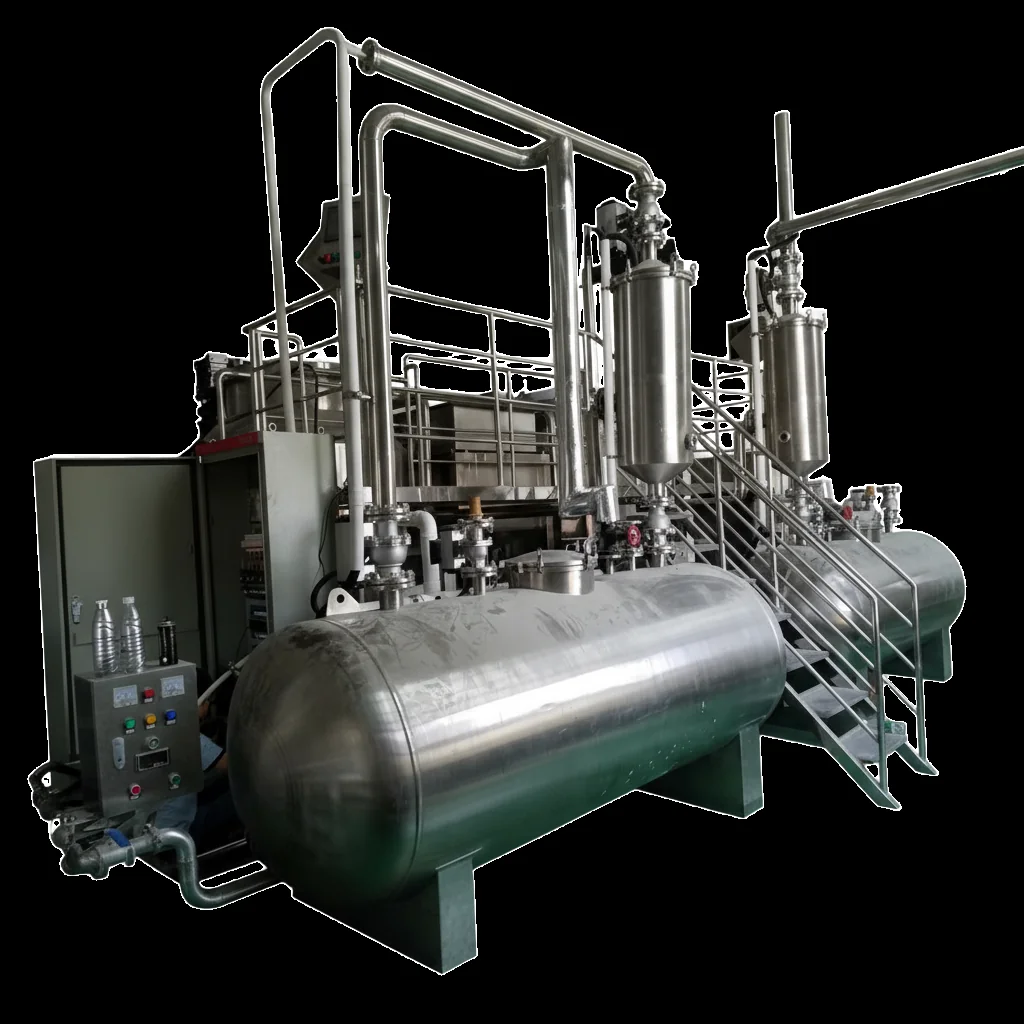
Between the fryer and the consumer, the product passes through the most uncontrolled part of its life: your warehouse, a truck, a distributor's shelf. Three disciplines protect it.
- Keep it cool and dry. Finished packs belong in a clean, dry warehouse away from direct sunlight and heat sources. Every sustained rise in temperature accelerates oxidation — "room temperature" in a tropical warehouse in July is not the same as in a specification written for 25 °C.
- Protect the cartons. Master cartons should not be crushed, punctured or stacked beyond their crush rating — a dented pouch can mean a cracked seal. Palletize sensibly and keep cartons off damp floors.
- First in, first out. Rotate stock strictly by production date, both in your warehouse and contractually with distributors. The date printed on the pouch only works if the oldest stock ships first.
- Mind the fryer-to-packer gap. Crisps sitting open in a humid packing hall reabsorb moisture before they ever reach a pouch. Shorten the open-air interval, and consider dehumidifying the packing room in humid climates.
Validate shelf life for your own product
Here is the honest part: no article — including this one — can hand you a shelf-life number for your product. Shelf life is specific to your recipe, your oil management, your film and your distribution chain. Claiming a figure you have not tested is how brands end up with rancid product on shelves and lost customers.
- Real-time studies store your packed product under normal conditions and test it at intervals (crispness, flavor, rancidity markers) until quality falls below your standard. Slow, but definitive.
- Accelerated studies store packs at elevated temperature to speed up aging, then extrapolate — faster, but the extrapolation needs a food scientist's judgment to be trustworthy.
- Test the worst case, not the best. Validate the longest distribution route, the warmest warehouse and the most fragile product variant. A shelf life proven under kind conditions proves nothing.
- Re-validate after changes. A new film supplier, a different seasoning, a longer sea route — each one can move the number. Treat shelf life as a living specification, not a one-time certificate.
The equipment side of the equation is the part we can stand behind: consistent low-temperature frying and reliable in-vessel de-oiling give every batch the same strong starting position, so your shelf-life testing measures packaging and logistics — not fryer variability. Our vacuum fryer selection guide covers matching batch size to your output.
Frequently asked questions
How long do vacuum fried snacks stay fresh?
There is no single number: shelf life depends on the product, the oil control, the packaging barrier and the storage conditions. Vacuum fried snacks with oil content below 18% and proper high-barrier packaging are commonly marketed with many months of shelf life, but you should validate the exact figure with your own real-time or accelerated shelf-life study on your product and your packaging.
Why do my vacuum fried chips go soft in the bag?
Softening is moisture pick-up after frying. The usual causes are chips that left the fryer with too much residual moisture, packaging film with a weak moisture barrier, or micro-leaks in the seal. Check the fry endpoint first, then upgrade to a high-barrier laminate and verify seal integrity on the packing line.
Why do my vacuum fried snacks turn rancid before the date on the bag?
Rancidity comes from oxygen exposure combined with oil that was already stressed during frying. Nitrogen flushing displaces the oxygen inside the pouch, but it cannot fix oil that was overheated or used too long. Keep frying temperatures low, manage oil turnover during production, and flush the pouch before sealing.
Is nitrogen flushing necessary for vacuum fried snacks?
For any product with a serious shelf-life target it is strongly recommended. Nitrogen replaces the oxygen inside the pouch before sealing, slowing oxidation and rancidity dramatically. It also cushions the crisps against crushing during transport. For short local distribution it can sometimes be skipped, but for retail or export it is the industry norm.
Can better packaging alone fix a short shelf life?
No. Packaging preserves the quality that leaves the fryer — it cannot create it. High oil content, incomplete dehydration and oxidized frying oil will shorten shelf life no matter how good the pouch is. Fix the process first: low frying temperature, effective vacuum de-oiling, and disciplined oil management.
Building a vacuum fried snack line?
Start with crisps built to last — low oil, low moisture, consistent batches. See the full range on our vacuum fryer page.
Specifications are for reference only and are subject to the final supplied equipment.