What a batch record actually is
A buyer opens a bag of your chips at a trade show, tastes one, and asks a simple question: "Which batch was this bag from?" If you can answer in a minute — date, product, raw-material lot, oil, operator — the conversation moves on to price and volume. If you can't, the conversation stops there. That is what a batch record is for: the link between a finished bag and everything that went into it.
A batch record is one page — or one row — per load of the fryer. One batch, one record. The batch starts when the raw slices go into the basket and ends when the finished chips are weighed. Everything in between gets written down while it happens, not from memory at the end of the shift. Memory is where records go wrong.
The number that ties it all together is the batch number. Pick a simple format and never change it: the date plus a running number — 2026-11-13-01 for the first batch of the day, 2026-11-13-02 for the second. Write it on the batch record, on the bags the batch fills, and on any sample you keep. If the number is not on the bag, the record cannot find the bag, and the bag cannot find the record.
What to write down for every batch
A good record answers four questions: what went in, what the fryer did, what came out, and who was there. If a line on the sheet does not answer one of those, it is decoration.
What went in
Write down the date, the product, and the raw-material lot — the supplier's lot number on the delivery, not just "bananas". Two deliveries of the same fruit can behave differently, and if one turns out to be the problem, the lot number tells you which bags it touched. Record the weight of raw slices that went into the basket. If the raw material was washed, peeled, sliced or blanched before frying, note that too, in a word or two.
What the fryer did
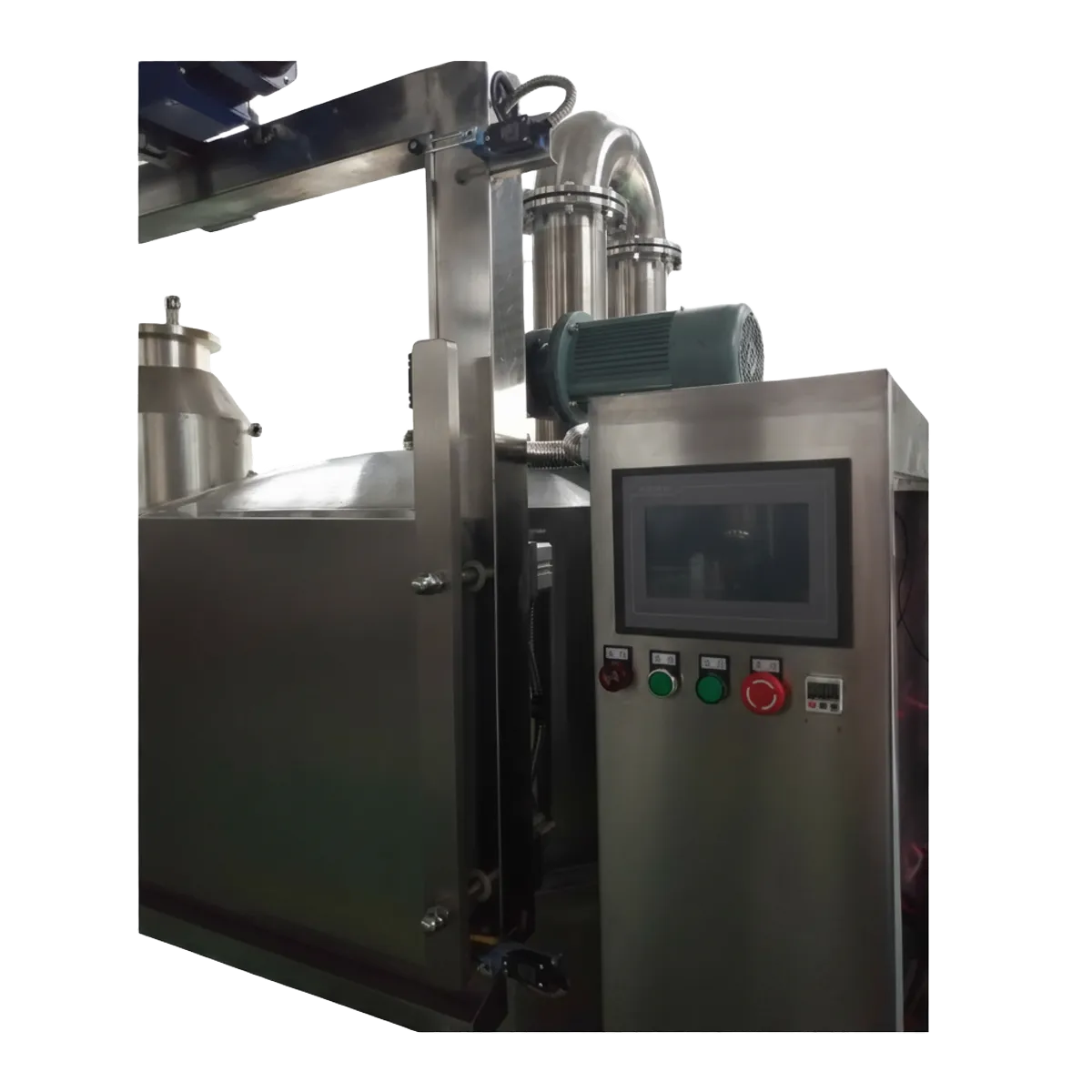
Record the temperature setting — vacuum frying runs at 80–100°C — and the oil: which oil, which lot, and how much was topped up. Oil is the part of the record most factories skip, and the part auditors ask about first. Note every filter change and every top-up, with the batch number it happened on. The fryer itself helps here: the Delta PLC and MCGS touchscreen hold the settings for each run, so the operator's job is to write down what the screen shows, not to remember it.
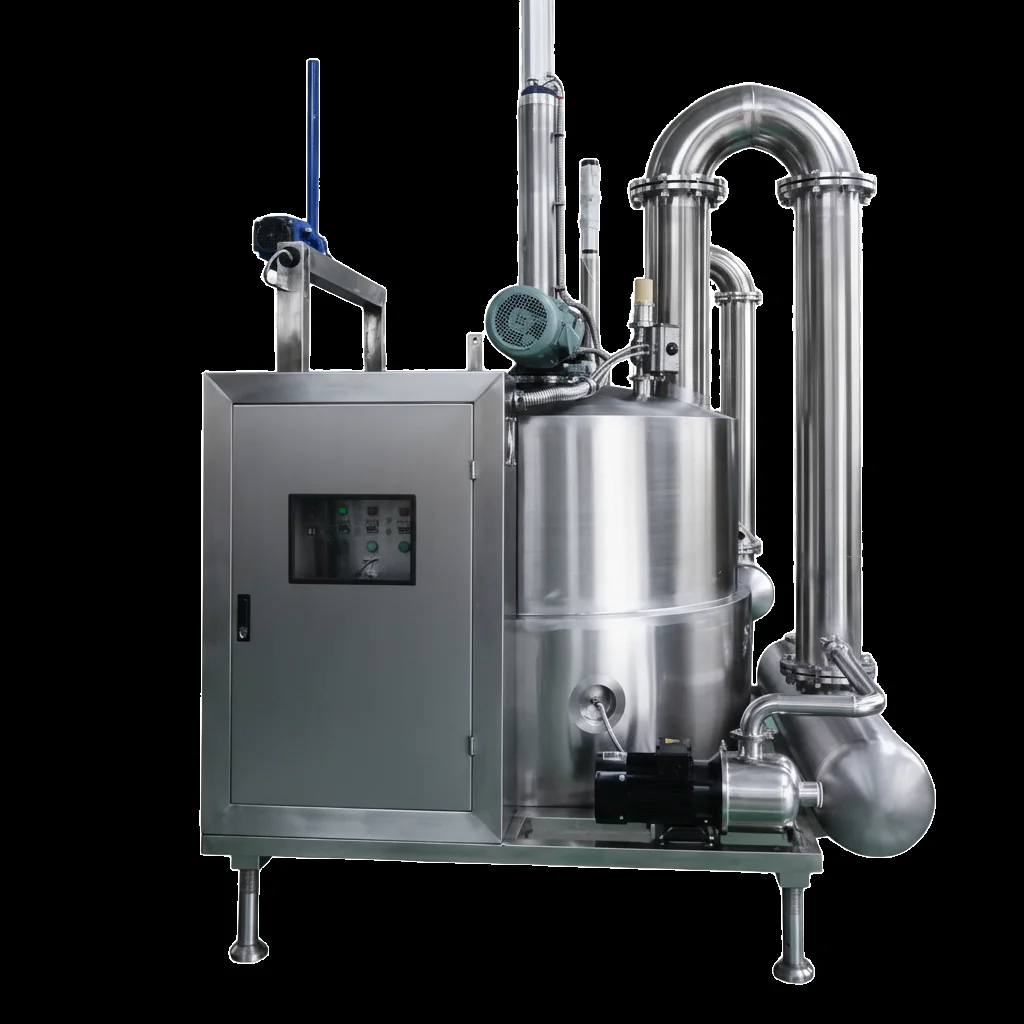
Note the de-oiling step too. The basket spins inside the chamber while it is still under vacuum, and that spin decides how much oil stays on the chips. A finished oil content under 18% is the mark of a batch that was de-oiled properly. Write down whether the spin ran as normal; if anything was different, say what.
What came out
Weigh the finished batch and write the number next to the raw weight. The gap between the two is mostly water that left during frying, and it is the cheapest quality check you own: heavier than usual probably means it kept more water; lighter than usual may mean over-fried. Keep the scale next to the fryer.
Add the operator's name and the packing details — which bags the batch went into, with the batch number on them. A record with no name on it is a record nobody owns. When the same person signs every batch, mistakes get rarer.
Paper, spreadsheet, or control-panel logs
Three ways to keep records, and the honest truth is that the best one is the one your operators will actually fill in.
Paper
A printed sheet on a clipboard next to the fryer. Cheap, fast, and it works when the power is out. The risk is handwriting nobody can read, and sheets that end up in a drawer. Keep the sheets in one folder, in date order, and photograph them at the end of the day.
Spreadsheet
One row per batch, one file per month, columns for every field in the section above. Easy to search, easy to share with a buyer. The risk is that it gets filled in at the end of the week from memory. Fill it in at the fryer, while the batch is running.
Control-panel logs
The fryer records its own settings — temperature, time, and the program that ran — on the Delta PLC and MCGS touchscreen. That is a solid starting point, but it is not a full batch record: the panel knows what the fryer did, not what went into it. Use the panel log as the backbone and add the raw-material lot, the weights and the operator by hand. Keep one system, not three.
When something goes wrong
Sooner or later a batch will go wrong. Chips come out soft, or dark, or a buyer reports a problem with a bag that is already on a shelf. This is the moment the records earn their keep.
Start from the bag: read the batch number off it and pull that batch's record. Check the batches either side: same raw-material lot? Same oil? Same operator? If only this batch is bad, the cause is probably something that changed for this batch alone — a different lot, a top-up, a filter change. If every batch that day is bad, look at what they share.
That is the whole method. Traceability is not a software system. It is a chain of numbers: bag to batch, batch to lot, lot to supplier. The chain only works if every link was written down at the time. One missing link — a lot number nobody recorded, a batch number that never made it onto the bag — and the chain breaks exactly where you need it most.
What buyers and auditors ask to see
A serious buyer will ask to see your records before they place a real order — a few recent ones, and one batch traced from raw material to finished bag. They are checking two things: that you actually keep records, and that the records match what they see on the floor.
Expect questions like these. Which raw-material lot went into this batch? What oil do you use, and when was it last changed? Who ran the fryer? Can you show me the batch that filled these bags? None of these are trick questions — a buyer asks them when deciding whether your factory is a safe bet, and a straight answer with a record to back it is worth more than any brochure.
Auditors ask the same questions, only more of them. They will pick a bag, or a date, and ask you to trace it backwards: from the bag to the batch, from the batch to the raw-material lot and the oil lot, and from the lot to the supplier's delivery note. Do it in minutes and the audit goes smoothly. Fail, and nothing else you say about quality will land. Keep the records somewhere one person can reach in a minute. A folder nobody can find is the same as no folder at all.
Start tomorrow: two fields
If you keep no records today, do not build the full sheet tomorrow. Start with two fields and add the rest once the habit sticks. Field one: the batch number, on the record and on the bags. Field two: the raw-material lot. Those two alone answer the question that matters most — which batch was this bag from, and what went into it. Add the oil lot and the in/out weights the week after, then the rest. A short record kept every day beats a perfect record kept never.
QS vacuum fryer models
| Model | Batch capacity | Vessel |
|---|---|---|
| QS-VF100 | 100KG/batch | — |
| QS-VF150 | 150KG/batch | — |
| QS-300 | 300KG/batch | 2600mm (H) x 1600mm (D) |
- Frying temperature: 80–100°C under vacuum.
- Finished oil content: under 18%.
- De-oiling: centrifugal, inside the chamber.
- Control: Delta PLC + MCGS touchscreen; 304 stainless steel.
- Warranty: 1-year warranty; lead time approx. 3 months.
Frequently asked questions
How long should I keep batch records?
There is no single answer that fits every buyer and every market, so check what your buyers ask for and keep records at least that long. The practical rule: keep them as long as the product could still be on a shelf or in a buyer's warehouse. When in doubt, ask the buyer what they expect and write it down.
Do I need special software to keep batch records?
No. A printed sheet or a spreadsheet does the job for a small factory — one row per batch, one file per month. Software helps when the number of batches grows and searching paper takes too long. The system matters less than the habit: records filled in at the fryer, while the batch runs.
What if the operator forgets to write something down?
Fill the gap the same day, while someone still remembers what happened, and mark it as added later. A record completed late beats a blank line, but one reconstructed a week later is guesswork. Keep the sheet next to the fryer so forgetting is the exception, not the routine.
Does the fryer's control panel keep the batch record for me?
Only half of it. The Delta PLC and MCGS touchscreen record the settings and the program that ran, but they do not know the raw-material lot, the oil lot, or the weights. Use the panel log as the backbone and add the rest by hand.
What should I do when a buyer asks to trace one bag?
Read the batch number off the bag, pull that batch's record, and walk the buyer through it: date, product, raw-material lot, oil lot, temperature, operator. If the record is complete, that is the whole answer. If a link is missing, say so plainly and show what you do have — buyers trust an honest gap more than a polished guess.
Talk to us about your vacuum frying line
Tell us your product and target output — we will help you size the fryer. Explore the range on our vacuum fryer page.
Specifications are for reference only and are subject to the final supplied equipment.