What "cost per batch" actually means
Before comparing machines, agree on what you are counting. Cost per batch is everything the fryer consumes or wears out to turn one load of prepared raw material into finished snacks, divided by the saleable output — not the raw material that went in.
Two buyers can quote the same fryer and land on different numbers because they count different things: one counts only oil and electricity, the other adds labour, filter media, seals, and lost product. This guide uses the wider scope — every cost the batch creates. Compare like with like only: same product, load size, 80–100°C window, and definition of a finished batch.
The six cost buckets in every batch
Every batch draws on six buckets.
- Oil — oil absorbed, top-up, oil discarded.
- Energy — electricity for heating and the vacuum pump.
- Labour — loading, monitoring, unloading, de-oiling, cleaning, records.
- Wear parts — seals, filter media, gaskets that age with use.
- Yield loss — raw material lost as moisture, breakage, rejects.
- Fixed overhead — heat-up and vacuum pull-down, unchanged by load size.
No bucket can be judged alone: cheap oil that degrades fast can cost more than dearer oil that lasts.
Oil: buying, topping up, filtering, and turnover
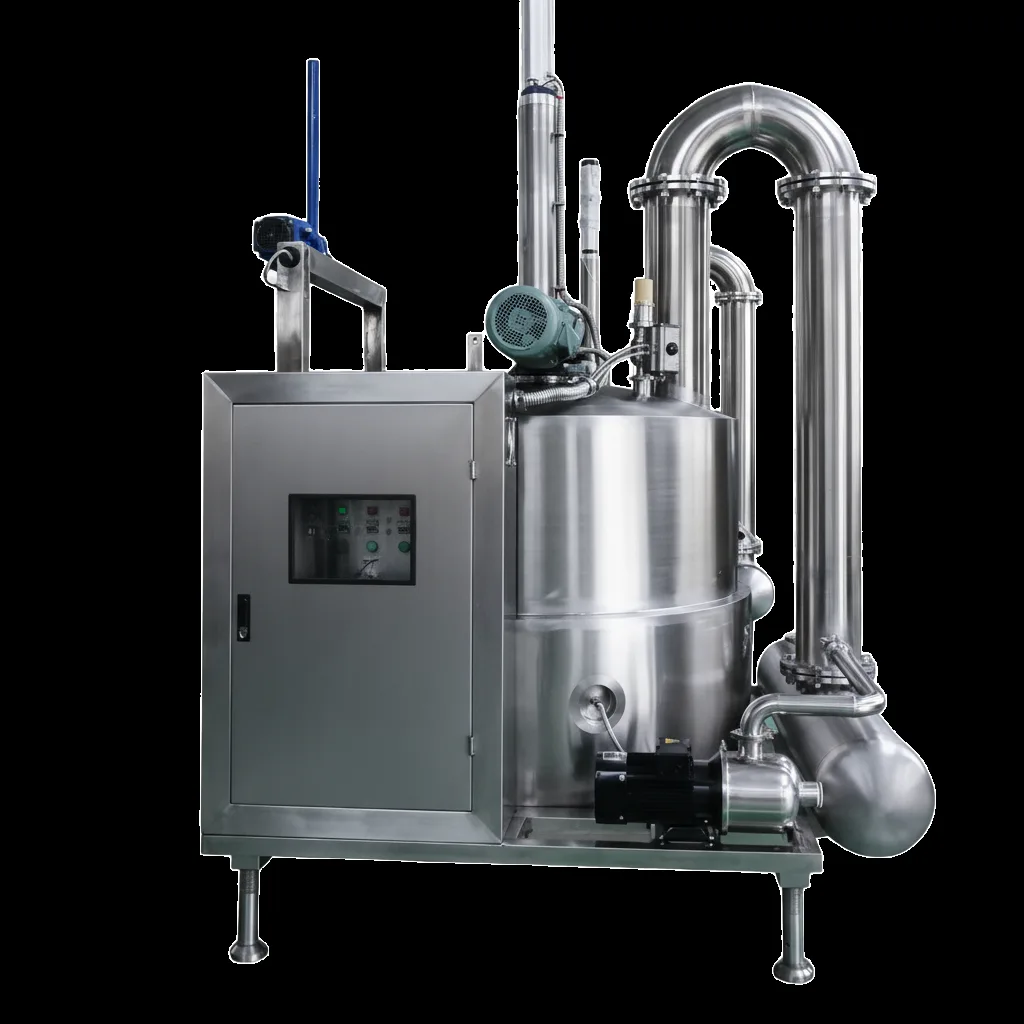
Oil is the largest running cost in most vacuum frying operations. Each batch takes oil away: the finished snack keeps a share — a well-run process holds finished oil content below 18% — and a little more leaves with draining and cleaning. The top-up is a recurring purchase, not a one-off fill.
Top-up is the cost that never stops
Think of the oil in two parts: the working volume that stays in the fryer, and the top-up that replaces what each batch removes. The working volume is bought once; the top-up is bought forever. A product that absorbs more oil, or a line running many small batches, needs more top-up per kilogram. Check whether a supplier's quote includes the top-up.
Filtration and turnover decide how long oil lives
Oil does not stay good on its own. Crumbs build up, and heat, air, and time degrade it. Regular filtration removes particles, and a planned turnover routine — adding fresh oil in a steady pattern — keeps the oil stable. Vacuum frying at 80–100°C is gentler on oil than open frying, but filtration still takes operator time and filter media. Judge replacement by oil condition — colour, smell, and foaming — not by a calendar date.
Energy: heating and vacuum
Energy is the second steady cost line. Heating brings the oil to 80–100°C and holds it there; the vacuum pump holds low pressure through frying and de-oiling. Both draw power for the length of the batch, so a longer batch costs more energy than a shorter one.
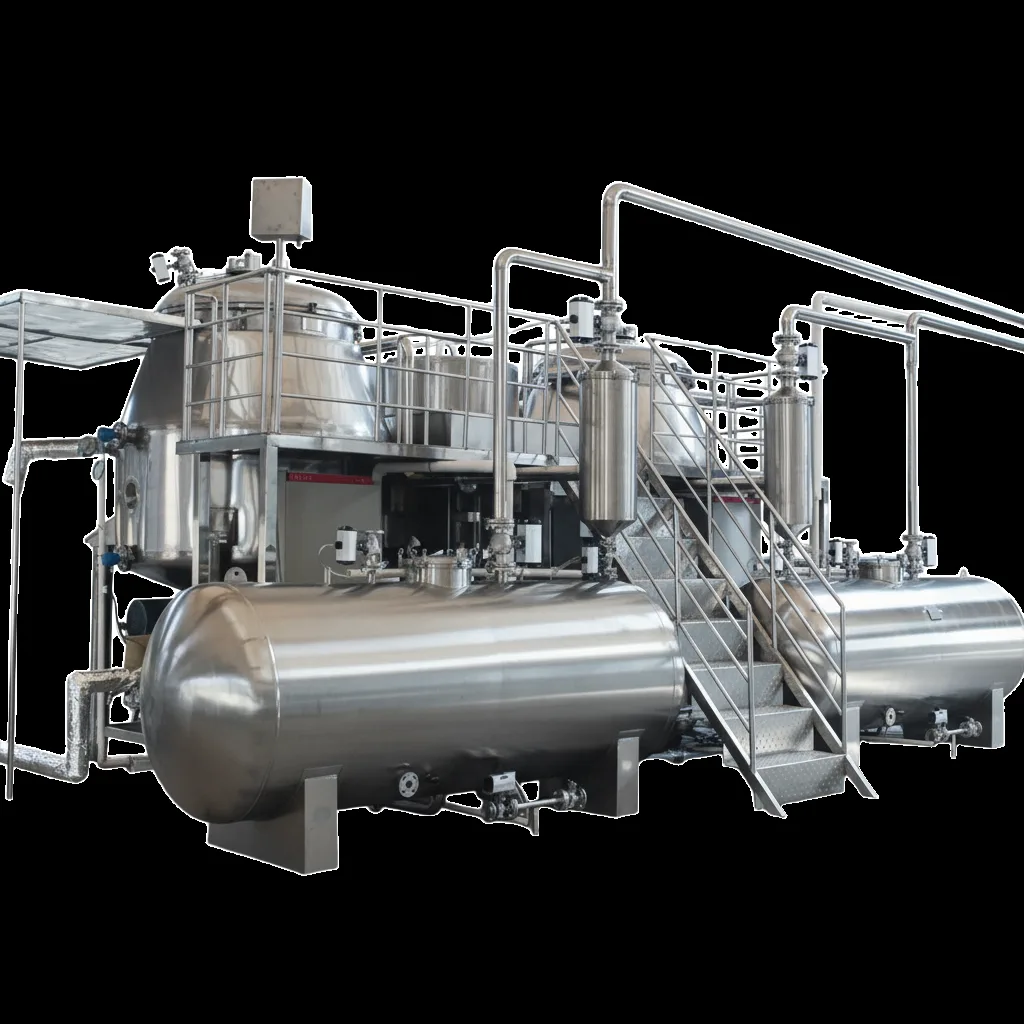
Two things drive the energy line: the loading dip, when a cold batch enters hot oil and the heater works to recover the temperature, and idle time between batches, when oil kept hot serves nothing. On QS fryers, a Delta PLC with an MCGS touchscreen shows oil temperature, vacuum level, and heating status, so the operator can see whether the batch is on set point or drifting. Ask your supplier how energy use is measured at your batch size, and how much of it is fixed per batch.
Labour and wear parts
Labour is the line buyers most often forget, because it never appears on a machine quotation. Every batch needs hands: preparing and loading, watching the cycle, unloading, de-oiling, sorting, and cleaning. Operator time follows the batch rhythm, and a short batch with long handling can cost more labour per kilogram than a long batch with the same handling.
Wear parts are labour's quiet companion. Seals, gaskets, and filter media age with heat, pressure cycles, and use, each with a service life in batches or operating hours. None is expensive alone, but together they form a steady per-batch charge — and a part that fails mid-batch costs the batch. Ask which parts wear, how they are accessed, how long each lasts, and which spares to stock.
Yield: from raw material to finished snack
Yield is the multiplier that decides what every other cost is worth. Raw material loses weight in vacuum frying — water leaves as vapour, and a share of pieces break or fail sorting. The finished, saleable weight carries the whole batch cost, so a small change in yield moves the cost per kilogram more than a small change in oil or energy.
Three things drive yield: the raw material — its moisture and how evenly it is cut; handling — every transfer breaks a few pieces; and the process — stable temperature at 80–100°C and a controlled de-oiling step. Never compare cost figures that assume different yields: ask for the yield assumption in writing, test it with your own product, and redo the maths on the yield you actually achieve.
How batch size changes the maths
Batch size changes cost per kilogram because some costs are fixed per batch and some scale with the load. Heating the oil, pulling the vacuum, loading, unloading, and cleaning take roughly the same effort whether the basket is half full or full — so a full batch spreads those fixed costs across more finished product, and the cost per kilogram falls.
The saving is only real when the batch is actually full and fries evenly. An under-filled large fryer pays the full fixed cost for a small output and can end up dearer per kilogram than a small fryer running full. A large load can also fry less evenly, and any yield loss eats the saving directly. Compare sizes on your real batch plan, not on nameplate capacity alone.
QS vacuum fryer batch sizes at a glance
| Model | Batch size | What changes with size |
|---|---|---|
| QS-VF100 | 100KG/batch | Smallest fixed cost per batch; suits trials |
| QS-VF150 | 150KG/batch | Fixed costs spread over more product |
| QS-300 | 300KG/batch | Lowest fixed cost per kilogram when run full; oil vessel 2600mm (H) × 1600mm (D) |
The right size matches your daily output with full, even batches. A fryer that runs full twice a day beats a bigger fryer that runs half-full once a day.
How to ask a supplier for a cost breakdown
A supplier's operating-cost figure is only as good as the basis behind it. Ask for the breakdown item by item, and ask what is left out.
- What is the oil top-up per batch for my product, including filtration and turnover oil?
- What filtration and turnover routine do you recommend, and what filter media does it use?
- What energy does one batch use at my batch size, and how much is fixed?
- How many labour steps does one batch need, from loading to cleaning?
- Which parts wear, how long does each last, and which spares should I stock?
- What yield do you assume for my product, and how was it tested?
- What is excluded — and what changes if my batch is smaller than full?
- Confirm the specification in writing, including the 1-year warranty and the approximate 3-month lead time.
Keep the answers with the quotation. If a figure changes later, redo the maths from the same breakdown.
A qualitative cost ledger you can copy
Use this ledger as a template for your own batch costing. Fill in each line with your own figures — oil price, energy tariff, labour steps, yield — and the cost per batch will be yours, not a brochure number.
Cost ledger: one batch of vacuum frying
| Cost line | What to record | Notes |
|---|---|---|
| Oil top-up | Oil added per batch | Absorbed oil, handling losses |
| Oil replacement share | Share of a full oil change | Set by filtration, turnover |
| Filter media | Media used per filtration | Keeps oil stable |
| Energy — heating | Heat and hold oil at 80–100°C | Includes loading recovery |
| Energy — vacuum | Pump energy per batch | Frying and de-oiling |
| Labour | Operator time per batch | Loading to cleaning |
| Wear parts share | Share of scheduled replacements | Seals, gaskets |
| Yield loss | Raw material not reaching the bag | Moisture, breakage, rejects |
| Fixed overhead | Heat-up, vacuum pull-down, cleaning | Same at any load |
Divide the total by the saleable finished weight for a cost per kilogram you can defend — and improve, line by line.
Frequently asked questions
What is the biggest cost in one vacuum frying batch?
In most vacuum frying operations, oil is the largest running cost — the oil the product absorbs plus the oil topped up, filtered, and eventually replaced. Energy, labour, and wear parts add smaller, steadier lines. The exact split depends on your product, oil type, and batch size, so ask your supplier for an itemised cost basis for your product before comparing machines.
How often should frying oil be replaced in a vacuum fryer?
There is no fixed number of batches. Oil life depends on the product, frying temperature, filtration routine, and storage between batches. Vacuum frying at 80–100°C is gentler on oil than open frying, and regular filtration plus a defined turnover routine extend oil life. Judge replacement by oil condition — colour, smell, and foaming — and by your supplier's guidance, not by a calendar date.
Does a bigger batch size lower the cost per kilogram?
It usually does, but not automatically. A larger batch spreads fixed costs — heating, vacuum, loading, unloading, and cleaning — across more finished product, so the cost per kilogram falls. The gain disappears if the batch is under-filled, the product fries unevenly, or yield drops. Compare the QS-VF100 at 100KG/batch, the QS-VF150 at 150KG/batch, and the QS-300 at 300KG/batch on your real batch plan, not on nameplate capacity alone.
What should I ask a supplier about operating cost before ordering?
Ask for the cost basis item by item: oil top-up per batch, filtration and turnover routine, energy use at your batch size, labour steps per batch, wear parts and their service life, and expected yield for your product. Also ask what is excluded, and confirm the machine specification in writing, including the 1-year warranty and the approximate 3-month lead time.
Plan your vacuum frying line
Tell us your snacks and target output — we will help you size the fryer. Explore the range on our vacuum fryer page.
Specifications are for reference only and are subject to the final supplied equipment.