What oil turnover actually means
Every vacuum fryer operates with a fixed oil charge — the oil that fills the frying vessel and its circulation circuit. That charge is never static: oil is absorbed into the product, carried out on its surface, and lost with the fines the filtration system pulls out. Oil turnover rate is the name for this refresh process: the fraction of the total oil charge replaced by fresh oil over a given period — a shift, a day, or a week.
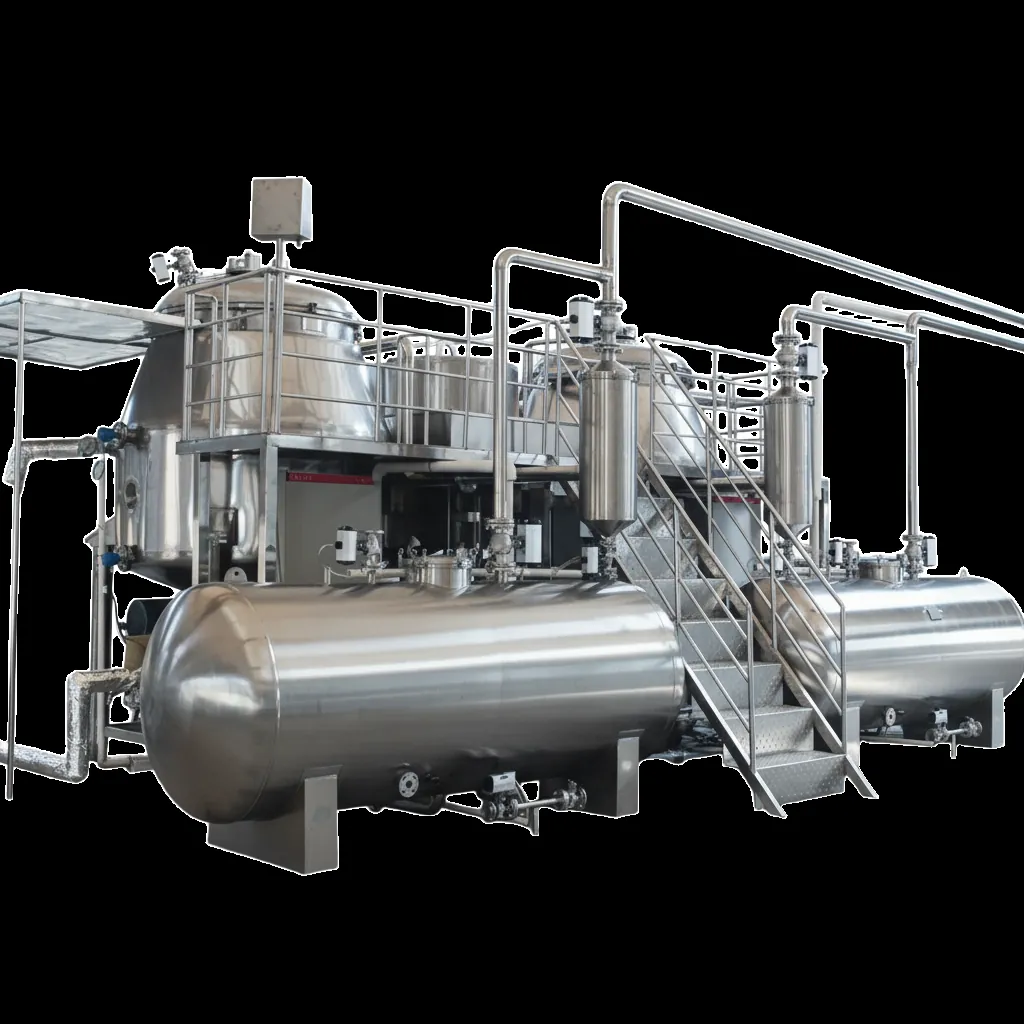
Turnover converts oil age into a manageable number. High turnover keeps the charge young on average, because fresh oil constantly dilutes the degradation products that frying creates. Low turnover means the same oil sits for days, and the charge's chemistry slides toward the point where it starts affecting the product.
Turnover is not consumption. The oil that leaves does so with saleable product or removed solids — a normal cost of frying, not a waste stream. The goal is not zero turnover; it is the right turnover: enough fresh oil to hold product quality steady.
Why turnover decides product quality
Oil is the heating medium, and its condition shapes the finished snack: color, flavor, crispness and shelf life. As oil ages, heat and product moisture gradually break it down into degradation products, while fine crumbs burn and darken the charge. The symptoms arrive in order: the oil darkens, product color deepens batch to batch, off-flavors appear, and finally shelf life shortens because the product leaves the line already carrying degraded oil.
Low turnover accelerates this in two ways. Accumulated fines turn bitter and stain the product, and flavors carry over between batches — a strongly flavored product fried in old oil leaves its imprint on whatever follows. Run lighter-flavored products before strongly flavored ones, and keep turnover healthy so each batch starts from a cleaner baseline.
Vacuum frying starts from a better position than atmospheric frying: it runs at 80–100 °C instead of around 170 °C, so oil breaks down far more slowly. That is why disciplined oil management — steady top-ups, filtration, centrifugal de-oiling — can extend oil life by up to +200% on a vacuum line. But slower degradation is not no degradation; turnover is the lever that protects that advantage.
Why frequent top-ups beat rare full changes
There are two philosophies of oil replacement: run the charge until quality visibly fails, then dump the whole vessel — or top up a little fresh oil after every batch and rarely need a dramatic reset. The chemistry strongly favors the second approach.
Oil quality is a question of average age. Frequent small additions keep the average age of the charge young and continuously dilute degradation products. A rare full change does the opposite: the oil ages for days, quality slides the whole time, and then the entire charge is discarded at once — including oil that, with steady top-ups, would still have had useful life left.
The absorption link: products refresh oil at different rates
Not every product refreshes oil at the same rate. Products with open, porous structures absorb more oil per batch: each kilogram that leaves the vessel carries more oil out, so more fresh oil must go back in, and turnover runs naturally higher.
Dense, smooth-surfaced products do the opposite: they take little oil per batch, so the charge turns over slowly and ages longer. This is the case that catches operators out — the level barely drops, so nobody adds fresh oil, and degradation accumulates unnoticed. For low-absorption products, the top-up policy should not depend on level drops alone; deliberately scheduled fresh-oil additions keep turnover healthy even when the vessel never looks low.
Centrifugal de-oiling adds a nuance. The fryer spins each batch after frying to strip surface oil — keeping oil content below 18% — and much of that oil returns to the circuit. With clean de-oiling, oil freshness is kept on purpose, not by accident.
How filtration and de-oiling stretch turnover value
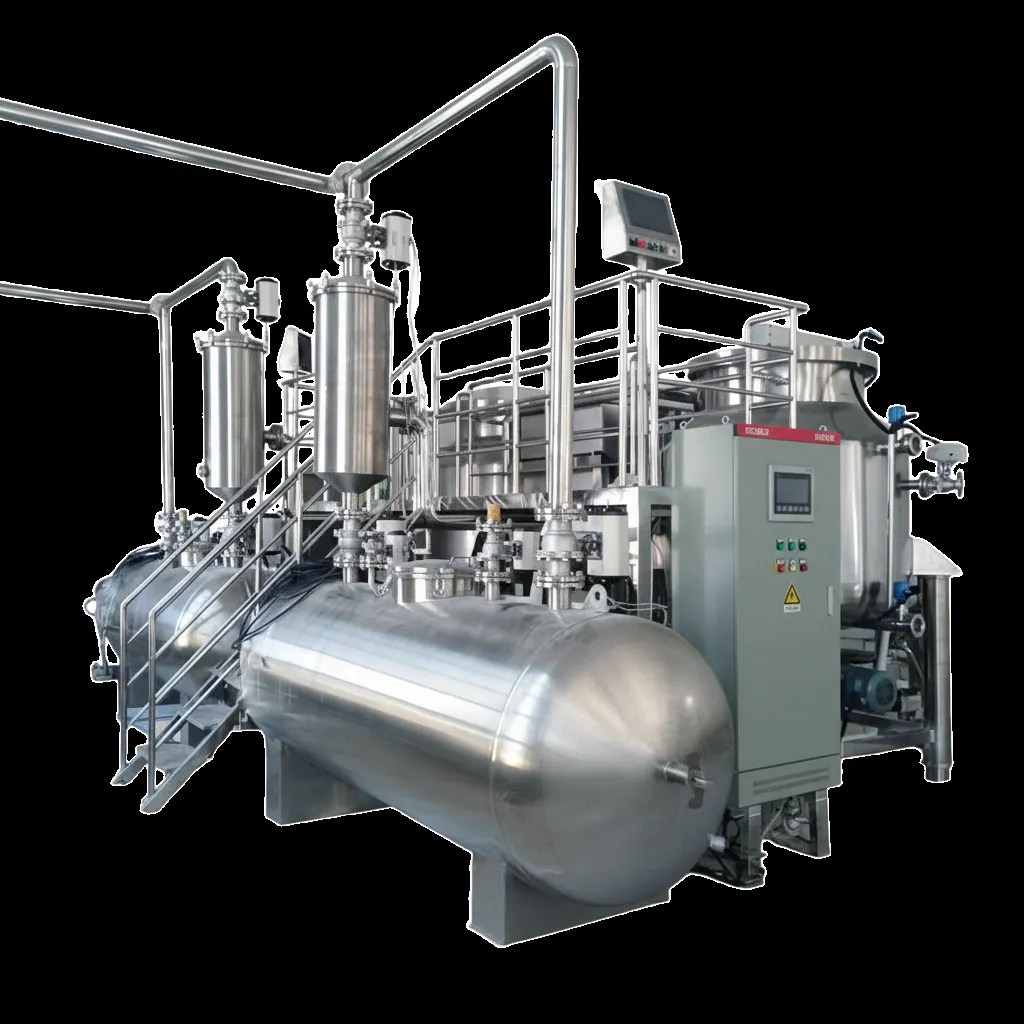
Top-ups refresh the oil; filtration protects what is already in the vessel. In-line filtration between batches pulls out the fine crumbs and particles that would otherwise char on the next cycle, darken the charge and seed off-flavors. Clean oil degrades more slowly, so every liter of fresh top-up goes further — turnover and filtration multiply each other's effect.
Together with centrifugal de-oiling, this is the full oil-management triangle: filtration removes solids, de-oiling recovers surface oil, and steady top-ups keep the average oil age young. Lines that run all three consistently are the ones that realize the headline benefit — oil life extended by up to +200% compared with unmanaged operation.
For filtration setup and daily routines in full, see our oil management guide — the natural companion to this article.
A practical batch-by-batch management routine
A workable routine is deliberately boring — the same small actions, every batch:
- Top up after every batch. Restore the working level with fresh oil and record the added volume. The top-up is the engine of turnover; the log turns it into a metric.
- Filter between batches. Run the in-line filtration circuit after each cycle so fines never get a second chance to char.
- De-oil every batch. Let the centrifugal de-oiling sequence — managed by the fryer's Delta PLC and MCGS touchscreen — run its full program so surface oil is recovered and oil content stays below 18%.
- Sequence flavors sensibly. Fry lighter-flavored products before strongly flavored ones to limit flavor carryover.
- Review weekly. Compare total fresh oil added against the charge volume to get the week's turnover rate. If turnover runs low — typical with low-absorption products — schedule deliberate fresh-oil additions rather than waiting for the level to drop.
- Decide full changes on evidence. When top-ups and filtration can no longer hold color, flavor and crispness within specification, replace the charge. With steady turnover, that decision becomes a rare, planned event rather than an emergency shutdown.
When a full oil change is finally needed
Even a well-managed charge eventually reaches the point where dilution can no longer keep up with degradation. The signs are sensory: the oil darkens and stays dark after filtration, foaming appears during frying, the product picks up off-flavors, and crispness or shelf life starts to drift. When these symptoms persist despite fresh top-ups and clean filtration, the charge has earned its retirement.
Treat the full change as a planned maintenance event, not a rescue. Drain hot, clean the vessel and circuit before refilling, and restart the top-up log from zero so the new charge's age is tracked from day one. With steady turnover, full changes become infrequent — the routine above is what keeps them that way.
How batch size interacts with oil charge sizing
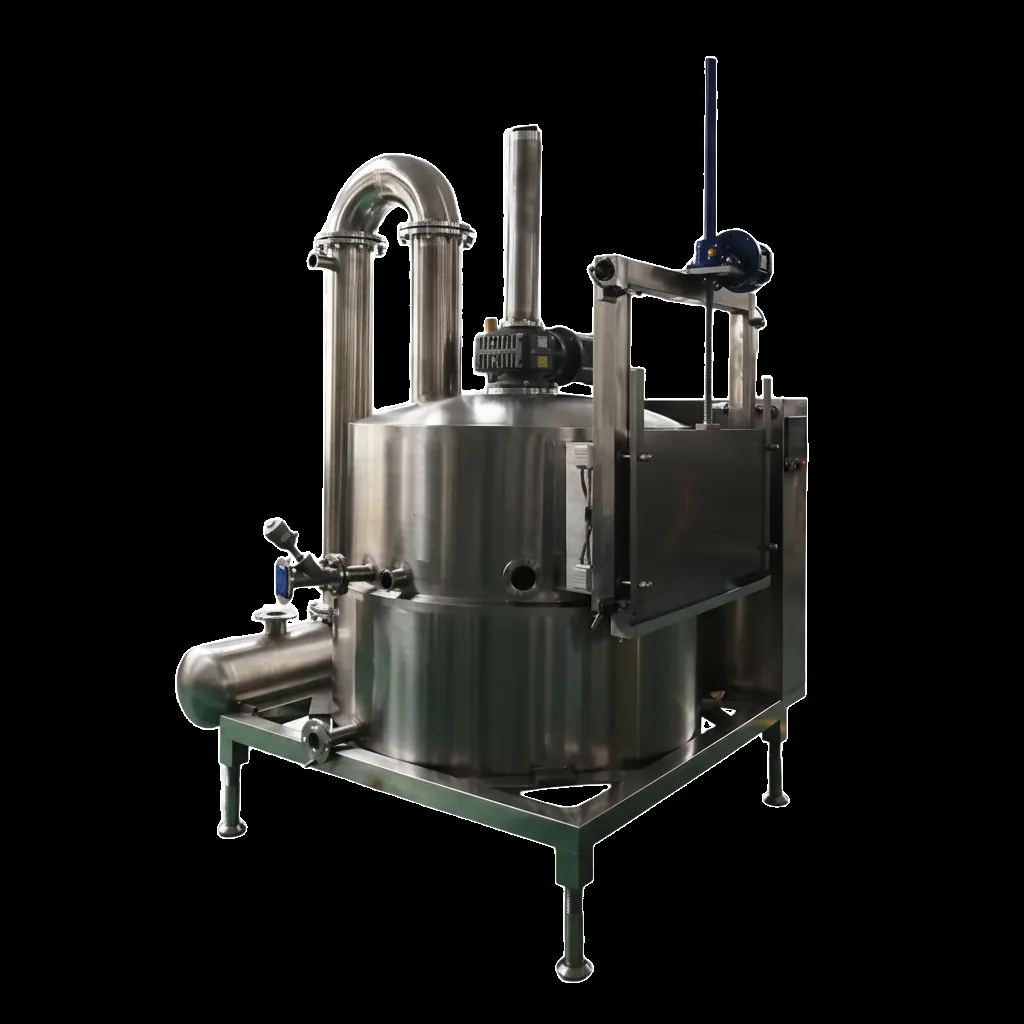
Batch size and oil charge volume are a ratio, and that ratio sets the natural turnover of a line. The QS vacuum fryer range spans 100 kg per batch on the QS-VF100, 150 kg per batch on the QS-VF150 and 300 kg per batch on the QS-300. The more product that passes through a given oil charge per cycle, the faster turnover refreshes it.
A high-throughput line largely manages oil freshness by producing: large batches carry out oil continuously, and steady top-ups follow naturally. A pilot or low-volume line running a large oil charge turns over slowly and needs a deliberately scheduled top-up policy for the same freshness. When sizing a vacuum fryer, the oil charge should match your expected weekly throughput — not so large that fresh oil is a rare event. Fryers of this class ship on roughly a 3-month lead time and carry a 1-year warranty, so settle the sizing question early.
Frequently asked questions
What is oil turnover rate in vacuum frying?
Oil turnover rate is the fraction of a vacuum fryer's total oil charge that has been replaced by fresh oil over a given period — a shift, a day or a week. Oil leaves the system continuously, absorbed into the product, carried out on its surface or removed with filtered particles, and operators restore the level by topping up with fresh oil. Tracking added volume against charge volume turns this natural refresh process into a manageable metric.
Why are frequent top-ups better than occasional full oil changes?
Oil quality is a question of average age. Frequent small top-ups keep the average age of the oil charge young and continuously dilute degradation products, so the charge never gets old enough to hurt product quality. A rare full change does the opposite: the oil ages for days or weeks, quality slides the whole time, and then the entire charge is discarded at once — including oil that, with steady top-ups, would still have had useful life left.
Which products refresh the oil the fastest?
High-absorption products with open, porous structures — such as sliced vegetables and fruit chips — refresh oil the fastest. Each kilogram that leaves the vessel carries more oil out, so more fresh oil must be added back, and turnover runs naturally higher. Dense, smooth-surfaced products take little oil per batch, so the charge turns over slowly and needs deliberately scheduled fresh-oil additions to stay healthy.
How does filtration relate to oil turnover?
Top-ups refresh the oil; filtration protects what is already in the vessel. In-line filtration between batches removes the fine crumbs and particles that would otherwise char on the next cycle, darken the charge and seed off-flavors. Clean oil degrades more slowly, so every liter of fresh top-up goes further — turnover and filtration multiply each other's effect.
When does a vacuum fryer need a full oil change?
When top-ups and filtration can no longer hold product quality within specification. The signs are sensory: the oil darkens and stays dark after filtration, foaming appears during frying, the product picks up off-flavors or rancid notes, or crispness and shelf life start to drift. With a steady top-up routine, that point becomes a rare, planned maintenance event rather than an emergency shutdown.
Want longer oil life on your vacuum frying line?
Tell us your product and batch size — we'll help set up an oil management routine that keeps turnover healthy. See the range on our vacuum fryer page.
Specifications are for reference only and are subject to the final supplied equipment.