What counts as a wear item — and what does not
A wear item wears a little with every batch and is replaced on a schedule, not repaired. A durable part should last the life of the machine and is replaced only when it fails. Wear items get stocked in advance; durable parts get ordered when needed.
On a vacuum fryer, the wear items meet heat, oil, vacuum and motion every day: seals squeezed with every door cycle, filters trapping residues from every batch, heating elements cycling in hot oil, and pump oil and filters working against the moisture each batch releases. The exact list for your machine is in the equipment manual.
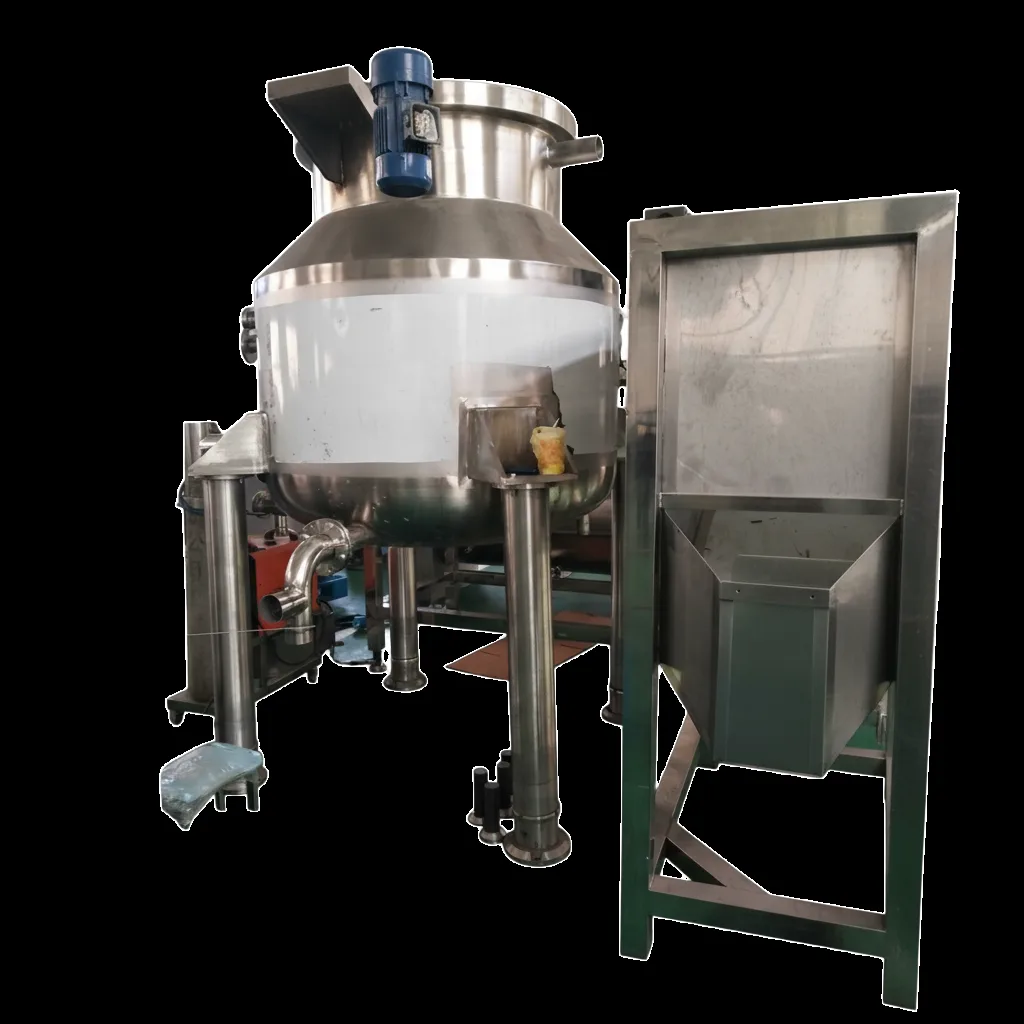
Seals and gaskets
Seals and gaskets are the most frequently replaced parts. The door seal holds the vacuum that makes low-temperature frying possible — the fryer works at 80–100°C because the vacuum lowers the boiling point.
- Door seal: the main vessel seal — keep a spare set and check for cracks, hardening, flattening or cuts.
- Lid and hatch gaskets: smaller seals on hatches and lids, inspected with the door seal.
- Shaft seals: seals around rotating shafts, including the centrifuge drive; oil weeping around a shaft means replacement is due.
- Food-grade silicone seals: keep the same grade and size as the original; do not substitute without checking with your supplier.
Oil filtration parts
Oil is the working fluid of the fryer, and filtration keeps it usable: every batch leaves crumbs and fine particles in the oil, which the filter system removes before the next batch. When filtration parts wear, the oil degrades faster.
Typical filtration wear items are the filter element or medium, filter screens, and the housing's gaskets and seals. Keep enough filter elements in stock for your running schedule, and change them per the manual rather than waiting for the oil to show it. Watch for oil that darkens faster than usual, crumbs in the oil, slower filtering, or a housing that leaks at its seal.
Heating elements
Heating elements bring the oil to frying temperature and hold it there through every batch, cycling in hot oil and ageing gradually. The first sign of trouble is usually a change in behaviour: the oil takes longer to reach temperature, or one zone heats more slowly than the others.
Because a failed heating element stops production, keep a spare in stock if your supplier lists it as replaceable, and confirm which element fits your model before ordering. Temperature sensors and thermocouples also age: if the displayed temperature drifts between batches, check the sensor and wiring first, and replace it per the manual.
Vacuum pump consumables
The vacuum pump removes air and moisture from the vessel so food can fry at 80–100°C, not open-frying temperatures. Pump consumables — oil, filters and seals — are used up fast, because every batch releases moisture the pump must handle.
- Pump oil: the correct grade for your pump, as stated in the manual — keep enough for a full oil change plus a top-up, and never mix grades without confirming with your supplier.
- Oil filter and inlet filter: they protect the pump from particles and oil mist; change them per the manual.
- Pump seals: a pump that struggles to reach its normal vacuum level, or runs louder than usual, may need a seal or a service check.
Valves, hoses and fittings
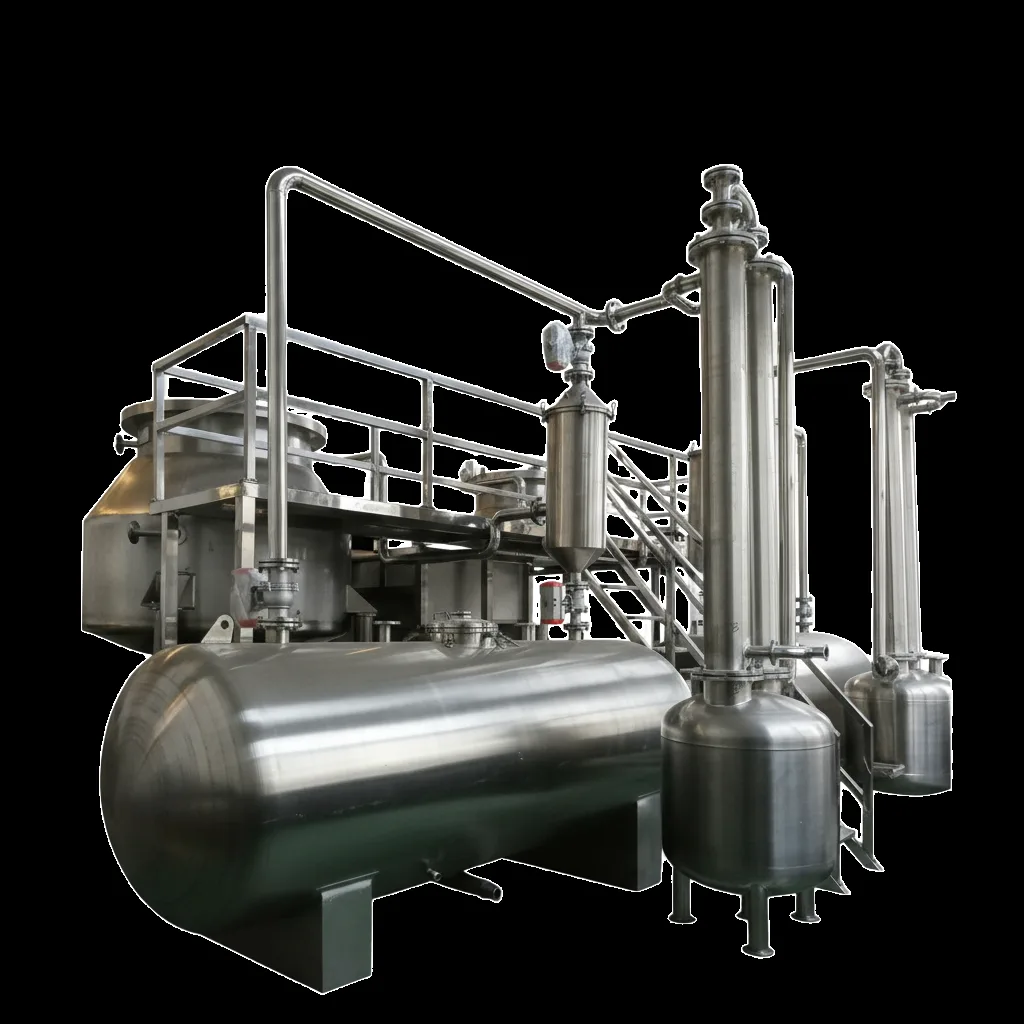
Valves, hoses and fittings move oil, water and air around the machine, and they fail quietly: a slow leak, a stiff valve, a hose hardened with heat. Together they are a common cause of unplanned stops, because a leak anywhere in the oil circuit stops a batch.
Keep a small stock of the items your model uses most: common valves, spare hoses in the fitted lengths, and the fittings, clamps and gaskets that go with them. Check hoses for hardening, cracking or swelling, and valves for smooth operation and weeping at the stem. Replace a suspect hose during a planned stop — one that bursts during a batch costs far more. When ordering, confirm the size and thread of each fitting — fittings that look the same may differ in thread or pressure rating.
De-oiling centrifuge parts
After frying, the de-oiling centrifuge spins the product inside the vessel to throw off surface oil — the step that helps vacuum fried snacks finish with an oil content below 18%. Its wear items take the load of every spin: the drive belt, bearings, basket seals and the seals around the drive shaft.
The warning signs are easy to notice: new vibration, a new noise during the spin, or oil where it should not be — any of these means the centrifuge needs inspection before the next run. A worn bearing or belt left in service can damage the basket or the drive. Keep the centrifuge parts your manual lists as wear items in stock, and keep the basket clean per the manual — residue left in it unbalances the spin and wears the drive faster.
Control parts: Delta PLC and MCGS touchscreen
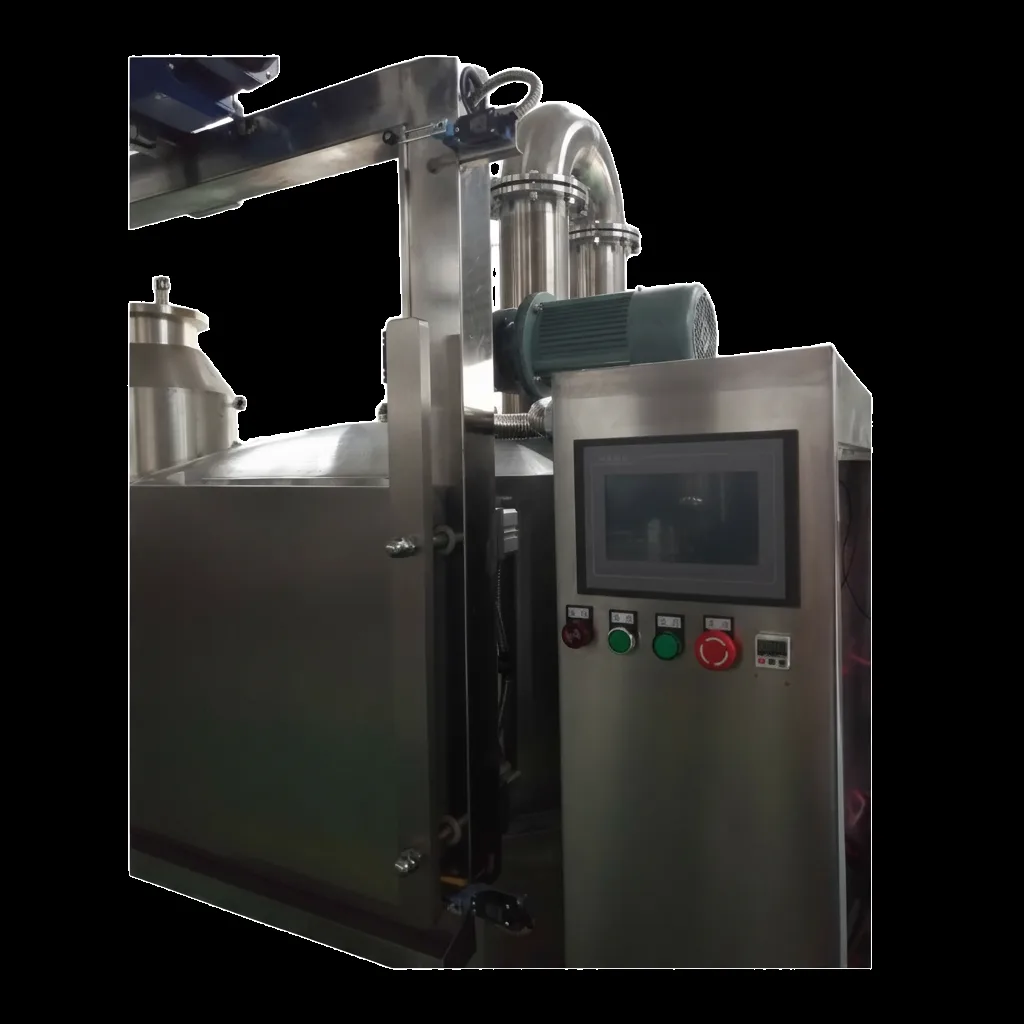
A Delta PLC with an MCGS touchscreen controls QS vacuum fryers, running the frying cycle, the vacuum, the heating and the centrifuge. The control system itself is durable, but the small items around it are wear items: fuses, relays, and the touchscreen's protective parts.
Keep a set of the fuses and relays listed in the manual, and a spare of any operator-facing part your supplier lists. Record your process settings — frying temperature, time and vacuum settings — outside the machine, so a control reset never loses them. If the touchscreen stops responding, check the manual's troubleshooting steps first and contact your supplier before opening the control cabinet.
How to build a spares list
A spares list is a short document, kept with the machine, saying what you stock, how many, and where it is kept. Start from the recommended spares list in the equipment manual — written for your exact model — and adjust it with your supplier's advice.
QS vacuum fryer batch sizes
| Model | Batch size |
|---|---|
| QS-VF100 | 100KG/batch |
| QS-VF150 | 150KG/batch |
| QS-300 | 300KG/batch |
The QS-300 vessel measures 2600mm high by 1600mm in diameter; spares are model-specific — order against your exact model.
Sort it by what happens when the part fails:
- Group A — production stops: door seals, heating elements, pump oil and filters, fuses. Keep one spare of each; reorder the moment one is used.
- Group B — quality or efficiency drops: filter elements, centrifuge belts and seals, temperature sensors. Keep stock for your running period; replace on schedule.
- Group C — useful to have: spare hoses, fittings, clamps and gaskets. Keep a small stock so a minor leak does not wait for a delivery.
For each item record the part description, the model it fits, the quantity on hand, and the supplier contact. Review the list after the first months of running — the parts you actually used tell you more.
Ordering and lead-time planning
The most expensive spare part is the one you do not have when the machine stops. Order wear items before you need them: when a Group A part is used, order its replacement the same day.
Confirm the spares lead time separately from the equipment lead time. A QS vacuum fryer carries a 1-year warranty and has an approximate 3-month lead time — the equipment delivery lead time, not the spares lead time. Ask for the spares lead time in writing and keep enough stock to cover it. When ordering, give your supplier the exact model — QS-VF100, QS-VF150 or QS-300 — and the machine's serial number, so there is no doubt which version of a part it takes.
Spare parts checklist
Use this list when you set up your spares shelf and at each review:
- Manual's recommended spares list on file, confirmed for your model?
- Full set of door seals and gaskets in stock, stored flat in a cool, dry place?
- Oil filter elements and housing seals in stock for your running schedule?
- Vacuum pump oil of the correct grade in stock, with pump filters?
- Spare heating element held, if listed as a replaceable item?
- Centrifuge wear parts — belts, bearings and seals — in stock per the manual?
- Fuses and relays for the Delta PLC and MCGS touchscreen in stock?
- Small stock of spare hoses, valves, fittings and clamps?
- Process settings recorded outside the machine, so a control reset loses nothing?
- Spares lead time confirmed in writing, with stock to cover it?
Frequently asked questions
Which vacuum fryer parts wear out first?
Seals and gaskets usually wear first: they are compressed and released every time the vessel door opens and closes, in contact with hot oil. Oil filtration parts and vacuum pump consumables follow, since they handle oil and moisture on every batch.
What spare parts should I keep in stock for a vacuum fryer?
Keep at least one full set of door seals and gaskets, oil filter elements, vacuum pump oil and pump filters, and the fuses and relays listed in your manual. Add heating element spares, common valves, hoses and fittings, and centrifuge seals if your supplier lists them as wear items.
How do I know when a wear part needs replacing?
Follow the inspection points in your manual. Common warning signs are a door seal that no longer holds vacuum, oil that darkens faster than usual, longer heating times, unusual vibration from the centrifuge, or a vacuum pump that struggles to reach its normal level. Replace a part that shows wear during a planned stop.
Are vacuum fryer spare parts the same across QS-VF100, QS-VF150 and QS-300?
No. The three models fry different batch sizes — QS-VF100 at 100KG per batch, QS-VF150 at 150KG per batch, QS-300 at 300KG per batch — and the QS-300 vessel measures 2600mm high by 1600mm in diameter, so seals, filters and other parts differ by model. Always order against your exact model and serial number.
Plan your vacuum fryer spares
Tell us your fryer model and running schedule — we will help you build the right spares list. See the range on our vacuum fryer page.
Specifications are for reference only and are subject to the final supplied equipment.