What a 1-year warranty usually means
A warranty is a written promise, not a feeling of reassurance. QS vacuum fryers carry a 1-year warranty, and the details of that promise live in the written warranty terms that come with your quotation or order — not in a sales conversation. Before you pay anything, ask for those terms in writing and read them in full.
Look for four things in the terms: what is covered, and which parts of the machine that means; what is excluded — wear items and damage from misuse are commonly outside warranty cover, but only the written terms can tell you what applies to your machine; what the supplier needs from you to handle a claim, such as the model and serial number, the delivery date and a clear description of the fault; and what you must do to keep the warranty valid, such as following the manual.
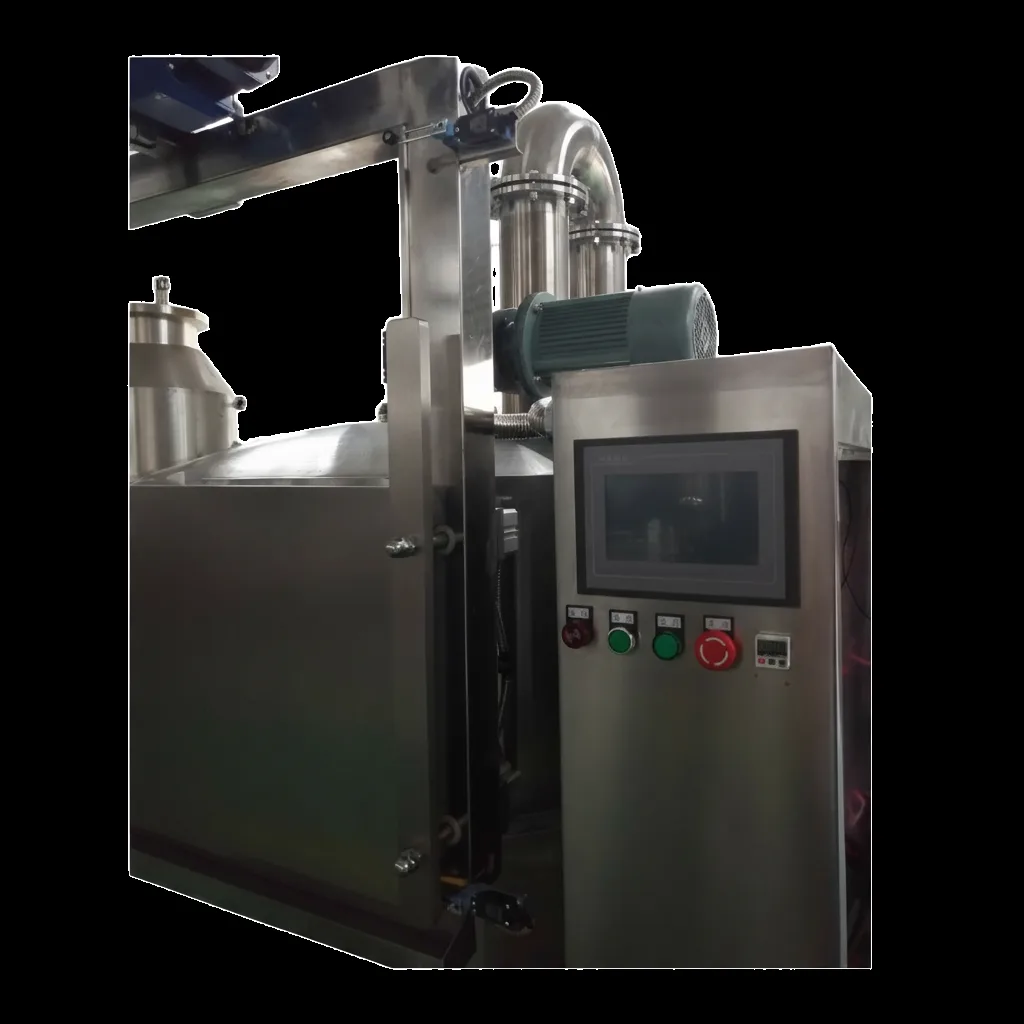
Keep the written terms with the machine manual, with your order and delivery records beside them. If a fault appears, the supplier will first ask for the model, the serial number and the delivery date — having those answers ready saves time. Remember that a warranty covers faults; it does not replace routine maintenance, cleaning and oil care, which remain the owner's job.
What to ask before you order
The best time to learn about after-sales support is before you order. Ask the same questions of each supplier and keep the answers in writing — when two quotations look similar, those written answers often separate a supplier who will support you from one who will not.
- Ask for the written warranty terms, and confirm when the warranty period starts — for example, whether it runs from delivery or from installation.
- Ask which spare parts and wear items are available for your exact model, and how to order them.
- Ask what documentation comes with the machine: the operator manual, electrical drawings, a spare parts list, and any other documents the supplier provides.
- Ask what installation support and operator training are included, and whether they are part of the order or arranged separately.
- Ask how to contact the supplier for service questions, and what information they need from you when you report a fault.
- Ask about the approximate lead time: for a new QS vacuum fryer it is about 3 months, so plan your order around your production schedule.
Do not accept a verbal summary in place of written terms. If a supplier describes a service in conversation, ask them to confirm it in writing as part of the quotation or order — what is written down can be checked later; what was only said cannot.
Spare parts and wear items: plan before you need them
Some parts of a vacuum fryer wear with use. The door seal is the clearest example: it is opened and closed every batch, and a seal that no longer seats will not hold vacuum. Every part that moves, seals or carries oil will need replacing sooner or later.
Before you order, confirm three things: that spare parts for your exact model are available — parts differ between the QS-VF100, QS-VF150 and QS-300, so always order against the model and serial number; how to order, and what information the supplier needs; and what to keep on hand, so a worn part never stops a production day.
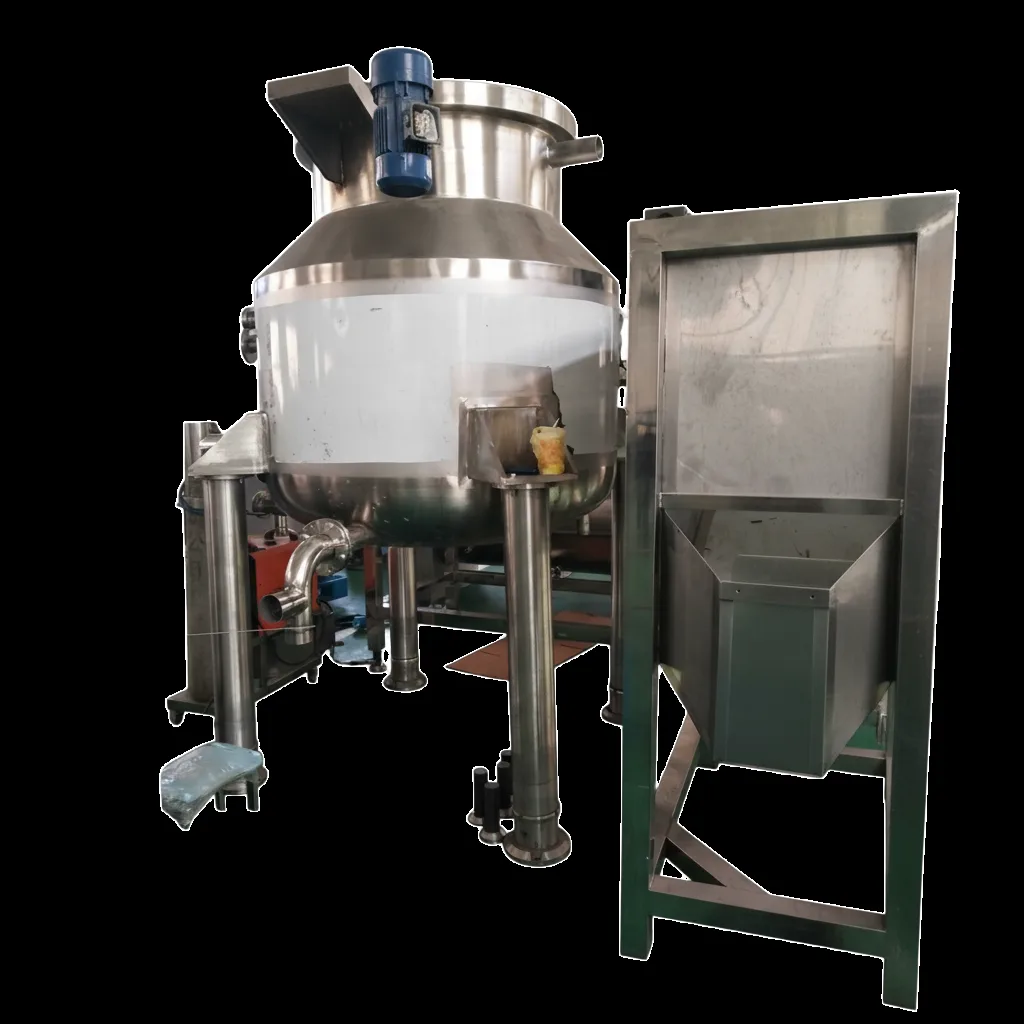
Plan spares when you plan the order, not when the machine stops. Ask the supplier for a recommended spares list for your model and keep it with the manual, next to the written warranty terms.
Service and support: questions that reveal how a supplier works
Ask how service questions are handled: who you contact, what information they ask for, and what happens after you report a fault. Ask whether the supplier can diagnose a problem from what you send — the alarm message on the Delta PLC and MCGS touchscreen, the model and serial number, and a description of the symptom.
Ask what you are expected to do yourself and what is supplier work. Operator-level work — cleaning, checking seals and valves, following the manual — is yours; work inside the control cabinet or the vacuum pump is supplier work, so never open the panel yourself. A supplier who explains this boundary clearly before the sale will explain it clearly when you need help.
Finally, ask what happens if guidance alone cannot fix the machine. You are not looking for a promise — you are looking for a clear written process you can follow when production is stopped.
Documentation, installation and training
A machine without documents is a machine you cannot maintain. Ask what arrives with your vacuum fryer: the operator manual, the electrical drawings, a spare parts list, and any other documents the supplier provides. Check that the manual covers daily operation, cleaning, routine maintenance and the fault checks you are allowed to do yourself.
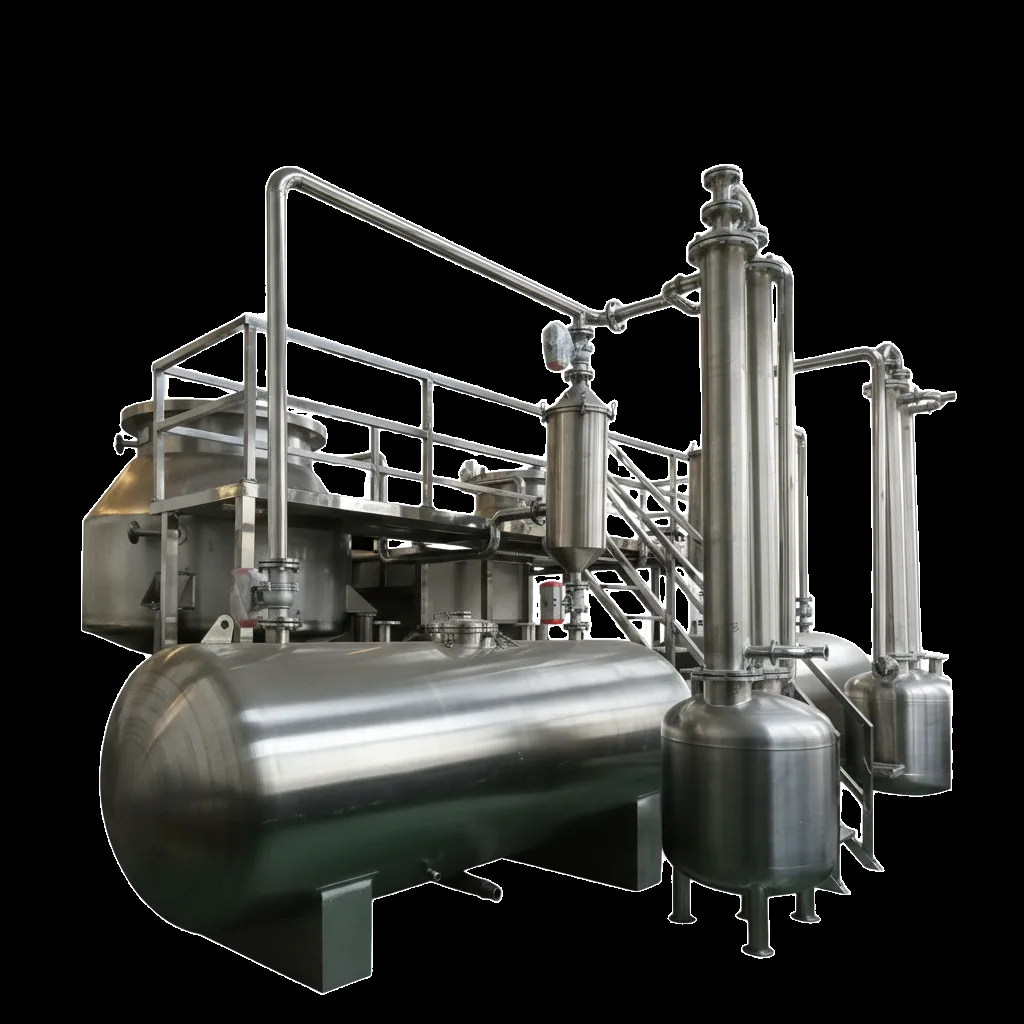
Ask what installation support is included and what you must prepare on your side — space, power, drainage and ventilation are the usual site questions — and confirm who installs the machine and who checks it before first production.
Ask about operator training: what it covers, who it is for, and whether it is included in the order. It should cover safe operation, the control panel, cleaning between batches and the routine checks in the manual. Keep a record of who was trained and when.
How to compare suppliers on after-sales, not just on the machine
Comparing suppliers on price alone is the most expensive mistake a buyer can make. Two machines with similar prices can come with very different after-sales support, and the difference only shows when the machine stops. Compare the written answers to the same questions, side by side.
- Warranty terms given in writing, with coverage and exclusions stated clearly.
- Spare parts available for your exact model, with a clear way to order them.
- Documentation included with the machine, including the manual and a spare parts list.
- Installation support and operator training included in the order.
- A named service contact and a clear process for reporting a fault.
- An approximate lead time that fits your production schedule — about 3 months for a new QS vacuum fryer.
Score each supplier on the answers, not on the sales conversation. A supplier that answers in writing and explains the service process clearly is giving you evidence; one that answers vaguely is giving you evidence too — just not the kind you want.
Finally, match the machine to your product and batch size: the QS-VF100 runs 100KG per batch, the QS-VF150 runs 150KG per batch, and the QS-300 runs 300KG per batch. A machine that is too small will run more cycles than it should; one that is too large ties up oil and space. Choose the size first, then compare suppliers on support.
A pre-order checklist you can use
Use this checklist before you sign an order: every item should have a written answer from the supplier. If an answer is missing, ask for it before you pay.
- Written warranty terms received and read.
- Spare parts and wear items confirmed for your exact model.
- Documentation list confirmed: manual, drawings, spare parts list.
- Installation support and operator training confirmed.
- Service contact and fault-reporting process confirmed.
- Approximate lead time of 3 months planned into your schedule.
- Model and batch size matched to your product: 100, 150 or 300KG per batch.
QS vacuum fryer models
| Model | Batch size |
|---|---|
| QS-VF100 | 100KG/batch |
| QS-VF150 | 150KG/batch |
| QS-300 | 300KG/batch |
- 1-year warranty; approximate lead time 3 months
- Low-temperature vacuum frying at 80–100°C
- Oil content below 18% with in-chamber centrifugal de-oiling
- Delta PLC + MCGS touchscreen control
- 304 stainless steel construction
- QS-300 vessel: 2600mm high × 1600mm diameter
Frequently asked questions
What does the 1-year warranty on a QS vacuum fryer cover?
QS vacuum fryers carry a 1-year warranty. The exact coverage is set out in the written warranty terms supplied with your quotation or order, so ask for those terms in writing before you order and confirm what is covered, what is excluded, and what the supplier needs from you to make a claim. Do not rely on a verbal summary.
What spare parts should I ask about before ordering a vacuum fryer?
Ask which wear items your model uses — door seals are one example — and confirm that they are available to order, how to order them, and what information the supplier needs, such as the model and serial number. Keep a small stock of the items that wear fastest so a worn part never stops production.
What should I do if my vacuum fryer stops working during the warranty period?
Stop the machine safely, note the model and serial number, the symptom and when it started, and any alarm message on the control panel. Then contact your supplier with those notes and the checks you have already made. Do not open the control cabinet or the vacuum pump yourself — work inside the panel or the pump is supplier work.
How do I compare vacuum fryer suppliers on after-sales support?
Ask every supplier the same questions: written warranty terms, spare parts availability, what documentation and training are included, and how service questions are handled. Compare the written answers side by side. A supplier that answers clearly in writing before the order is the one most likely to support you clearly after it.
Planning a vacuum frying line?
Tell us your product and batch size, and ask us for the written warranty terms, the spares list and the documentation for your model. See the range on our vacuum fryer page.
Specifications are for reference only and are subject to the final supplied equipment.