Why seasonality matters for vacuum frying
Fruit is a seasonal raw material, and vacuum frying cannot change that. A vacuum fryer turns fresh fruit into a crisp snack at 80–100°C, with finished snacks known for an oil content below 18% — but the fruit that goes in decides much of the result. Ripeness and texture shift through the season, and underripe fruit will not taste or look like fruit at its peak.
At peak season, fruit is at its best ripeness, supply is widest, and growers are keen to move volume. Outside the season, the same fruit may be scarce or uneven in ripeness. A good plan mixes one or two year-round anchors, such as banana, with seasonal fruits that rotate.
The seasonal calendar for vacuum fried fruit
The windows below are broad regional guidance, not fixed dates — harvest timing shifts with variety, altitude, and climate. Always confirm exact harvest windows with your supplier in your region.
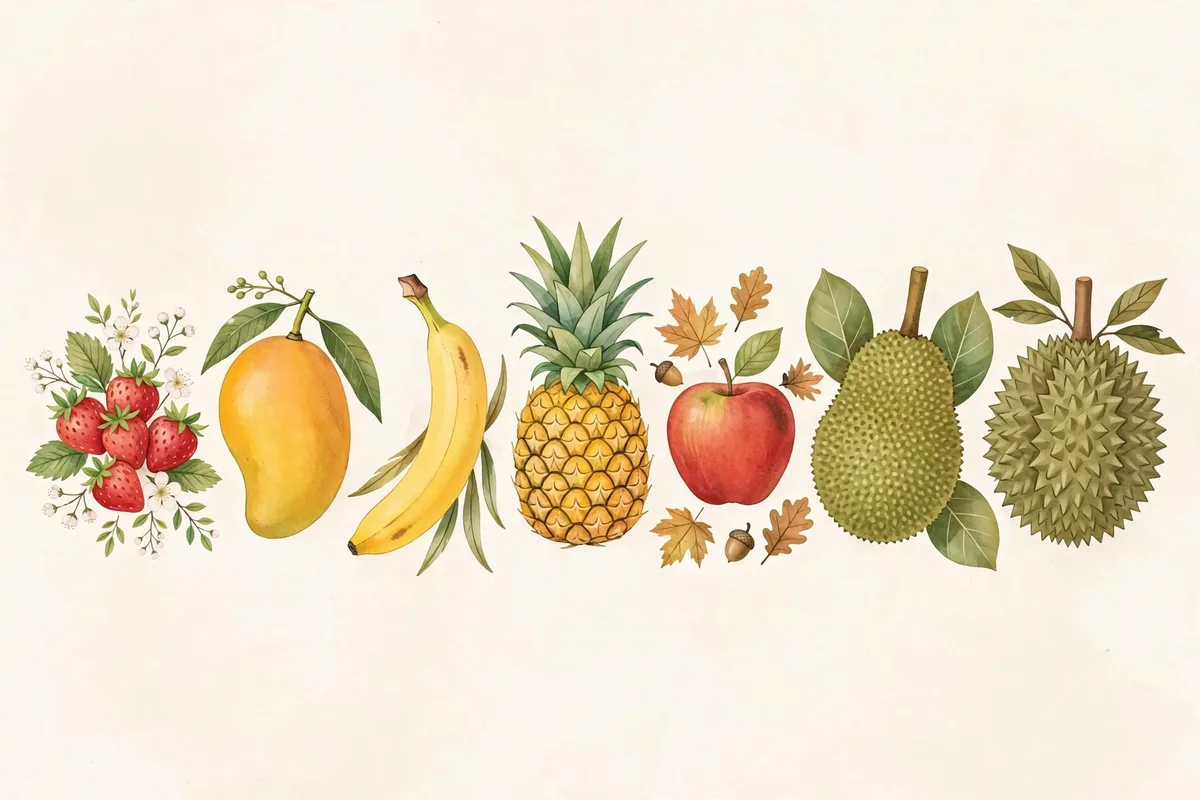
Spring: strawberry and early-season fruit
Spring is the season for delicate fruit. Strawberry is the best-known spring fruit for vacuum frying in many regions, valued for its colour and flavour — but it is also one of the most delicate to fry, so thin slices and gentle handling matter most. Strawberry is usually not blanched: delicate fruits such as strawberry and mango are fried without it.
Summer: mango, pineapple, jackfruit, and durian
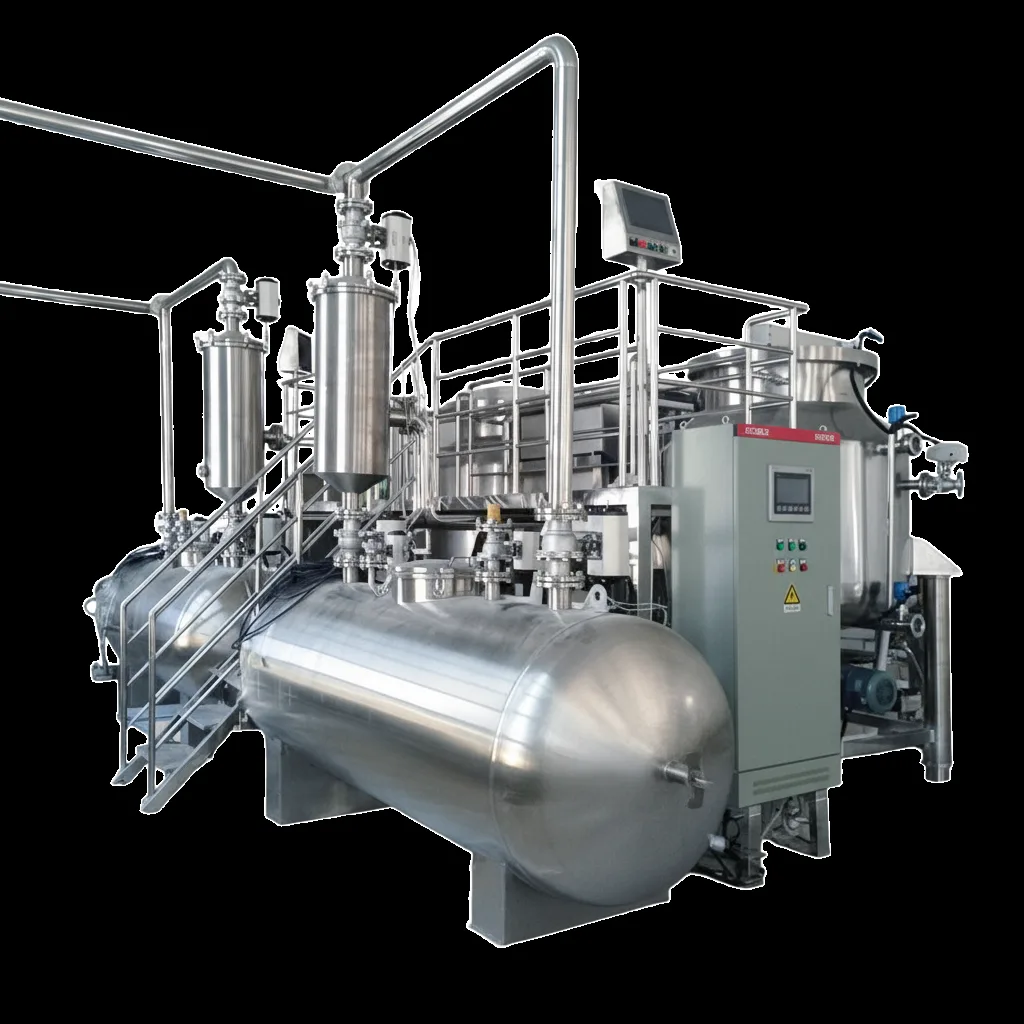
Summer is the busiest season. Mango is the classic summer fruit — firm, sweet, and widely grown across Southeast Asia — and pineapple, jackfruit, and durian also peak in summer in their main growing regions. Because several fruits peak at once, decide in advance which is your priority and in what order to fry them. A QS-VF100 fries 100KG per batch, a QS-VF150 fries 150KG per batch, and a QS-300 fries 300KG per batch.
Autumn: apple and late-season fruit
Autumn is apple season in the main temperate growing regions, and apple is one of the most reliable fruits for vacuum frying: firm, easy to slice evenly, and consistent from batch to batch. Autumn is also the time to look ahead — decide which fruits to carry through the winter on frozen supply or cold storage, and arrange it before the fresh supply ends.
Winter: banana and year-round anchors
Winter is when the calendar thins out for fresh seasonal fruit — and when year-round anchors earn their place. Banana is the main example: in tropical growing regions it is available through most of the year, and banana chips are one of the most established vacuum fried products. A winter plan built around banana, plus frozen fruit from summer, keeps production running.
Buying at peak season
Peak season is when the fruit is at its best — and when buying is easiest. Ripeness is more uniform, so slices fry more evenly. Supply is widest, so you can choose grade and size. And buying pressure is lowest, because growers have volume to move.
Agree the following with your supplier before the season:
- Variety and grade: which variety, size range, and ripeness standard you will accept.
- Volume and timing: how much you need, over which weeks, and how deliveries are spread.
- Quality checks: how fruit is inspected on arrival, and what happens to fruit that fails.
- Fallback plan: what you do if the harvest is short, delayed, or interrupted by weather.
Do not wait until the harvest is already running to find a supplier — the best suppliers are usually booked early. Buy for the product, not for the price alone: the cheapest fruit is often the fruit nobody else wanted, and uneven fruit produces uneven snacks, costing more in waste than the saving was worth.
Off-season options: frozen supply and cold storage
When the fresh season ends, production does not have to stop. Two options keep the line running: frozen fruit supply and cold storage. Both work, and both need a trial before you rely on them.
Frozen fruit supply
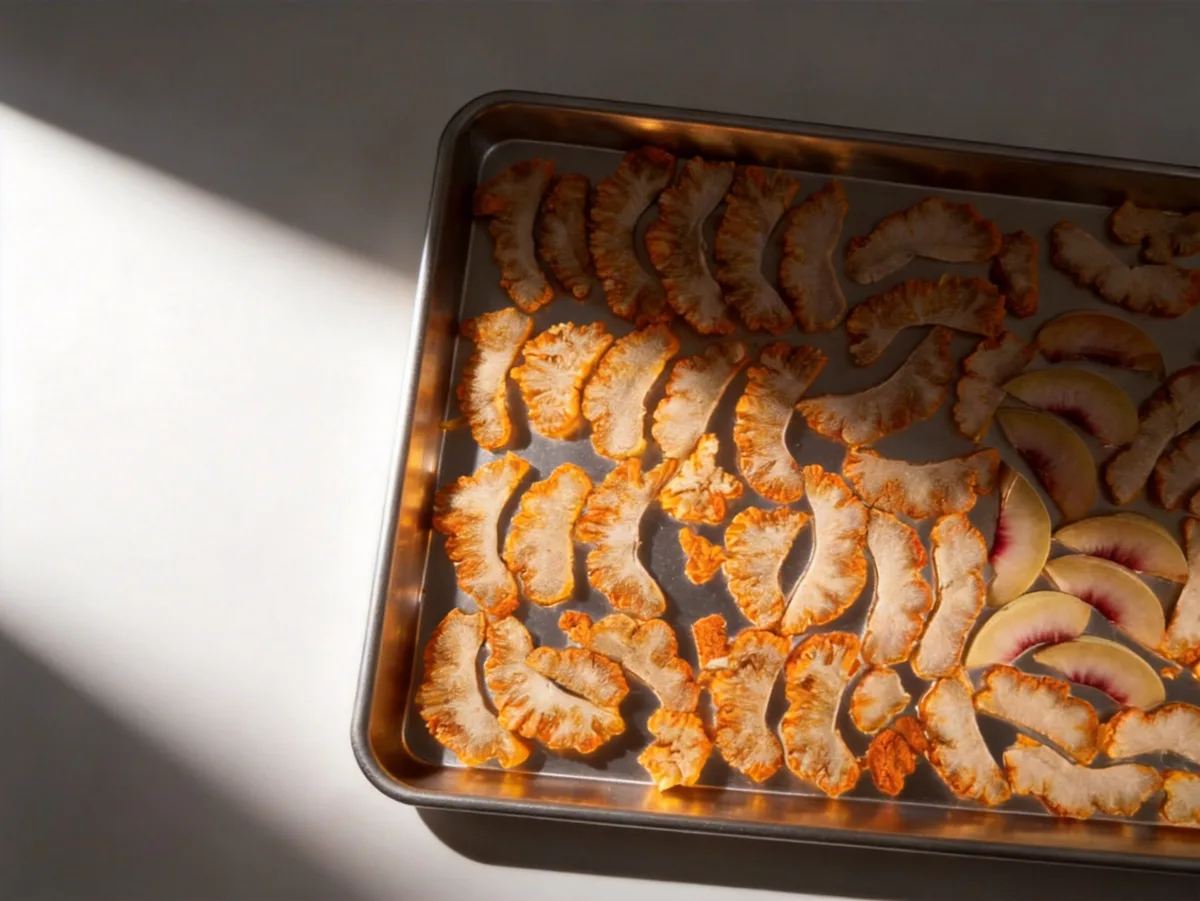
Frozen fruit is the most common off-season option. Fruit is frozen at or near harvest, then supplied through the year, giving a steady supply with more stable quality than out-of-season fresh fruit. The trade-off is that frozen fruit behaves differently — texture, moisture, and handling all change — so settings may need adjusting.
Pre-freezing before vacuum frying is a real but optional variant, used for some products such as strawberries, chips, and fries. It is not a universal or default step, and it is not needed for most fruits. If you use frozen supply, treat it as its own raw material: trial it separately.
Cold storage of fresh fruit
Cold storage extends the fresh season by weeks rather than months. Some fruits, such as apple, store well and can be fried long after harvest. Others, such as mango or strawberry, store poorly and lose quality quickly. Ask your supplier which store well, and for how long, and fry the oldest stock first.
Planning trials around the calendar
A pilot trial is a small production run that tests the fruit, the settings, and the finished product before you commit to a full order. Run it while the fruit is in season, so the trial uses the same raw material as production.
Plan trials in this order:
- Confirm the harvest window with your supplier, and agree the variety, grade, and ripeness standard.
- Run the trial on the equipment you will produce on — the same fryer, cut size, and packing as production.
- Record the settings that worked: frying temperature, vacuum level, frying time, and the de-oiling step. On a QS vacuum fryer, a Delta PLC with an MCGS touchscreen controls and displays the settings, so the same cycle is easy to repeat.
- Keep a retained sample from the approved trial as the physical reference for production.
- Decide before the season ends: approve the product, agree the volume, and book the fruit while it is still available.
Allow time for more than one trial round: the first often shows what needs adjusting, and a second confirms the fix. QS vacuum fryers carry a 1-year warranty and have an approximate 3-month lead time, so order in winter for the spring season.
Storage and handling between harvest and frying
What happens between harvest and frying matters as much as the frying itself. Fruit ripens, softens, and loses moisture from the moment it is picked. Handle it well and it arrives at the fryer in good condition; handle it badly and no setting will fix it.
- Move fruit quickly: the shorter the time between harvest and frying, the better.
- Keep it cool and dry: heat and damp speed up ripening and spoilage. Store fruit in shade or a cool room, off wet floors.
- Handle it gently: bruised fruit fries unevenly and can darken. Reject fruit that arrives bruised or damaged.
- Sort before slicing: remove fruit that is underripe, overripe, or damaged first.
- Slice evenly: even slices fry evenly. Check thickness regularly, and reset the cutter when it drifts.
Blanching is often misunderstood. It is standard for potato chips and fries, and strongly recommended for root vegetables, but it is usually not done for delicate fruits such as strawberry and mango. Do not add a blanching step because another product uses one.
Buyer checklist
Use this checklist when you plan a season of vacuum fried fruit:
- Have you confirmed the harvest window for each fruit with your supplier in your region?
- Is your variety, grade, and ripeness standard agreed in writing with the supplier?
- Do you have a year-round anchor fruit, such as banana, plus seasonal fruits to rotate?
- Is your off-season supply arranged — frozen fruit or cold storage — and trialled?
- Are your pilot trials scheduled inside the harvest season, with time for a second round?
- Is your fryer capacity matched to the harvest volume — QS-VF100 100KG, QS-VF150 150KG, or QS-300 300KG per batch?
- Is your equipment ordered in time for the approximate 3-month lead time?
- Are your storage, sorting, and slicing steps written down?
- Do you have a fallback supplier or fruit if the harvest is short or delayed?
A seasonal plan is not a fixed promise — harvests shift and weather changes. Its value is a starting point and a decision made in advance, not in a hurry.
Frequently asked questions
Which fruits are best for vacuum frying in each season?
It depends on the harvest season in your sourcing region. As broad regional guidance, summer is the main window for mango, pineapple, jackfruit, and durian; banana is available most of the year in tropical regions; apple is a typical autumn fruit; and strawberry is a spring fruit in many regions. Confirm exact harvest windows with your supplier in your region.
Can I vacuum fry fruit out of season?
Yes. Off-season production usually relies on frozen fruit supply or cold-stored fruit, and the frying itself is unchanged: vacuum frying still runs at 80–100°C, with finished snacks known for an oil content below 18%. Frozen fruit is the most common option, but it behaves differently from fresh fruit, so trial it before committing to a production run.
Should I buy fruit at peak season for vacuum frying?
Buying at peak season is usually the best time to source: fruit is at its best quality and ripeness, supply is widest, and buying pressure is at its lowest. Peak-season fruit also fries more consistently, because ripeness is more uniform. Plan your largest production runs around the harvest window.
How far ahead should I plan a vacuum frying trial?
Start planning at least one harvest season ahead. Confirm the harvest window with your supplier, then run a pilot trial while the fruit is in season, so the trial reflects the real raw material. If you are also ordering equipment, allow for the approximate 3-month lead time on a QS vacuum fryer — QS-VF100 100KG, QS-VF150 150KG, or QS-300 300KG per batch.
Plan your vacuum fried fruit line
Tell us your fruits and target output — we will help you size the fryer. See the range on our vacuum fryer page.
Specifications are for reference only and are subject to the final supplied equipment.