Why sweet potato and taro suit vacuum frying
Sweet potato and taro sit at the opposite end of the snack spectrum from banana and jackfruit. Where fruit chips are built on sugar, root vegetable chips are built on starch — and that difference makes them some of the most forgiving products a vacuum fryer can run.
Starch gelatinizes and then sets into a rigid, glassy structure as moisture leaves. That is the physics of a good crisp: a firm bite that shatters rather than bends. Root vegetables also carry less sugar than tropical fruit, so they brown less aggressively under heat — meaning the low frying temperature of vacuum frying preserves their natural colors beautifully: the bright orange of sweet potato, the creamy white of taro, the purple of purple-fleshed varieties.
The market logic is equally strong. Root vegetable chips are a familiar, trusted snack format across Asia, the Middle East and Latin America — no consumer education needed — while vacuum frying gives them a cleaner label story (low oil, preserved color, no dark fried edge) that conventionally fried versions cannot match. Our snack ideas guide lists more products in the same category.
Raw material: variety, maturity and grading
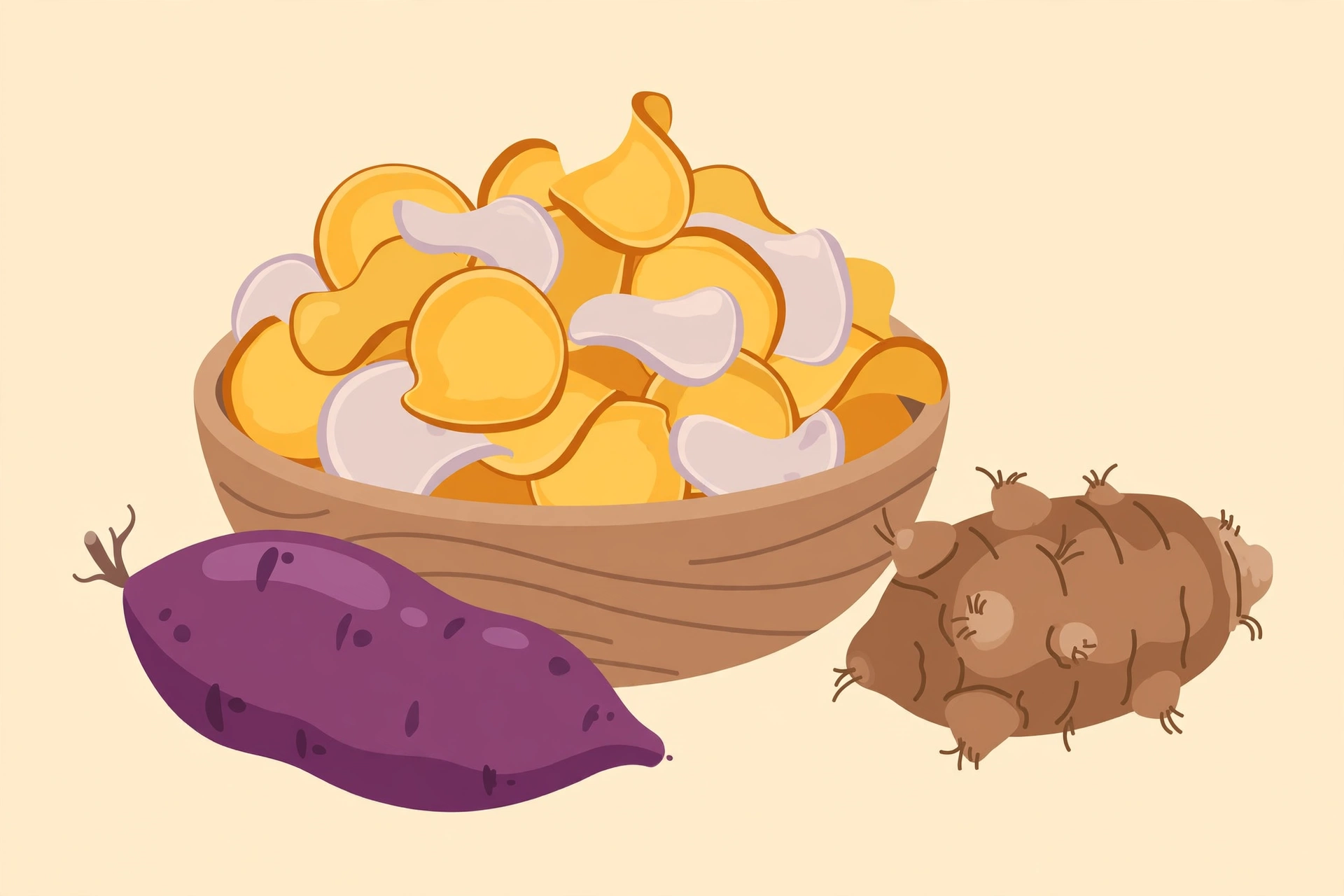
Root vegetable chips punish poor raw material more than any frying trick can fix. Three rules decide the starting quality.
Choose high dry-matter varieties
Not all sweet potatoes fry the same. Varieties with high dry matter (dense, starchy flesh) lose less water during frying, crisp faster, and absorb less oil than watery varieties. Watery roots take longer to dry, stay chewy in the center, and end up greasier. Work with your suppliers to lock in specific varieties and test each new harvest — the same variety name can perform differently across seasons and regions.
Grade for size, firmness and defects
Uniform roots give uniform slices. Reject soft, sprouted, bruised or insect-damaged roots — defects do not disappear in the fryer; they become dark spots and off-flavors. Grade incoming roots by diameter so the slicer produces even rounds, and store roots cool and dry between delivery and processing (never in the sun, where sweet potato converts starch to sugar and fries darker).
Wash, peel and trim
Root vegetables come out of the ground: wash them thoroughly, peel cleanly, and trim any fibrous ends or eyes. Residual soil in the frying oil is a fast way to degrade oil quality; peel fragments become burnt specks on the finished chip. Taro in particular should be handled with gloves during peeling — its raw flesh can irritate skin.
Slice thickness and pre-treatment
Thickness is the master variable for root vegetable chips. Thin, uniform slices release vapor quickly and fry evenly; thick or mixed-thickness batches leave wet centers while the outside overcooks. Uniformity matters more than any absolute number: hold one fixed slicer setting and check it during the run, because a drifting blade setting is the quietest cause of an uneven batch.
Rinse off the surface starch
Freshly cut slices carry loose starch on their surfaces. A brief rinse in clean water removes it — otherwise the loose starch gelatinizes into a gummy film that makes slices stick together and darkens in the oil. Drain well after rinsing; the slices should enter pre-treatment damp, not dripping.
Blanch to set the surface
A short hot-water or steam blanch is the standard pre-treatment for root vegetable chips. It does three jobs: it gelatinizes the surface starch (which fries into a crisper, more even crust), it inactivates browning enzymes (keeping taro bright and sweet potato golden), and it firms the slice so thin pieces survive loading and frying without deforming. Keep the blanch short and consistent — over-blanching waterlogs the slice and extends frying time.
Optional: brief soak for taro
Some producers give taro slices a short soak in clean water before blanching to even out the surface and reduce discoloration. If you try it, keep soak time fixed and short — long soaking leaches starch from the slice and weakens the final crisp.
Vacuum frying root vegetable chips at 80–100 °C
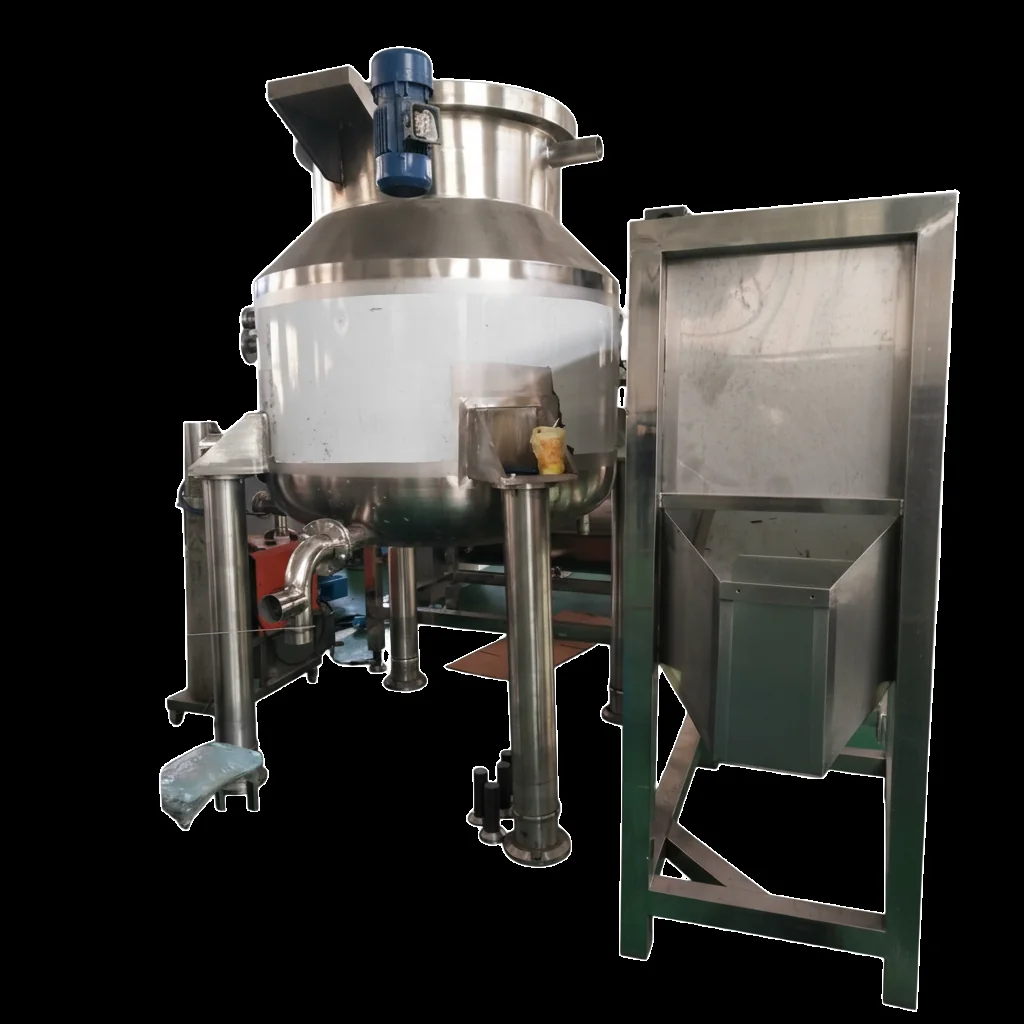
Conventional deep frying runs at roughly 170 °C. At that temperature, even low-sugar root vegetables pick up a dark edge and fried-oil notes, and delicate colors (purple sweet potato especially) fade. Vacuum frying changes the physics: by lowering the pressure inside the vessel, water boils off the slices at 80–100 °C instead.
At 80–100 °C, the starch sets into its crisp structure without the aggressive browning that high heat forces — sweet potato fries to its natural orange, taro stays creamy white, and neither picks up the bitter edge that scorched sugars and overheated oil produce. The frying oil itself is stressed far less at half the temperature, which extends its usable life substantially.
The second half of the low-oil story is what happens after frying. The vessel spins the crisps in a centrifuge while still under vacuum, flinging surface oil off before re-pressurization. This is how vacuum fried root vegetable chips achieve oil content below 18% — a figure buyers increasingly ask for by name. Our de-oiling guide explains why the vacuum timing is non-negotiable.
Seasoning and finishing
Season after frying and de-oiling — never before. Seasonings added before the batch burn in the oil, contaminate it for the next cycle, and distribute unevenly on wet surfaces. The correct moment is right after de-oiling, while the crisps are still warm and completely dry:
- Fine salt and spice powders adhere well to warm, dry surfaces. Use fine grinds — coarse flakes fall off in the bag.
- A light oil mist (a fine spray of fresh oil) helps heavier coatings stick, but use it sparingly — it adds back some of the oil the de-oiling step just removed.
- Sweet potato takes seasoning aggressively — its porous surface grabs flavor, so start light and validate. Taro is milder — it carries delicate flavors (sea salt, light herbs) without being overwhelmed.
- Cool before packing. Packing warm crisps traps condensation inside the pouch — the fastest route to soft chips. Cool to room temperature in a dry area first.
From pilot batch to industrial production
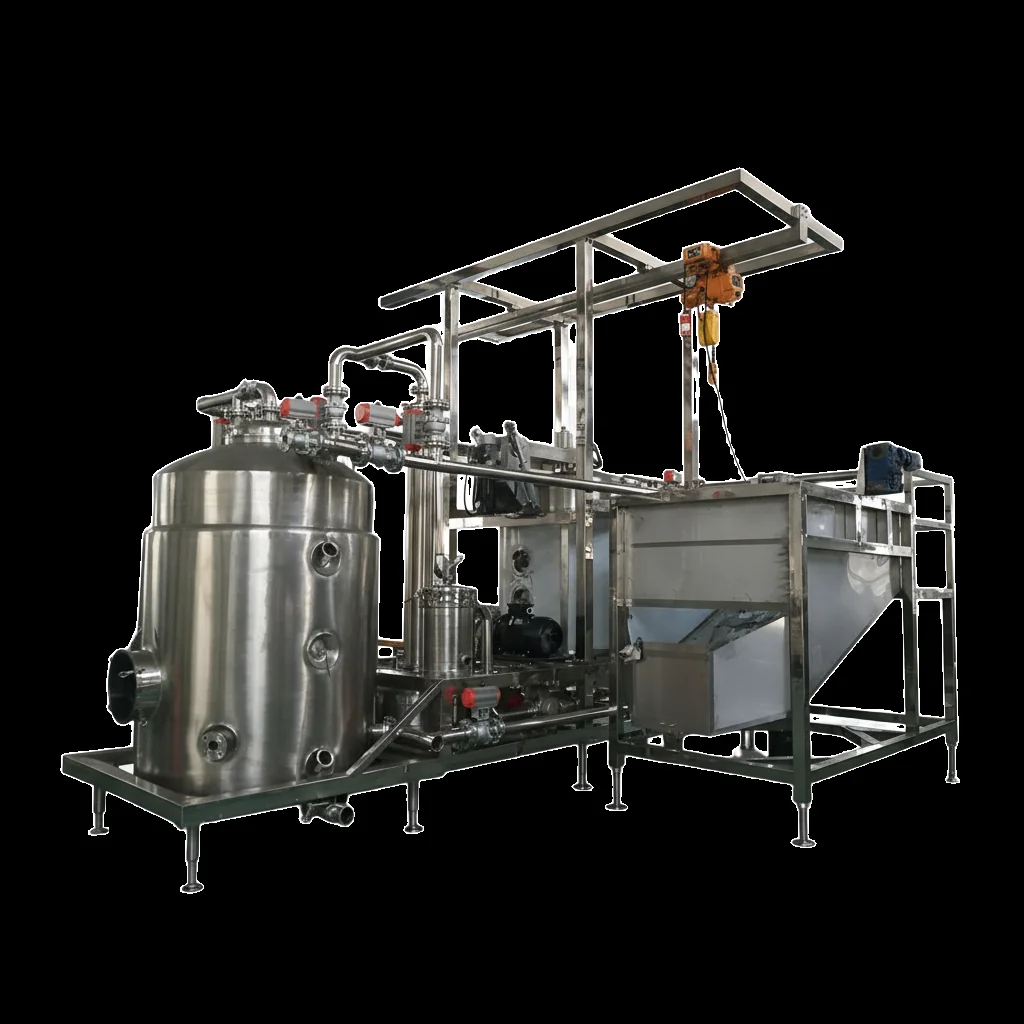
Root vegetable recipes validated at pilot scale carry straight through to production — the process does not change, only the vessel does. The QS vacuum fryer line scales in three batch sizes:
QS vacuum fryer batch sizes
- QS-VF100: 100 kg per batch — pilot lines, recipe development and specialty producers.
- QS-VF150: 150 kg per batch — growing brands stepping up from pilot.
- QS-300: 300 kg per batch — established processors with committed volume. Vessel 2600 mm (H) × 1600 mm (D).
All three run on a Delta PLC with an MCGS touchscreen for recipe-driven, repeatable cycles — once the sweet potato or taro recipe is dialed in, the operator selects it and the machine repeats it. Machines ship on approximately a 3-month lead time with a 1-year warranty.
For mixed root-vegetable producers, one practical note: the fryer is equipment-neutral on varieties — orange sweet potato in the morning, taro in the afternoon; the difference is the recipe and the pre-treatment, not the machine. But validate each variety separately at pilot scale before scheduling mixed production weeks.
Frequently asked questions
Can sweet potato and taro be fried in the same batch?
They can share a recipe structure, but running them together is risky. Sweet potato and taro differ in density, starch behavior and sugar content, so they reach crispness at different rates. Run them in separate batches until you have validated a combined recipe on pilot scale.
Why do my sweet potato chips curl during vacuum frying?
Curling comes from uneven moisture release across the slice — usually slices cut too thin on one side, or raw material with uneven density. Cut with uniform thickness, choose firm roots of even size, and blanch briefly to set the surface starch before frying.
Why are my taro chips uneven in color?
Uneven color in taro usually means mixed raw material: roots of different maturity, or pieces with different thickness in the same batch. Grade the roots by size and maturity before slicing, keep thickness uniform, and blanch to even out the surface before frying.
What oil content can vacuum fried root vegetable chips reach?
With in-vessel centrifugal de-oiling performed under vacuum before re-pressurization, vacuum fried crisps typically reach oil content below 18%. Root vegetables carry less sugar than fruit, so they fry cleanly at low temperature and de-oil well — but the batch must still be de-oiled while under vacuum, before air re-enters the vessel.
Should seasoning be applied before or after vacuum frying?
After — season the crisps right after de-oiling, while they are still warm and dry. Seasoning before frying burns in the oil, contaminates it, and distributes unevenly. A light oil mist after de-oiling helps fine salt and spice powders adhere.
Making root vegetable chips with vacuum frying?
Tell us your root, variety and target texture — we'll help you match it to the right vacuum fryer. See the full range on our vacuum fryer page.
Specifications are for reference only and are subject to the final supplied equipment.