Buying & capacity questions
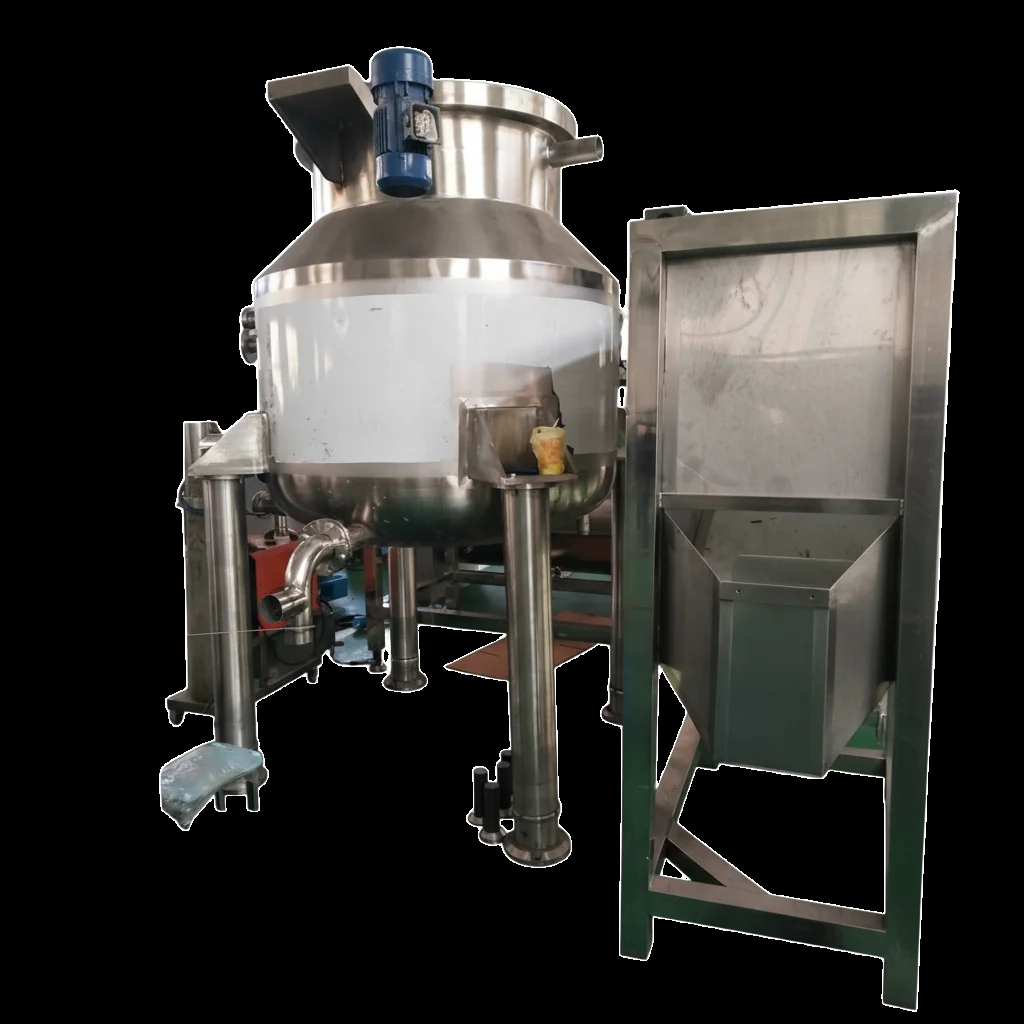
How do I choose between a 100KG, 150KG, and 300KG vacuum fryer?
Start from your daily output target and work backward. Real daily output = batches per shift × batch size, and batch size is rated on finished-product weight — not the fresh weight you load, since frying drives off most of the water. As a rough map: the QS-VF100 (100 KG/batch) suits market testing, recipe development, and small snack lines; the QS-VF150 (150 KG/batch) fits steady mid-volume production; the QS-300 (300 KG/batch) serves high-volume operations and contract manufacturing. The most common sizing mistake is buying batch size without counting how many batches your crew can actually turn per day — frying, de-oiling, draining, unloading, and cleaning all consume shift time. Size the labor and the machine together. Our vacuum fryer sizing guide walks through the full calculation.
What drives the cost of an industrial vacuum fryer?
Batch capacity is the largest driver — vessel size, centrifuge rating, and oil volume scale together. After that: the vacuum pump package, the heating and oil-circuit configuration, the centrifuge de-oiling system (capacity and drive), automation and control level, installation scope, and ongoing running costs — edible oil is the largest recurring input, followed by energy and maintenance parts. When comparing quotes, hold the duty point constant: same product, same batch weight, same target final moisture. Two quotes for "a vacuum fryer" with different duty points are not comparable. We discuss cost structure only — never invented prices.
What is the typical lead time from order to production?
For industrial-class batch vacuum fryers, expect roughly a 3-month lead time from order confirmation to delivery, plus sea-freight shipping and on-site installation and commissioning. Plan your raw-material contracts, oil supply, and facility works against that timeline, not against the day you sign. Specifications are for reference only and are subject to the final supplied equipment.
Batch vs continuous: which do I need?
Batch vacuum fryers are single-vessel machines that run one load at a time — flexible across products, simpler to install, and the standard choice for 100–300 KG/batch class snack production. Continuous fryers move product on a conveyor through a long oil bath and suit very high, single-product throughput. Unless you are running one product around the clock at tonnage scale, batch is the right answer for most vacuum-fried snack businesses. The batch vs continuous comparison lays out throughput, flexibility, and investment side by side.
Process & product questions
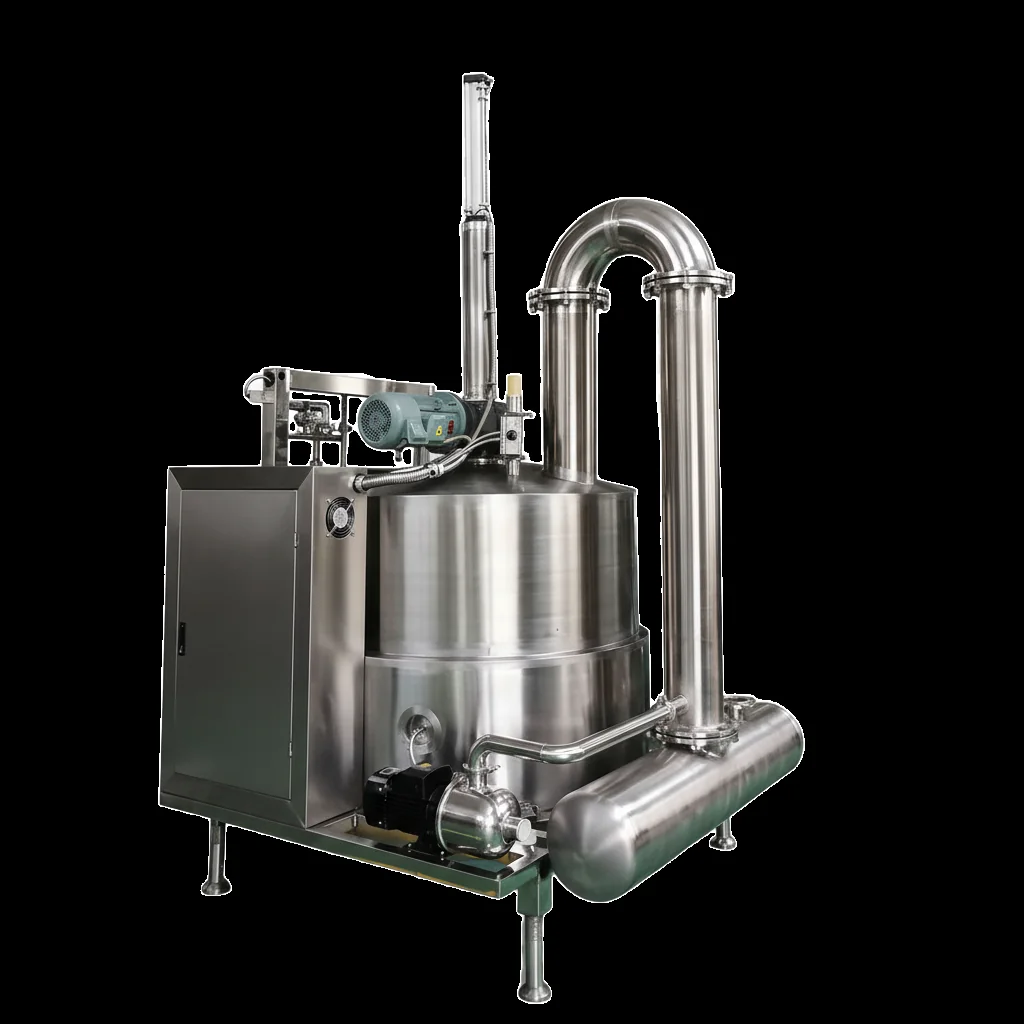
How does vacuum frying actually work?
Under vacuum, water boils at a much lower temperature — so food fries at roughly 80–100 °C instead of 160–190 °C. A batch runs through five stages: loading, vacuum pull-down, frying in hot oil, centrifuge de-oiling (the basket spins while still under vacuum to throw off surface oil), and oil drain + vacuum release (oil drained before air re-enters, so the product doesn't soak it back up). Frying itself takes tens of minutes per batch; loading, de-oiling, and drain complete the cycle. See the vacuum frying explainer for detail.
What snacks can be vacuum fried?
Products with high moisture and delicate structure benefit most, because low-temperature frying preserves color and keeps oil absorption low: fruit and vegetable chips (sweet potato, banana, jackfruit, durian, okra, mushroom), peanuts and broad beans, french fries, fried fish and shrimp, and specialty items. A useful rule: if deep frying it would darken the color or leave it greasy, vacuum frying is probably the better process. Products that need a coated or battered crust, by contrast, are generally better suited to air-frying lines. The product ideas guide maps the full range, and the vacuum frying vs air frying comparison shows where each technology wins.
How is vacuum frying different from deep frying?
Three differences matter: temperature (80–100 °C vs 160–190 °C), oil content (the vacuum centrifuge de-oils the product before air re-enters, so surface oil stays low), and product quality (natural color and shape survive, with a light crisp texture rather than a heavy fried crust). The trade-off is batch time and equipment complexity — vacuum frying is slower per kilo and the machine has more systems to maintain. Side-by-side detail in vacuum frying vs deep frying.
Installation & operation questions
What does a vacuum fryer need on site?
- Power: a stable three-phase supply sized for the heaters, vacuum pumps, and centrifuge drive — confirm against the supplier's data sheet, not a rule of thumb.
- Space: the vessel footprint plus room for the oil tank circuit, raw-material staging on one side, product discharge on the other, and clearances for the lid/hoist mechanism.
- Oil logistics: food-grade oil receiving and storage, plus a plan for used-oil removal — a running fryer consumes oil continuously through absorption and top-ups.
- Ventilation: extraction for oil vapor and heat around the vessel, and drainage for washdown.
- Delivery route: the vessel and frame are the largest single pieces — check door widths and floor loading before the truck arrives.
Full detail in the installation & operation guide.
How many operators does it take?
One to two per shift for a single batch fryer: loading and unloading are the labor peaks — baskets must be filled, the vessel closed and opened on schedule, and product discharged while the next batch stages. During the frying cycle the controls run the recipe; the operator monitors pressure and temperature trends and stages the next load.
Maintenance & troubleshooting questions
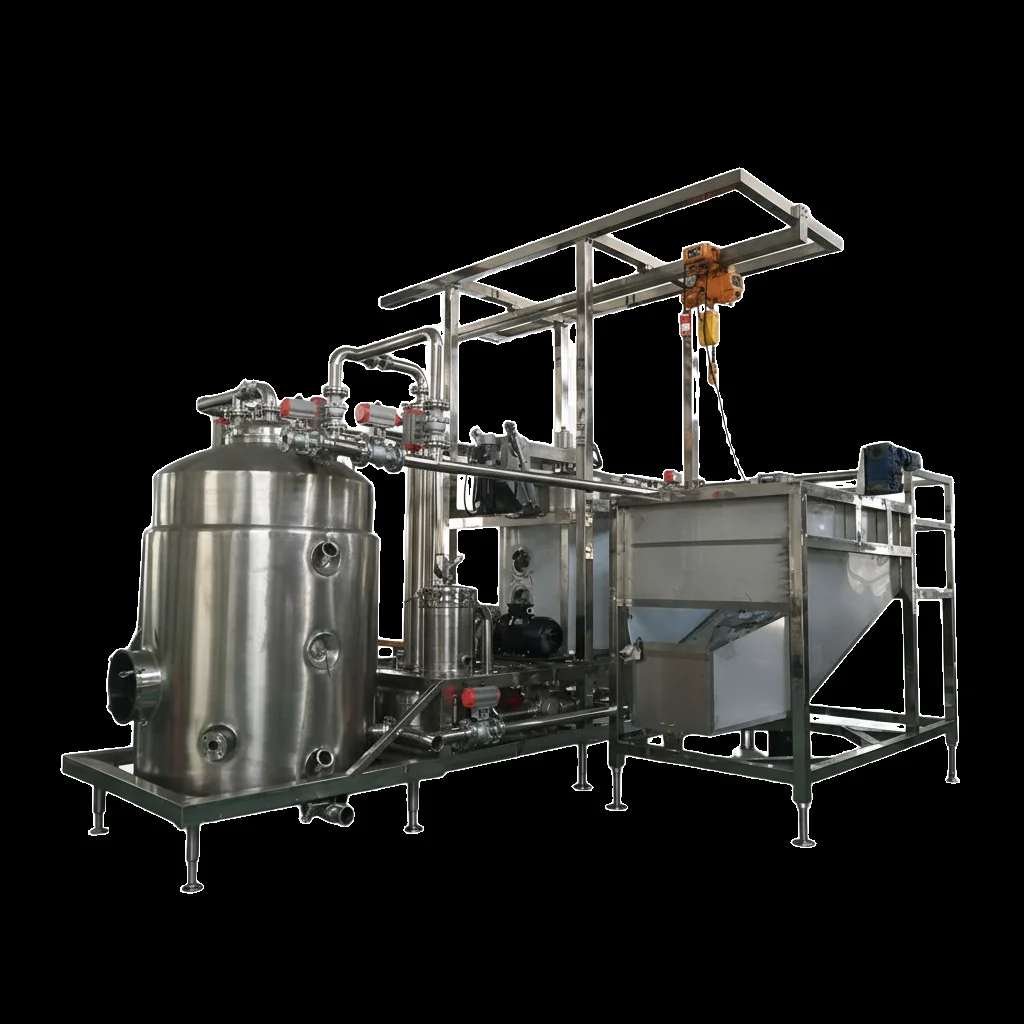
What maintenance does a vacuum fryer need?
Five systems carry the maintenance load: vacuum integrity (door seals, gasket faces, pump oil — vacuum faults are the #1 cause of bad batches), oil circuit (filtration, level control, piping joints), heating (element condition, temperature sensor calibration), centrifuge (balance, bearings, drive), and controls (pressure and temperature sensors, interlocks). The rhythm is: daily seal and oil checks, per-cycle oil filtration, weekly element and pump inspections, annual deep service. The maintenance guide lists tasks by interval.
What are the most common problems, and how are they fixed?
The short list: vacuum not reaching target (door seal wear, gasket damage, pump oil overdue, piping leak — check seals first), soggy or oily product (centrifuge skipped or too short, oil drained too slowly, vacuum released before oil drain, overloading), dark or off-flavor product (oil degraded — filtration skipped or replacement overdue; oil temperature drifting), uneven frying (overloaded basket, product pieces too thick or unevenly sized), and control alarms (sensor drift — fixed by calibration). Almost every one traces to seals, oil, or loading. Oil quality is the #1 product-quality lever: filter every cycle and replace oil on a schedule, never when it "looks bad".
Product quality & food safety questions
Is vacuum-fried food healthier than deep-fried?
It is lower in oil and exposed to less heat damage — frying at 80–100 °C instead of 160–190 °C means less thermal degradation, and centrifuge de-oiling under vacuum leaves less surface oil. Beyond that, "healthy" depends on the product, the oil, and the diet — we make equipment, not health claims. Focus on what is measurable: oil content, color retention, texture, and shelf life.
How long do vacuum-fried snacks keep?
With low final moisture and proper de-oiling, packed promptly in moisture-proof barrier packaging, vacuum-fried snacks keep for months — but the exact number depends on product, oil quality, packaging barrier, and storage. Fry to a consistent low moisture, and pack quickly after discharge so the crisp product doesn't pick up ambient moisture.
Does vacuum frying make food safe? What about bacteria?
Hot oil is a kill step for vegetative bacteria — but food safety still comes from the whole chain: clean raw material, controlled oil quality (degraded oil is a quality and safety problem), hygienic post-frying handling, and barrier packaging. We discuss process control points as general knowledge and do not claim certifications we don't hold.
Quick reference: QS batch vacuum fryer classes
| Model | Batch size | Notes |
|---|---|---|
| QS-VF100 | 100 KG/batch | Entry class: market testing, small lines |
| QS-VF150 | 150 KG/batch | Mid-volume production |
| QS-300 | 300 KG/batch | High-volume; vessel 2600 mm (H) × 1600 mm (D) |
Batch vacuum frying at 80–100 °C with centrifuge de-oiling under vacuum. Specifications are for reference only and are subject to the final supplied equipment.
Frequently asked questions
How do I choose between a 100KG, 150KG, and 300KG vacuum fryer?
Work from your daily output target: batches per shift × batch size = daily capacity, rated on finished-product weight. 100KG/batch suits market testing and small lines, 150KG/batch fits steady mid-volume production, 300KG/batch serves high-volume operations. Size the labor and the machine together — the crew's batch-turning pace sets real output.
How does vacuum frying actually work?
Under vacuum, water boils at lower temperature, so food fries at 80–100 °C. The batch sequence: load → pull vacuum → fry in hot oil → centrifuge de-oil under vacuum → drain oil → break vacuum → discharge. Frying takes tens of minutes per batch; loading, de-oiling, and drain complete the cycle.
What snacks can be vacuum fried?
Fruit and vegetable chips, peanuts and broad beans, french fries, fried fish and shrimp, and specialty snacks. High-moisture, delicate products benefit most; coated or battered products generally suit air-frying lines better.
What drives the cost of a vacuum fryer?
Batch capacity first (vessel, centrifuge, oil volume scale together), then vacuum pumps, heating and oil circuit, centrifuge system, automation level, installation scope, and running costs — oil, energy, maintenance. Compare quotes on identical duty points.
What maintenance does a vacuum fryer need?
Daily seal and oil checks, per-cycle oil filtration, weekly heater and pump inspections, annual deep service. Oil quality is the #1 quality lever: filter every cycle and replace on a schedule, not when it looks bad.
What is the lead time from order to production?
For industrial-class batch vacuum fryers, expect roughly a 3-month lead time from order confirmation to delivery, plus sea-freight shipping and on-site installation and commissioning. Plan raw-material supply and facility works against that timeline.
Still have a question we didn't answer?
Tell us your product and target output — we'll answer directly and point you to the right capacity class.
Specifications are for reference only and are subject to the final supplied equipment.